
Research finds personal care product chemicals influence hormones during pregnancy
New Jersey [US], December 12 (ANI): The use of certain personal care products during pregnancy may impact maternal hormone levels, according to a new study by Rutgers University.
ANI
Dec 12, 2021 22:30 IST

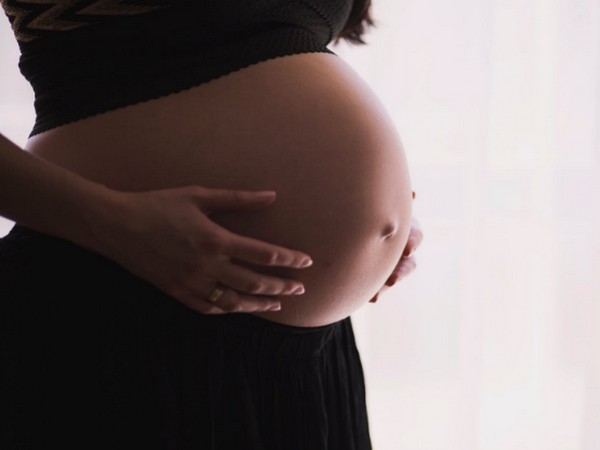
New Jersey [US], December 12 (ANI): The use of certain personal care products during pregnancy may impact maternal hormone levels, according to a new study by Rutgers University.
The research has been published in the 'Environmental Research Journal'.
Personal care and beauty products contain several ingredients that often include a wide range of endocrine-disrupting chemicals like phthalates, parabens, phenols, and toxic metals. These chemicals interact with hormone systems, influencing synthesis, regulation, transport, metabolism and hormone reception, which are all especially vulnerable during pregnancy.
The National Institute of Environmental Health Sciences and National Institutes of Health-funded study examined the association between personal care product use and the levels of sex steroid hormones, including estrogens and progesterone and thyroid hormones among pregnant women. The researchers also explored how demographic factors impacted the use of certain personal care products.
Researchers collected blood samples from 1,070 pregnant women between 18 and 40 years of age enrolled in the Puerto Rico PROTECT Cohort, an ongoing prospective birth study designed to examine environmental exposures in pregnant women and their children who live in the northern karst zone of Puerto Rico.
As part of the study, participants underwent physical exams and completed a series of questionnaires providing their demographics, occupation, lifestyle and use of personal care products like fragrances, lotions, cosmetics, nail polish, shaving cream, mouthwash, shampoo and other hair products, such as bleach, relaxers and mousse. Participants also provided blood samples twice throughout their pregnancies, which were analyzed for nine sex steroid and thyroid hormones.
The researchers found that the use of hair products, particularly hair dyes, bleach, relaxers and mousse are associated with lower levels of sex steroid hormones, which have a critical role in maintaining pregnancy and foetal development. Disruptions of these hormones may contribute to adverse maternal and pregnancy outcomes like growth restriction, preterm birth and low birth weight.
"Alterations in hormone levels, especially during pregnancy, can have vast consequences beyond health at birth including changes in infant and child growth, pubertal trajectories and may influence the development of hormone-sensitive cancers such as breast, uterine and ovarian cancer," said the study's lead author, Zorimar Rivera-Nunez, an assistant professor at the Rutgers School of Public Health.
"Additional research should address the public health impact of exposure to chemicals in hair products in pregnant populations," Rivera-Nunez added.
The researchers also found that socioeconomic variables, such as income, education and employment status, influenced the use of personal care products among pregnant women in Puerto Rico. For example, participants who reported a household income greater than USD 100,000 used personal care products more often than participants with lower household incomes. Additionally, employed participants reported using more cosmetics than those who were unemployed.
"Prior research has shown that non-pregnant populations have also reported associations between frequency of use and socioeconomic markers, such as household income and education," Rivera-Nunez said.
"A strong culture of beauty influences Latina women, which may impact consistent use of cosmetics through pregnancy. This data is important because it will allow us to identify populations who are at an increased risk of chemical exposures associated with personal care product use," Rivera-Nunez explained.
The researchers, who included individuals from the Rutgers Environmental and Occupational Health Sciences Institute, University of Michigan, University of Puerto Rico, University of Georgia and Northeastern University, recommended that primary physicians and obstetricians should speak to reproductive-age women about the potential health impact of endocrine-disrupting chemicals, like those found in hair products. (ANI)
Get the App


