 हिंदी खबर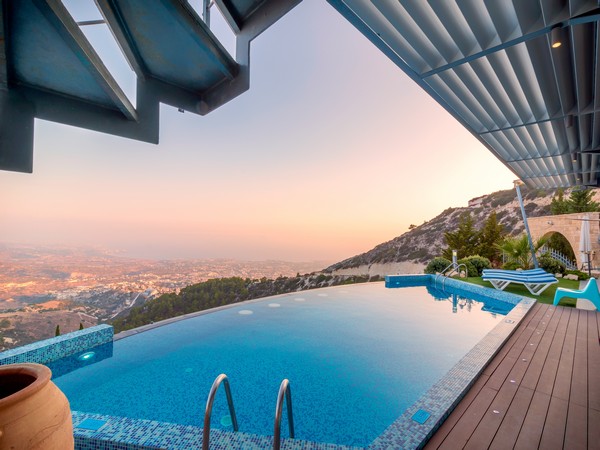

Washington [US], April 11 (ANI): Wealthy elites with huge swimming pools and well-kept lawns are leaving underprivileged people in cities throughout the world without basic access to water.
According to new study, societal inequalities drive urban water issues more than environmental factors like climate change or urban population increase.
The study, published in the journal Nature Sustainability, found that urban elites overconsume water for their own personal leisure, such as filling their swimming pools, watering their gardens or washing their cars.
The research team focused on Cape Town, South Africa, where an urban water crisis means many underprivileged people live without taps or toilets and use their limited water for drinking and hygiene.
They also highlighted similar issues in 80 cities worldwide, including London, Miami, Barcelona, Beijing, Tokyo, Melbourne, Istanbul, Cairo, Moscow, Bangalore, Chennai, Jakarta, Sydney, Maputo, Harare, Sao Paulo, Mexico City and Rome.
Professor Hannah Cloke, a hydrologist at the University of Reading who co-authored the study, said: "Climate change and population growth mean that water is becoming a more precious resource in big cities, but we have shown that social inequality is the biggest problem for poorer people getting access to water for their everyday needs."
"More than 80 big cities worldwide have suffered from water shortages due to droughts and unsustainable water use over the past 20 years, but our projections show this crisis could get worse still as the gap between the rich and the poor widens in many parts of the world," she added.
"This shows the close links between social, economic and environmental inequality. Ultimately, everyone will suffer the consequences unless we develop fairer ways to share water in cities," she said.
'Insufficient' water management
The research, led by Dr Elisa Savelli at Uppsala University, Sweden, alongside co-authors from the University of Reading, UK, Vrije Universiteit Amsterdam, Netherlands, and the University of Manchester, UK, used a model to analyse the domestic water use of urban residents in Cape Town to understand how different social classes consume water.
They identified five social groups, ranging from 'elite' (people who live in spacious homes with large gardens and swimming pools) to 'informal dwellers' (people who tend to live in shacks at the edge of the city).
Elite and upper-middle-income households make up less than 14% of Cape Town's population but use more than half (51%) of the water consumed by the entire city. Informal households and lower-income households account for 62% of the city's population, but consume just 27% of Cape Town's water.
Currently, the researchers highlight that efforts to manage water supplies in water-scarce cities mostly focus on technical solutions, such as developing more efficient water infrastructure. These reactive strategies, which focus on maintaining and increasing water supply, are insufficient and counterproductive, the research team suggest. Instead, a more proactive approach, aimed at reducing unsustainable water consumption among elites, would be more effective, they suggest. (ANI)


