
Study finds pictorial warning on sodas may help fight obesity among kids
North Carolina [US], February 5 (ANI): A study has examined if warnings on innocent looking soda bottles make people stay away from them.
ANI
Feb 05, 2022 23:36 IST

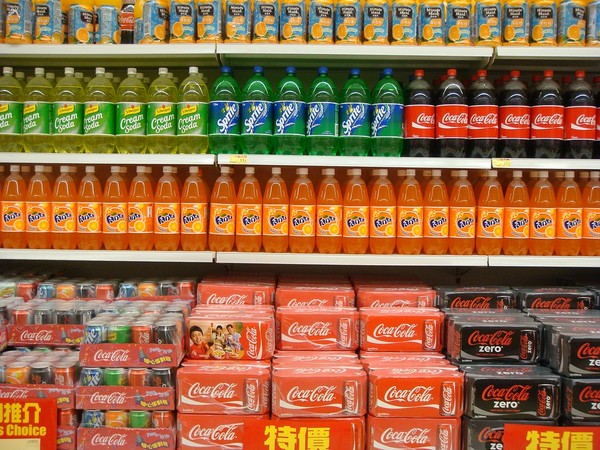
North Carolina [US], February 5 (ANI): A study has examined if warnings on innocent looking soda bottles make people stay away from them.
The study, published in the journal 'PLOS Medicine', was the first to examine in a realistic setting whether pictorial health warnings on sugary drinks -- like juice and soda -- influenced which beverages parents bought for their children.
The findings were promising: The warnings reduced parental purchases of sugary drinks for their kids by 17 per cent.
Researchers at the University of North Carolina at Chapel Hill's Gillings School of Global Public Health ran the study in a unique laboratory -- the "UNC Mini Mart." The space was set up to mimic a convenience store shopping experience.
"We created this store because we saw a major need for research that tests the impact of policies in a food store setting that is much more realistic. When people make choices about what food to buy, they are juggling dozens of factors like taste, cost, and advertising and are looking at many products at once," says senior author Lindsey Smith Taillie, PhD, assistant professor in the Department of Nutrition at the Gillings School and a member of UNC's Carolina Population Center (CPC).
"Showing that warnings can cut through the noise of everything else that's happening in a food store is powerful evidence that they would help reduce sugary drink purchases in the real world," she said.
Taillie's co-authors from the Gillings School are lead author Marissa G. Hall, PhD, assistant professor in Gillings' Department of Health Behavior and a member of both the CPC and UNC's Lineberger Comprehensive Cancer Center (LCCC); and Anna H. Grummon, PhD, an alumna of the Gillings Department of Health Behavior who is now a David. E. Bell Fellow at Harvard University.
Their positive findings of the effects of image-based warning labels highlighted a recent but ever-more-common approach to combatting the global struggle with obesity. Children in the United States and many other countries consume more than the recommended amount of sugary drinks, which increases their risk for obesity and diet-related chronic diseases, including Type 2 diabetes and heart conditions.
There are pronounced disparities by race/ethnicity, with higher rates of sugary drink consumption and obesity among Black and Latino children compared to non-Latino white children, in part due to structural factors like targeted marketing.
Taillie has conducted research on warning labels and taxes on sugar-sweetened beverages and junk food in Chile, Mexico and South Africa. Hall researches the impact of warnings on tobacco and food as well as the effectiveness of obesity prevention policies.
In their study, 326 parents (25 per cent Black, 20 per cent Latino) of children ages 2 to 12 years old participated in a randomized trial with 1) a pictorial warning arm (in which drink labels had images representing heart damage and Type 2 diabetes), and 2) a control arm (in which drinks labels displayed a barcode).
Participants were instructed to choose one drink and one snack for their child, along with one household good -- this shopping list was designed to mask the purpose of the study. After shopping, participants completed a survey about their selections and left with their drink of choice and a cash incentive.
The picture warnings led to a 17 per cent reduction in purchases of sugary drinks, with 45 per cent of parents in the control arm buying a sugary drink for their child compared to 28 per cent in the pictorial warning arm.
The warnings also reduced calories purchased from sugary drinks and led to parents feeling more in control of healthy eating decisions and thinking more about the harms of sugary drinks. The benefits of the picture warnings were similar according to parent characteristics, including race, ethnicity, and socioeconomic status, suggesting picture warnings could work equally well across diverse populations. But larger studies are needed to see how well warnings work for groups at the highest risk of diet-related disease.
"We think the paper could be useful for policymakers in the U.S. and globally," Hall said. "This evidence supports strong, front-of-package warnings to reduce sugary drink consumption in children." (ANI)
Get the App


