Pakistan Tehreek-e-Insaf leader Azam Swati says Imran Khan directed him to hold talks with establishment
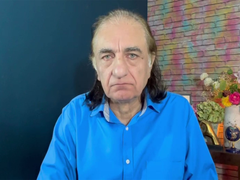
In a video statement, Azam Swati said that Imran Khan had asked him to hold talks with the establishment and directed him to keep the details regarding the discussions confidential.
ANI
Apr 07, 2025 09:55 IST

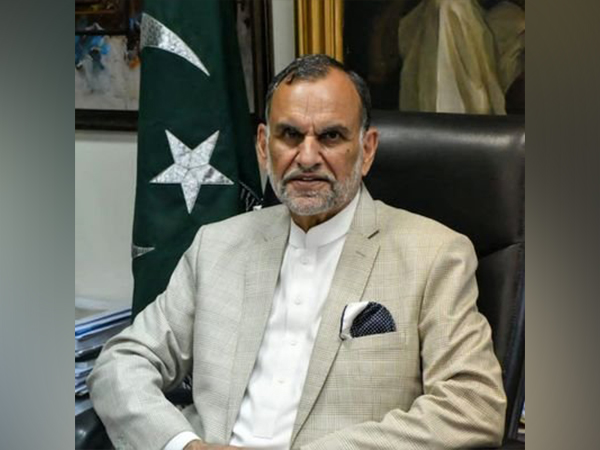
Islamabad [Pakistan], April 7 (ANI): Pakistan Tehreek-e-Insaf (PTI) leader Azam Swati has said that PTI founder Imran Khan directed him to engage with the establishment.
In a video statement, Azam Swati said that Imran Khan had asked him to hold talks with the establishment and directed him to keep the details regarding the discussions confidential.
He said that although Imran Khan has publicly criticised the establishment on social media, behind-the-scenes efforts were being made to hold talks.
Azam Swati said that Imran Khan had asked him to be well-prepared for such discussions, similar to previous instances where sensitive matters had been addressed.
Regarding the postponement of the PTI rally scheduled for August 22, Azam Swati said that the decision had been taken based on the instructions given by the party leadership instead of external influence.
He said that concerns regarding potential violence due to religious protests resulted in a decision to delay the event, stressing that it was a precautionary measure. He even criticised PTI YouTubers based abroad, expressing his frustration over their actions.
Swati urged them to stop spreading false narratives and warned that their actions were only exacerbating the troubles of Pakistan. He urged YouTubers to show more responsibility, stating that they were doing harm by continuing to release misleading content.
Earlier, PTI chairman Barrister Gohar Ali Khan gave instructions to senior leaders after reporters emerged, claiming internal disputes and differences among leaders within the party.
According to reports, Gohar Ali Khan urged central leaders Ali Amin Gandapur, Asad Qaiser, and Taimur Jhagra not to make public statements against each other. He emphasised that party officials should not express their differences in public going forward and that all party matters should be resolved through the proper internal forums.
Earlier in March, Imran Khan strongly reprimanded the current Pakistani government, criticising the mounting challenges faced by the country, particularly in the situation in Balochistan, and its foreign policy.
In a statement on March 25, Khan stated that the situation in Pakistan can only be addressed through "genuinely elected public representatives" rather than force or imposed governance, referring to the alleged rigging of the election and delayed result announcement.
Expressing deep concern over rising terrorism in Balochistan, Khan stated, "How can an illegitimate government imposed on Balochistan possibly resolve any issues? ... The firing of live ammunition on peaceful protesters, state violence and unlawful arrests are equally deeply troubling. It is the fundamental duty of the state to address the grievances of the people of Balochistan.
"The situation in Balochistan cannot improve unless the genuine public representatives are brought into mainstream, their voices are sincerely heard, and the fate of the region is decided in accordance with the will of the people. Sheer force can never resolve this issue. It would rather deepen crisis and fuel further instability," he added.
Imran Khan called the Pakistan Muslim League (Nawaz)-led government a "puppet government" born from "fraudulent elections", accusing it of failing across all fronts, especially in foreign policy.
Khan accused state institutions of fixating on suppressing PTI, controlling media, prisons, and courts, questioning, "Adiala Jail is also being run by a Colonel. What authority does a Colonel have to control a jail?"
He also mentioned the ongoing restrictions imposed on him, stating, "This week, my sisters were also denied a meeting with me. Despite multiple court orders, I am barred from meeting friends, speaking to my children on the phone, or accessing my diary and books." (ANI)
Tags:
Get the App