

ADD ANI AS A TRUSTED SOURCE
googleads
Menu
Asia

Over 200 Afghan migrants return to Afghanistan from Pakistan

According to reports by the head of Spin Boldak refugee department, some 24 families, including 55 people have been released from Karachi prisons, which includes 24 children.

ANI May 02, 2023 15:21 IST googleads

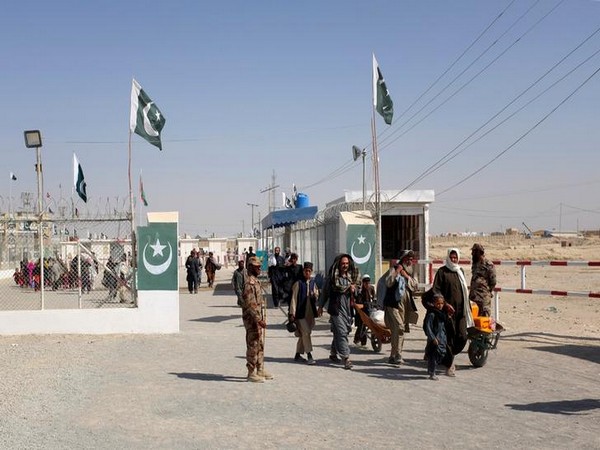
Representative Image

Kabul [Afghanistan], May 2 (ANI): A total of 211 Afghan migrants have returned to Afghanistan from Pakistan through the Spin Boldak crossing point in southern Kandahar province, the Taliban-led Ministry of Refugees and Repatriation announced on Monday, Khaama Press reported.
According to reports by the head of Spin Boldak refugee department, some 24 families, including 55 people have been released from Karachi prisons, which includes 24 children.
Afghanistan's Ministry of Refugees and Repatriation under the Taliban announced earlier in the week that 120 Afghan migrants had been extradited to the country through Spin Boldak border town in southern Kandahar provinces, according to Khaama Press.
The United Nations High Commissioner for Refugees (UNHCR) previously announced that the continuous return of Afghan refugees from neighbouring countries is closely linked to the rising inflation and lack of employment opportunities in the host countries.
This comes as the influx of Afghan refugees increased to the neighbouring countries of Iran and Pakistan after the return of the Taliban to power in August 2021.
Khaama Press reported that the Taliban ministry has in the recent past reported on the return of Afghan citizens from Pakistan and Iran. Some of these refugees have been forcefully deported, and others willingly left the host countries, according to a statement by Taliban officials.
As per the existing reports, currently, more than six million Afghan nationals reside in Iran and Pakistan, respectively, making the highest number of refugees the two countries have been hosting for decades.
Despite all the odds, Pakistan and Iran have generously hosted millions of Afghan refugees for decades to live a peaceful life, work, educate and thrive respectively, according to Khaama Press. (ANI)


Get the App

What to Read Next

Europe

Blasphemy laws in Pakistan target religious minorities: GHRD

Blasphemy laws in Pakistan target religious minorities: GHRD

At the 61st session of the United Nations Human Rights Council, the organisation Global Human Rights Defence (GHRD) raised concerns over the continued misuse of blasphemy laws in Pakistan and their impact on religious minorities.

Read More
Asia

MEA rejects Pakistan’s statement on India-Canada deal

MEA rejects Pakistan’s statement on India-Canada deal

"We reject this statement made by Pakistan on the matter. India's credentials regarding non-proliferation are impeccable and well recognised by the global community. A country with a well-documented history of clandestine nuclear proliferation can hardly preach the virtues of export controls and proliferation risks. Such ludicrous statements are nothing more than an attempt by Pakistan to distract from its own abysmal record," he said.

Read More
Asia

India rejects Pakistan's "baseless allegations"

India rejects Pakistan's

India on Thursday rejected Pakistan's allegations of aggravating skirmishes with Afghanistan, calling them "baseless" and accusing Pakistan of blaming others for its own misdeeds.

Read More
Asia

Policy delays leave Pakistan short of critical medicines

Policy delays leave Pakistan short of critical medicines

Pakistan faces a severe shortage of life-saving medicines, including cancer drugs and vaccines, due to government delays in notifying official prices. While global supply remains stable, regulatory hurdles have stalled legal imports, raising concerns over patient survival and the potential rise of unregulated, counterfeit medicines.

Read More
Asia

Pakistan’s outdated mandi system stifles agricultural innovation

Pakistan’s outdated mandi system stifles agricultural innovation

Pakistan's fruit and vegetable supply remains dominated by traditional middlemen and the "mandi" system, with digital platforms handling only 2-3% of trade. Restrictive provincial laws and lack of infrastructure force farmers into dependency on commission agents, stalling modern technological transformation in the agricultural sector.

Read More
Home About Us Our Products Advertise Contact Us Terms & Condition Privacy Policy

Copyright © aninews.in | All Rights Reserved.


