 हिंदी खबर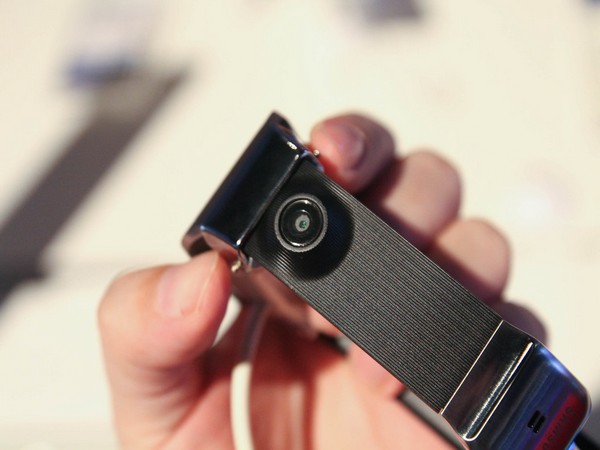

Washington D.C. [USA], Aug 31 (ANI): While wearing cameras on your body might sound like a bizarre idea, but a study says that for heart failure patients, these can aid in bettering their lives.
Minute-by-minute images captured by these little 'eyes' provide valuable data on diet, exercise and medication adherence that can then be used to fine-tune self-management, according to the findings which were presented at ESC Congress 2019.
"The cameras bring more information to health professionals to really understand the lived experience of heart failure patients and their unique challenges," stated first author Susie Cartledge, a registered nurse and dean's postdoctoral research fellow at Deakin University's Institute for Physical Activity and Nutrition, Melbourne, Australia.
Something as seemingly trivial as drinking too much fluid, which cameras can see, can tax an already burdened heart, leading to a potentially deadly hospital stay.
For this study, researchers recruited 30 individuals with advanced (NYHA II-III) heart failure from a Melbourne cardiology practice. Participants' mean age was 73.6, out of which 60 per cent were male.
Patients attached a wide-angle 'narrative clip' to their clothing at about chest height. The cameras, barely two centimetres squared, were worn from morning to night and took still images every 30 seconds.
The images revealed no 'scandalous' behaviour on the part of the participants, said Dr Cartledge, but they did highlight areas for improvement.
Patients in general needed to increase their exercise and reduce sedentary behaviour that was typically associated with screen time. Participants could also generally improve their diets. For example, there was one participant who could cut back on diet sodas, beers at bingo, and cigarettes.
Almost all of the participants (93 per cent) said they were happy wearing the camera (the remaining two were neutral). Some went so far as to report that they were reassured 'someone was watching over them' or that the cameras spurred them to engage in 'good behaviour.'
By the end of the 30-day study period, researchers had a library of more than 600,000 photos which they had to sort through and analyse.
Machine learning techniques grouped the images into four domains: medication management, dietary intake, meal preparation, and physical activity.
This process had mixed results. It was most successful in identifying diet-related photos, an average of 49 per cent of the time, followed by information on meals, average 40 per cent, and physical activity (average 31 per cent).
Drug adherence was the least precise, with an average of only six per cent. This may be because prescriptions come in so many different forms - pill strips, bottles, sprays, and puffers - making them hard to recognise.
"Patients are happy to wear them. We can see the context of the challenges they face," said Dr Cartledge. (ANI)
Wearable cameras can improve life quality of heart patients: Study
ANI | Updated: Aug 31, 2019 20:44 IST


