Study reveals eating more ultra-processed foods is associated with risk of dementia
Washington [US], July 29 (ANI): The risk of acquiring dementia may be higher in people who consume the most ultra-processed foods, such as soft drinks, chips, and cookies, than in those who consume the least of these items.
ANI
Jul 29, 2022 04:12 IST

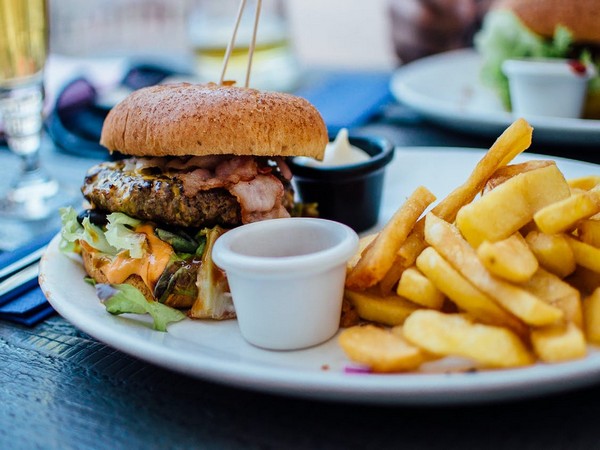
Washington [US], July 29 (ANI): The risk of acquiring dementia may be higher in people who consume the most ultra-processed foods, such as soft drinks, chips, and cookies, than in those who consume the least of these items.
Unprocessed or minimally processed foods were found to be related with a lower risk when ultra-processed foods were substituted in a person's diet, according to researchers. The research did not establish a causal link between ultra-processed meals and dementia. Only an association is shown.
The findings of the new study were published in the online issue of Neurology®, the medical journal of the American Academy of Neurology.
Ultra-processed foods are high in added sugar, fat and salt, and low in protein and fiber. They include soft drinks, salty and sugary snacks, ice cream, sausage, deep-fried chicken, yogurt, canned baked beans and tomatoes, ketchup, mayonnaise, packaged guacamole and hummus, packaged breads and flavored cereals.
"Ultra-processed foods are meant to be convenient and tasty, but they diminish the quality of a person's diet," said study author Huiping Li, PhD, of Tianjin Medical University in China. "These foods may also contain food additives or molecules from packaging or produced during heating, all of which have been shown in other studies to have negative effects on thinking and memory skills. Our research not only found that ultra-processed foods are associated with an increased risk of dementia, it found replacing them with healthy options may decrease dementia risk."
For the study, researchers identified 72,083 people from the UK Biobank, a large database containing the health information of half a million people living in the United Kingdom. Participants were age 55 and older and did not have dementia at the start of the study. They were followed for an average of 10 years. By the end of the study, 518 people were diagnosed with dementia.
During the study, participants filled out at least two questionnaires about what they ate and drank the previous day. Researchers determined how much ultra-processed food people ate by calculating the grams per day and comparing it to the grams per day of other foods to create a percentage of their daily diet. They then divided participants into four equal groups from lowest percentage consumption of ultra-processed foods to highest.
On average, ultra-processed foods made up 9% of the daily diet of people in the lowest group, an average of 225 grams per day, compared to 28% for people in the highest group, or an average of 814 grams per day. One serving of items like pizza or fish sticks was equivalent to 150 grams. The main food group contributing to high ultra-processed food intake was beverages, followed by sugary products and ultra-processed dairy.
In the lowest group, 105 of the 18,021 people developed dementia, compared to 150 of the 18,021 people in the highest group.
After adjusting for age, gender, family history of dementia and heart disease and other factors that could affect risk of dementia, researchers found that for every 10% increase in daily intake of ultra-processed foods, people had a 25% higher risk of dementia.
Researchers also used study data to estimate what would happen if a person substituted 10% of ultra-processed foods with unprocessed or minimally processed foods, like fresh fruit, vegetables, legumes, milk and meat. They found that such a substitution was associated with a 19% lower risk of dementia.
"Our results also show increasing unprocessed or minimally processed foods by only 50 grams a day, which is equivalent to half an apple, a serving of corn, or a bowl of bran cereal, and simultaneously decreasing ultra-processed foods by 50 grams a day, equivalent to a chocolate bar or a serving of fish sticks, is associated with 3% decreased risk of dementia," said Li. "It's encouraging to know that small and manageable changes in dietmay make a difference in a person's risk of dementia."
Li noted that further research is needed to confirm the findings.
Maura E. Walker, PhD, of Boston University in Massachusetts, who wrote an editorial accompanying the study, said, "While nutrition research has started to focus on food processing, the challenge is categorizing such foods as unprocessed, minimally processed, processed and ultra-processed. For example, foods like soup would be classified differently if canned versus homemade. Plus, the level of processing is not always aligned with diet quality. Plant-based burgers that qualify as high quality may also be ultra-processed. As we aim to understand better the complexities of dietary intake, we must also consider that more high-quality dietary assessments may be required."
A limitation of the study was that cases of dementia were determined by looking at hospital records and death registries rather than primary care data, so milder cases may have been overlooked. (ANI)
Get the App