World Brain Tumour Day 2021: Here's how COVID affects the brain
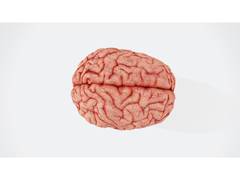
New Delhi [India], June 8 (ANI): For those who think COVID-19 is a respiratory disorder, it's the time to think again. As days pass, it has been emerging as the biggest threat to trigger a huge range of neurological disorders.
ANI
Jun 08, 2021 17:06 IST

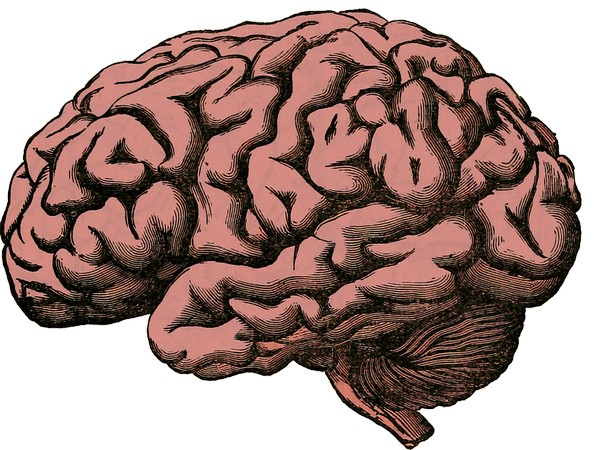
New Delhi [India], June 8 (ANI): For those who think COVID-19 is a respiratory disorder, it's the time to think again. As days pass, it has been emerging as the biggest threat to trigger a huge range of neurological disorders.
Stroke, anxiety, confusion and fatigue are the few names from the long list. There are many instances when people have had complaints of challenges in staying focused, problems with memory and extreme tiredness after the mild illness.
Neurological experts suggest that earlier nobody realized that the virus does cause problems in the brain but after much analysis, they realized that there could be many factors behind it. The coronavirus disrupts the oxygen flow in the body including the brain, resulting in blood-clotting and the hyper-inflammatory response of the immune system.
However, it is still not clear whether the novel virus itself is affecting the brain too. Though the recovery rate from the coronavirus infection has gone up, many believe that getting back home from the ICU is the beginning of many neurological disorders that a patient never had before.
There has been evidence from the past that how a massive lockdown had affected the brains of the people. During the end of World War One, a mysterious neurological syndrome known as encephalitis lethargica appeared and went on to affect more than a million people worldwide.
There is limited evidence of its causes, and whether the trigger was influenza or a post-infectious autoimmune disorder is still unknown. Some patients had movement disorders that looked like Parkinson's disease, which affected them for the rest of their lives.
What do researchers say?
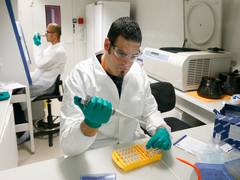
Neurologists are working hard to have a better understanding of how coronavirus infection is affecting their patients when various researches have estimated that the deadly virus is causing neurological impact. Recent researchers at the University College London (UCL) have studied the brain of 43 patients with confirmed or suspected COVID-19 infections who developed neurological symptoms, like inflammation, psychosis and delirium.
The scientists identified 10 cases of temporary brain dysfunction with delirium, 12 cases of brain inflammation, eight cases of strokes and eight patients with nerve damage. It has been observed that most people with inflammation were suffering from acute disseminated encephalomyelitis (ADEM). It's a rare disease and researchers feel that it has increased its prevalence during the pandemic.
Whereas, when the research was conducted in aged patients with an age group of 60 and above, it has been seen that they didn't develop any respiratory problem but the first and main symptom they developed was the neurological disorder. Even a study in China has found out that strokes, altered consciousness and other neurological issues are relatively common in more serious cases of COVID-19.
They studied the 214 cases of severe coronavirus illness treated in Wuhan city during the early phase of the global pandemic, doctors reported that 36.4 per cent of patients displayed neurological symptoms including disorientation or confusion, headaches, or even seizure. Some even had impairments in taste or smell.
The road ahead
As the infection is coming up with many new variants with each passing day, we are still clueless about the fact that what could be the long-term effect of the virus. If any person is experiencing any neurological symptoms, they should immediately see a neurologist. Even doctors should be aware of the possible neurological effects in the backdrop of the COVID.
We've already witnessed that Covid-19 can evoke an extremely strong immune response, which is called a cytokine storm. During a cytokine storm, the body overproduces immune cells and proteins to the point where they can attack tissues, leading to blood clots and organ failure in some cases. At this point, there's so little data on these patients that these explanations are only ideas.
The need of the hour is to have various detailed studies so that the possible neurological mechanisms can be understood and potential treatments can be explored. The main aim of these researches should focus on whether the cytokine storm can actually explain these neurological symptoms.
India should take a cue from the UK and kickstart a surveillance program called CoroNerve. Such a program should be implemented on an urgent basis so that the physicians can report neurological symptoms of Covid-19 and its impact on the brain. (ANI)
Get the App