Study suggets fat from vegetable might decrease stroke risk
Washington [US], November 13 (ANI): Eating higher total amounts of red meat, processed red meat and non-dairy animal fat increases the risk of stroke, while consuming more vegetable fat or polyunsaturated fat lowers it, according to a new study.
ANI
Nov 13, 2021 23:01 IST

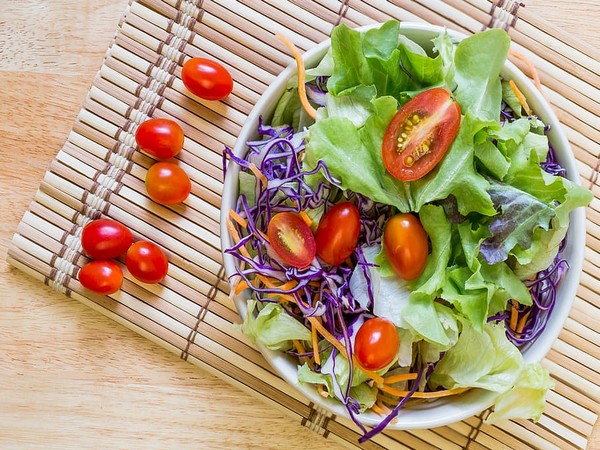
Washington [US], November 13 (ANI): Eating higher total amounts of red meat, processed red meat and non-dairy animal fat increases the risk of stroke, while consuming more vegetable fat or polyunsaturated fat lowers it, according to a new study.
The findings of the research will be presented at the American Heart Association's Scientific Sessions 2021.
The meeting will be fully virtual, starting from November 13 and will go on till November 15, 2021. It is a premier global exchange of the latest scientific advancements, research and evidence-based clinical practice updates in cardiovascular science for health care professionals worldwide.
This study is the first to comprehensively analyse the impact on stroke risk from fat derived from vegetable, dairy and non-dairy animal sources.
"Our findings indicate the type of fat and different food sources of fat are more important than the total amount of dietary fat in the prevention of cardiovascular disease including stroke," said Fenglei Wang, PhD, lead author of the study and a postdoctoral fellow in the department of nutrition at Harvard's T.H. Chan School of Public Health in Boston.
The investigators analyzed 27 years of follow-up from 117,136 participants in the Nurses' Health Study (1984-2016) and Health Professionals Follow-up Study (1986-2016), two of the largest studies to examine the risk factors for various chronic diseases.
Participants were age 50 years on average, 63 per cent were women, 97 per cent white, and all were free of heart disease and cancer at enrollment. At the beginning and every 4 years during the study, participants completed food frequency questionnaires that were used to calculate the amount, source and types of fat in their diets over the previous year.
Researchers calculated the cumulative average of the dietary data over time to reflect long-term dietary intake. The amount of fat intake was divided into 5 groups or quintiles.
In the study, total red meat included beef, pork or lamb as a main dish, in sandwiches or mixed dishes, and processed red meats. Processed red meats included bacon, sausage, bologna, hot dogs, salami and other processed meats.
The investigators found:
1. During the study, 6,189 participants had strokes, including 2,967 ischemic strokes (caused by a clot cutting off blood flow to part of the brain) and 814 hemorrhagic strokes (caused by bleeding of vessels in the brain).
2. Participants in the highest quintile of non-dairy animal fat intake were 16 per cent more likely to experience a stroke than those who ate the least (the lowest quintile).
3. Dairy fat in products, such as cheese, butter, milk, ice cream and cream was not associated with a higher risk of stroke.
4. Participants who ate the most vegetable fat and the most polyunsaturated fat were 12 per cent less likely to experience a stroke compared to those who ate the least.
5. Those consuming one more serving of total red meat every day had an 8 per cent higher risk of stroke, and those consuming one more serving of processed red meat had a 12 per cent higher risk of stroke.
"Based on our findings, we recommend for the general public to reduce consumption of red and processed meat, minimize fatty parts of unprocessed meat if consumed, and replace lard or tallow (beef fat) with non-tropical vegetable oils such as olive oil, corn or soybean oils in cooking in order to lower their stroke risk," said Wang.
Wang said that a look at subtypes of fat intake, such as separating saturated fat consumed from vegetable, dairy or non-dairy animal sources, would be useful in further understanding the association between fat intake and stroke risk.
"Many processed meats are high in salt and saturated fat, and low in vegetable fat. Research shows that replacing processed meat with other protein sources, particularly plant sources, is associated with lower death rates," said Alice H. Lichtenstein, D.Sc., FAHA, the Stanley N. Gershoff professor of nutrition science and policy at Tufts University in Boston, and lead author of the American Heart Association's 2021 scientific statement, Dietary Guidance to Improve Cardiovascular Health.
"Key features of a heart-healthy diet pattern are to balance calorie intake with calorie needs to achieve and maintain a healthy weight, choose whole grains, lean and plant-based protein and a variety of fruits and vegetables; limit salt, sugar, animal fat, processed foods and alcohol; and apply this guidance regardless of where the food is prepared or consumed," added Lichtenstein.
A limitation to the study is that it is observational, so the results cannot establish a cause-and-effect link between fat consumption and stroke risk. Also, dietary intake was self-reported by the participants, which may result in inaccuracies due to memory recall.
However, repeating the diet assessments every four years helps reduce this potential error and improve the accuracy of diet calculations. In addition, this study included primarily health professionals of European ancestry, therefore, the findings may not be generalizable to people from diverse racial and ethnic groups.
Co-authors are Megu Y. Baden, M.D., PhD; Kathryn M. Rexrode, M.D., M.P.H.; and Frank B. Hu, M.D., PhD. The study was funded by the National Heart, Lung, and Blood Institute of the National Institutes of Health. (ANI)
Get the App