Study suggests power of scents can alter how memories are processed in brain
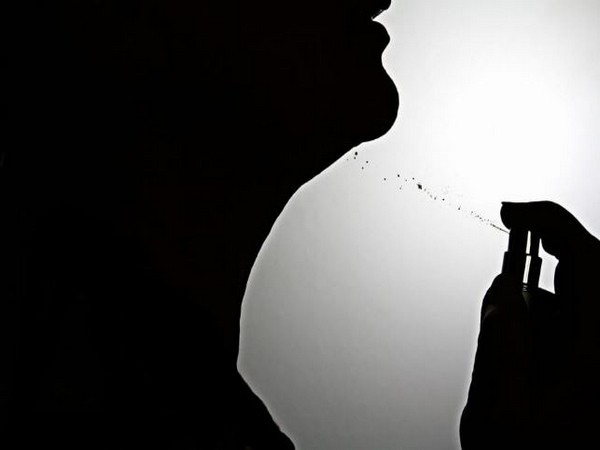
Washington DC [USA], Mar 18 (ANI): Scents or odours has a great potential in triggering the memory of past experiences and also a tool to treat memory-related mood disorders, suggests researchers from Boston University's (BU) Center for Systems Neuroscience.
ANI
Mar 18, 2020 10:23 IST

Washington DC [USA], Mar 18 (ANI): Scents or odours has a great potential in triggering the memory of past experiences and also a tool to treat memory-related mood disorders, suggests researchers from Boston University's (BU) Center for Systems Neuroscience.
"If odour could be used to elicit the rich recollection of a memory -- even of a traumatic experience -- we could take advantage of that (therapeutically)," said BU neuroscientist Steve Ramirez, assistant professor of psychology and brain sciences and senior author of the study.
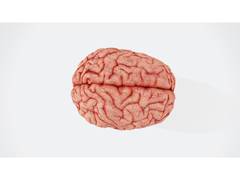
The traditional theory -- systems consolidation theory -- suggests that our memories start out being processed by a small, horseshoe-shaped brain area called the hippocampus, which infuses them with rich details.
Over time, especially when we sleep, the set of brain cells that holds onto a particular memory reactivates and reorganises. The memory then becomes processed by the front of the brain-- the prefrontal cortex-- instead of the hippocampus, and many of the details become lost in the shuffle.
For starters, this theory would explain why our memories tend to get a bit fuzzy as time passes. In contrast, those with prefrontal cortex damage often exhibit the flavour of amnesia we often see in soap operas -- an inability to remember the past.
However, critics say that if memories slip out of the hippocampus and become stripped of their details over time, then why do many people retain vivid recollections of an event even years later -- particularly those with post-traumatic stress disorder (PTSD)? Why do scents, which are processed in the hippocampus, sometimes trigger seemingly dormant memories?
For the study, Ramirez and members of his lab created fear memories in mice by giving them a series of harmless but startling electric shocks inside a special container.
During the shocks, half of the mice were exposed to the scent of almond extract, while the other half were not exposed to any scent. The next day, the researchers returned the mice to the same container to prompt them to recall their newly formed memories.
Once again, the mice in the odour group got a whiff of almond extract during their session, while the no-odour group was not exposed to any scent. But this time, neither group received any new electric shocks.
Consistent with the systems consolidation theory, both groups exhibited significant activation of the hippocampus during this early recall session, indicating they remembered receiving shocks from the day before.
However, during the next recall session 20 days later, the researchers were in for a shock of their own. As expected, in the no-odour group, processing of the fear memory had shifted to the prefrontal cortex -- but the odour group still had significant brain activity in the hippocampus.
"(This finding suggests) that we can bias the hippocampus to come back online at a time point when we would not expect it to be online anymore because the memory is too old," Ramirez said. "Odour can act as a cue to reinvigorate or reenergize that memory with detail."
Ramirez added, "We still are not sure about the odour's exact role in memory processing. Perhaps odours delay a memory's shift to relying on the prefrontal cortex, thereby preserving the details for longer. If this is the case, an odour needs only to be present during memory formation for memory to retain its vividness."
"Alternatively, it is possible that the prefrontal-cortex shift still occurs in an odour-associated memory, but that if the same odour emerges again, later on, the hippocampus becomes reactivated and the memory regains the details it had lost," he further said.
"We can potentially view memory as its own kind of drug--as an antidepressant or (anxiety reducer)," Ramirez stated.
"And (odour) could be an experimentally controllable factor that we could deliver to people. It may be a very powerful tool," he said.
The scents that spark our memories may be more powerful than we realise. Today, they serve as the triggers for our nostalgia and our anxiety -- but tomorrow, they could be our treatments. (ANI)
Get the App