 हिंदी खबर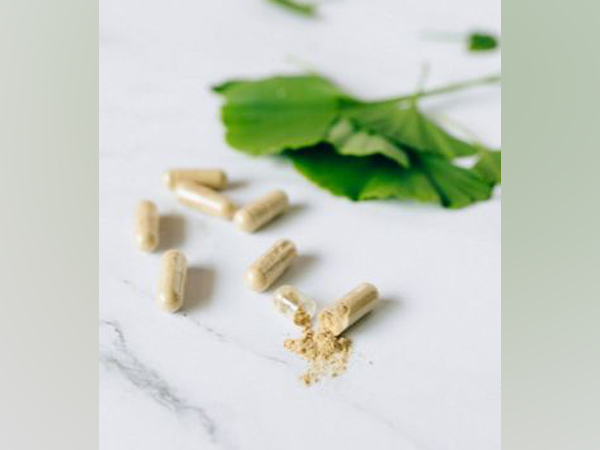

London [UK], May 9 (ANI): The first global review of complementary medicines (herbal and dietary supplements) for weight loss in 16 years -- combining 121 randomised placebo-controlled trials including nearly 10,000 adults -- suggests that their use cannot be justified on the basis of current evidence.
The findings of two studies, being presented at The European Congress on Obesity (ECO) held online this year, suggest that although some herbal and dietary supplements show statistically greater weight loss than placebo, it is not enough to benefit health, and the authors call for more research into their long-term safety.
"Over-the-counter herbal and dietary supplements promoted for weight loss are increasingly popular, but unlike pharmaceutical drugs, clinical evidence for their safety and effectiveness is not required before they hit the market", says lead author Erica Bessell from the University of Sydney in Australia.
"Our rigorous assessment of the best available evidence finds that there is insufficient evidence to recommend these supplements for weight loss. Even though most supplements appear safe for short term consumption, they are not going to provide weight loss that is clinically meaningful."
The authors report on herbal supplements, containing a whole plant or combinations of plants as the active ingredient, and dietary supplements containing naturally occurring isolated compounds from plants and animal products, such as fibres, fats, proteins, and antioxidants. They can be purchased as pills, powders and liquids.
Between 1996 and 2006, 1,000 dietary supplements for weight loss included on the Australian Register of Therapeutic Goods weren't evaluated for efficacy.
Supplements can be sold and marketed to the public with sponsors (who import, export or manufacture goods) required to have, but not necessarily provide, evidence backing their claims. Just 20 per cent of new listings are audited annually to make sure they meet the requirement. In some countries, the only requirement is that supplements contain acceptable levels of non-medicinal products.
Estimates suggest that 15 per cent of Americans trying to lose weight have tried a weight loss supplement, a USD 41 billion global industry in 2020. Despite their increasing popularity, it has been 16 years since the last review of the scientific literature on all available herbal and dietary supplements.
To provide more evidence, Australian researchers did a systematic review of all randomised trials comparing the effect of herbal supplements to placebo on weight loss, up to August 2018. Data were analysed for 54 studies involving 4,331 healthy overweight or obese adults aged 16 years or older. Weight loss of at least 2.5kg (5.5lbs) was considered clinically meaningful. They also evaluated study design, reporting, and clinical value.
Herbal supplements included in the analysis were: green tea; Garcinia cambogia and mangosteen (tropical fruits); white kidney bean; ephedra (a stimulant that increases metabolism); African mango; yerba mate (herbal tea made from the leaves and twigs of the Ilex paraguariensis plant); veld grape (commonly used in Indian traditional medicine); liquorice root; and East Indian Globe Thistle (used in Ayurvedic medicine).
The analysis found that only one single agent, white kidney bean, resulted in a statistically, but not clinically, greater weight loss than placebo (-1.61kg; 3.5Ibs).
In addition, some combination preparations containing African Mango, veld grape, East Indian Globe Thistle and mangosteen showed promising results but were investigated in three or fewer trials, often with poor research methodology or reporting, and the findings should be interpreted with caution, researchers say.
A new systematic review up to December 2019, also identified 67 randomised trials comparing the effect of dietary supplements containing naturally occurring isolated compounds to placebo for weight loss in 5,194 healthy overweight or obese adults (aged 16 years or older).
Dietary supplements included in the analysis were: chitosan (a complex sugar from the hard outer layers of lobsters, crabs, and shrimp that claims to block absorption of fat or carbohydrates); glucomannan (a soluble fibre found in the roots of the elephant yam, or konjac, that promotes a feeling of fullness); fructans (a carbohydrate composed of chains of fructose) and conjugated linoleic acid (that claims to change the body composition by decreasing fat).
The analysis found that chitosan (-1.84 kg), glucomannan (-1.27 kg), and conjugated linoleic acid (-1.08 kg) resulted in statistically, but not clinically, significant weight loss compared to placebo.
Some dietary supplements, including modified cellulose (plant fibre that expands in the stomach to induce a feeling of fullness) and blood orange juice extract, showed promising results but were only investigated in one trial and need more evidence before recommending them for weight loss, researchers say.
"Herbal and dietary supplements might seem like a quick-fix solution to weight problems, but people need to be aware of how little we actually know about them," says Bessell.
"Very few high-quality studies have been done on some supplements with little data on long-term effectiveness. What's more, many trials are small and poorly designed, and some don't report on the composition of the supplements being investigated. The tremendous growth in the industry and popularity of these products underscores the urgency for conducting larger more rigorous studies to have reasonable assurance of their safety and effectiveness for weight loss." (ANI)




