 हिंदी खबर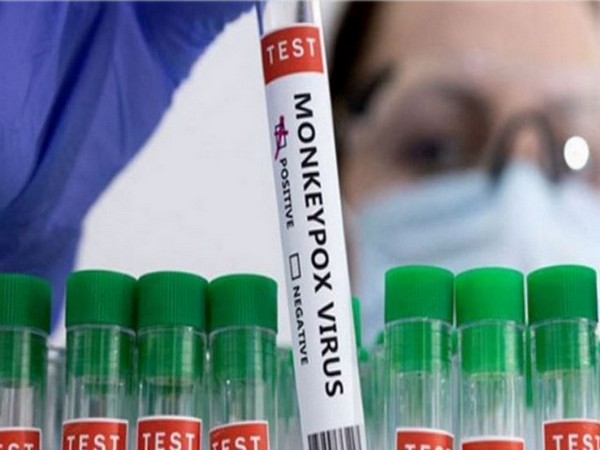

Philadelphia [US], October 29 (ANI): According to The Pediatric Infectious Disease Journal, the official publication of The European Society for Paediatric Infectious Diseases, children aged 8 or younger should be thought of as a population at high risk for more serious monkeypox disease. Wolters Kluwer publishes the journal under the Lippincott imprint.
According to the review by Petra Zimmermann, MD, Ph.D., of the University of Fribourg, Switzerland, and Nigel Curtis, Ph.D., of The University of Melbourne and Murdoch Children's Research Institute, Australia, young children would be a key target group for smallpox vaccination and other urgent measures if the outbreak widens. They offer a professional viewpoint on "What doctors need to know" about childhood monkeypox.
Past outbreaks raise concerns about monkeypox risks in young children
Nearly 47,000 monkeypox cases with laboratory confirmation had been reported globally as of August 2022. Only 211 of these were in children and adolescents under the age of 18. The monkeypox virus appears to have been transmitted most widely in the present outbreak through sexual or another close contact. It is still unknown how other transmission pathways, such as droplets and contaminated surfaces and objects, play a part.
Smallpox and monkeypox viruses are both orthopoxviruses, and the epidemic is a reflection of inadequate population immunity as a result of low rates of smallpox immunization. The majority of monkeypox cases are "self-limiting," with the rash developing and going away in 2 to 4 weeks. However, the absence or mildness of the symptoms might lead to missed diagnoses and the possibility of future spread.
Despite the low reported rates in children so far, there are special concerns about complications and other serious outcomes of monkeypox in children. "Children are reported to have an increased hospitalization rate and increased mortality, even in high-income countries," Drs. Zimmermann and Curtis write. Based mainly on data from low-income countries, children under 8 are particularly at higher risk of complications, including potentially serious bacterial infections. Young children may also be at increased risk of complications related to scratching and spreading the infection to other parts of the body, including the eyes.
With supportive care, the majority of monkeypox patients will recover. For severe cases and high-risk groups, such as children under 8 years old and people with underlying skin disorders, more specialized care is required. Pregnant individuals, immunocompromised patients, those with eczema, and those who have monkeypox rash around the mouth, eyes, or genitalia are additional risk populations.
Antiviral drugs such as tecovirimat, which is effective against orthopoxviruses, and vaccinia immune globulin (VIG), which is used to treat side effects of smallpox vaccination, are therapy choices in these high-risk situations.
However, "None of these treatments have been proven to be effective against monkeypox virus in humans in clinical trials, and they are currently only recommended after consultation with national health authorities," the reviewers write.
Although the length of protection is unknown, the smallpox vaccine is effective in preventing monkeypox. Many people have never received a smallpox vaccination because the practice was abandoned when the disease was declared eliminated, which occurred in the United States in 1972. The FDA has approved a new vaccine (MVA-BN) for the protection of monkeypox, although children have not been "licensed or carefully studied" with it.
Again, there is "very limited data" to support the use of drugs or vaccines to prevent monkeypox in children who have been exposed to the virus. The reviewers also go through certain unique issues for expectant mothers, nursing mothers, and babies born to infected mothers.
Monkeypox can be asymptomatic, thus the outbreak could get out of hand and affect vulnerable populations like young children. The smallpox vaccine would be essential, and "extra urgent steps" would be required in that situation. Drs. Zimmermann and Curtis conclude that smallpox vaccination provides protection against monkeypox. Authorities should be ready to rapidly adopt immunisation of this age group if the present outbreak expand to youngsters. (ANI)


