New study highlights key role of 'junk DNA' in regulating rhythms
California [US], January 5 (ANI): The researchers from Keck School of Medicine of the University of Southern California (USC) suggest the impact of non-coding microRNAs on circadian rhythms is tissue-specific and may reveal new insights into disease processes.
ANI
Jan 05, 2021 12:47 IST

California [US], January 5 (ANI): The researchers from Keck School of Medicine of the University of Southern California (USC) suggest the impact of non-coding microRNAs on circadian rhythms is tissue-specific and may reveal new insights into disease processes.
The study proclaims that the molecular circadian 'clocks' that exist in cells throughout the body, governs more than just sleep and wake cycles. Hence, they are crucial to many aspects of human health. For more than a decade researchers have been trying to figure out what makes them tick, in search of new insights into diseases like Alzheimer's, cancer and diabetes.
Until now, that research has focused on what is known as clock genes, which encode proteins that drive oscillating cycles of gene expression affecting physiology and behaviour. But the research published in the Proceedings of the National Academy of Sciences reveals the discovery of a new cog in the circadian clock - a genome-wide regulatory layer made up of small chains of non-coding nucleotides known as micro RNAs (miRNAs).
Steve Kay, Provost Professor of neurology, biomedical engineering, and quantitative computational biology at the Keck School of Medicine of USC said "We've seen how the function of these clock genes are really important in many different diseases. But what we were blind to was a whole different funky kind of genes network that also is important for circadian regulation and this is the whole crazy world of what we call non-coding microRNA."
'Junk DNA' proves to be a valuable tool in circadian rhythms, according to scientists.
Formerly thought to be 'junk DNA', miRNAs are now known to affect gene expression by preventing messenger RNA from making proteins. Past research has indicated miRNAs may have a role in the function of circadian clocks but determining which of the hundreds of miRNAs in the genome might be involved remained a problem.
Kay and his team, led by Lili Zhou, a research associate in the Keck School's Department of Neurology, turned to the Genomics Institute of the Novartis Research Foundation (GNF) in San Diego which has created robots capable of high throughput experiments.
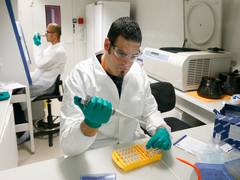
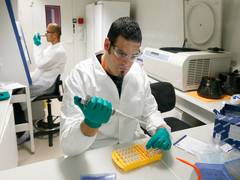
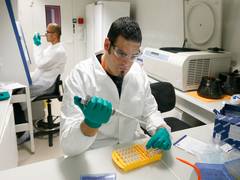
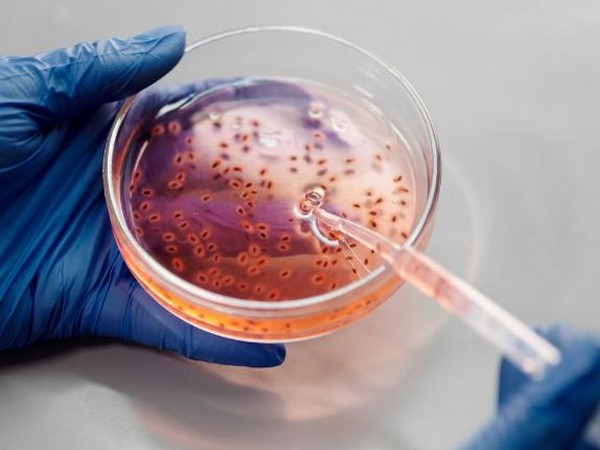
Working with scientists at the institute, Zhou developed a high throughput screen for a robot to test the close to 1000 miRNAs by individually transferring them into cells the team had engineered to glow on and off, based on the cell's 24-hour circadian clock cycle.
"The collaboration with GNF helped us to systematically identify which of the hundreds of miRNAs might be the ones modulating circadian rhythms," said Zhou.
"Much to our surprise," said Kay, "we discovered about 110 to 120 miRNAs that do this."
With the help of Caitlyn Miller, a biochemistry undergraduate from USC Dornsife, researchers then verified the impact on circadian rhythms by inactivating certain miRNAs identified by the screen in their line of glowing cells. Knocking out the miRNAs had the opposite effect on the cells' circadian rhythm as adding them to the cells.
Researchers also focused on the physiologic and behavioural impacts of miRNAs. They analyzed the behaviour of mice with a particular cluster of miRNAs inactivated - miR 183/96/182 - and saw that inactivating the cluster interfered with their wheel-running behaviour in the dark compared with control mice.
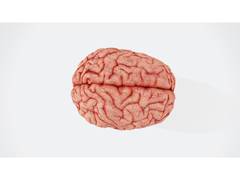
They then examined the impact of the miRNA cluster on the brain, retina, and lung tissue, and found that inactivating the cluster affected circadian rhythms in a different way in each tissue type - suggesting that the way the miRNAs regulate the circadian clock is tissue specific.
Understanding the impact of miRNAs on the circadian clock in individual tissue could reveal new ways of treating or preventing specific diseases.
"In the brain we're interested in connecting the clock to diseases like Alzheimer's, in the lung we're interested in connecting the clock to diseases like asthma. Next, we will model disease states in animals and in cells and look at how these microRNAs are functioning in those disease states," said Kay. (ANI)
Get the App