New approach to combat effects of birth asphyxia
Birth asphyxia is one of the major complications in newborns, leading to the death of babies, however, the use of caffeine is currently considered as a therapeutic strategy against the long-term deleterious consequences of birth asphyxia.
ANI
Jul 03, 2023 22:58 IST

Bonn [Germany], July 3 (ANI): Birth asphyxia is one of the major complications in newborns, leading to the death of babies, however, the use of caffeine is currently considered as a therapeutic strategy against the long-term deleterious consequences of birth asphyxia.
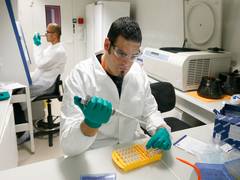
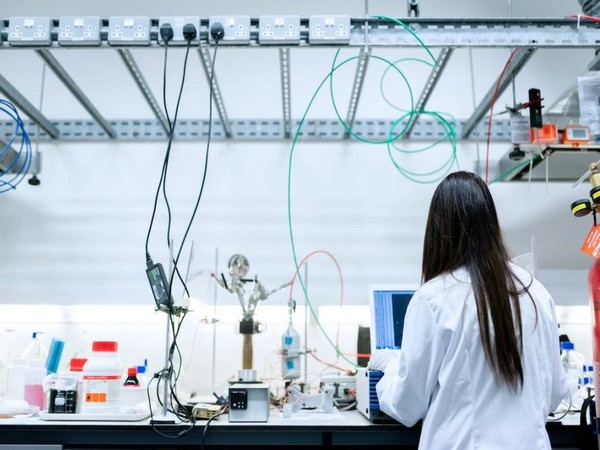
Researchers from the University Hospital Bonn (UKB) and the DZNE tested treatment with 25 different active agents in a small animal model. Seven substances outperformed the standard therapy of artificial cooling: caffeine was the most effective. The findings, which were published in the scientific journal Scientific Reports, could pave the way for new newborn treatment options.
Children, who experience oxygen deprivation during birth - a condition known as "birth asphyxia" -, must be treated immediately because this situation causes brain damage and poses an imminent life threat.
In Germany, such issues are rare, but on a global level, birth asphyxia is one of the main causes of death among newborns. Globally, 1 million newborns die due to birth asphyxia per year. To address this, so-called therapeutic hypothermia has been used for several years.
This involves lowering the babies' body temperature to around 33 degrees Celsius for several days and then gradually raising it again. "The cooling slows down the metabolism and gives the brain the opportunity to regenerate. This increases the chances of survival and reduces the risk of late effects," explains Prof Hemmen Sabir.
The scientist and physician is a research group leader at DZNE and a senior physician in the Department of Neonatology and Pediatric Intensive Care at UKB.
"In high-income countries, the procedure is well established, however, about 40 percent of treated children do not benefit from it. And in low- and middle-income countries, the success rate is even much lower. The reasons for this are not entirely clear. However, they could be related to the fact that the newborns there have worse conditions than in high-income countries due to the health status of their mothers and possibly unnoticed infections. In view of this, there is an urgent need for alternative therapies. That's where our study came in."
Study with 25 Active Agents: To date, hypothermia is the only established therapy for treating the consequences of oxygen shortage during childbirth. Drug alternatives have been tested worldwide - mostly in animal studies.
However, the results of these investigations are difficult to compare with each other because they were done by different research groups and mostly in unequal settings. Therefore, Hemmen Sabir and his team aimed to test a whole range of compounds under identical conditions.
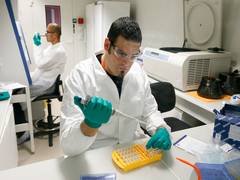
Based on studies performed by other research groups, they identified a total of 25 promising agents, which they then tested in a small animal model under oxygen deprivation. The animals were treated for up to six days: depending on the particular agent and its usage conditions, which were derived from previous studies. Of some agents, a first dose was administered shortly before oxygen deprivation.
"Transferred to humans, this means that these agents are given while the mother is still giving birth. This may happen, for example, in the case of obvious risks or complications," Sabir said.
"However, only substances that can cross the placenta and therefore pass from the mother's bloodstream to the unborn child are suitable for this. We sort of simulated this situation in our study."
Caffeine was most effective
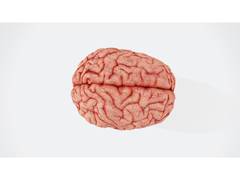
Seven days after oxygen deprivation, the animal brains were examined for damage. "Treatment with caffeine was the most effective, the loss of brain matter was lowest here and also significantly less than with hypothermic treatment," Sabir said.
"Caffeine is known to have anti-inflammatory effects. Our study proves that caffeine is also extremely neuroprotective."
Six other agents also performed better than standard therapy. These comprise the hormone melatonin, a medicine against gout, an anti-allergy drug and fish oil.
The total of seven particularly effective agents includes both ones that were administered before oxygen deprivation - such as caffeine - and ones whose application occurred only afterwards.
Starting point for follow-up studies
"The advantage of drug treatment is that it does not require complex medical equipment. If caffeine does indeed turn out to be the drug of choice, we would also have an agent that is cheap and readily available. This form of therapy would be particularly well suited to developing countries. But certainly, it could also be used in high-income nations if it is superior to hypothermic treatment," Sabir said.
Before testing on humans, however, additional studies in animal models would be necessary, and the mechanisms of action of the various substances would have to be investigated in greater detail in order to identify the best possible agent or any possible combinations. The Bonn researchers are in contact with international partners for this purpose.
"If further laboratory studies produce positive results, I am confident that we can expect clinical trials in humans very shortly from now," Sabir said. (ANI)
Get the App