 हिंदी खबर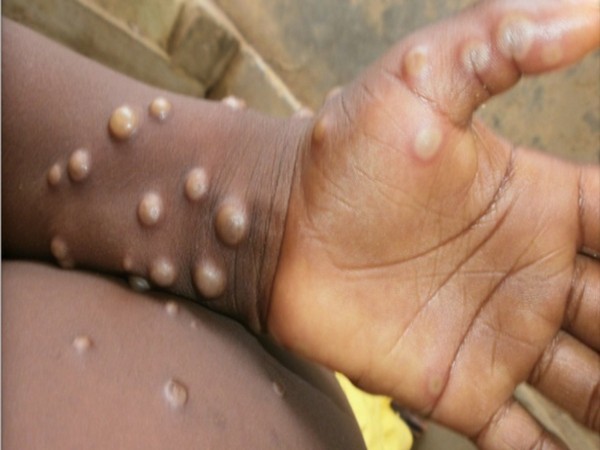

New Delhi [India], July 18 (ANI): India reported its second case of monkeypox in Kerala's Kannur district on July 18. A 31-year-old man has contracted the infection and is currently undergoing treatment at a hospital. The first case of the monkeypox virus also originated in India on July 14 after a UAE traveller returned to Kerala. He has been admitted to Thiruvananthapuram medical college.
However, although the incident has given rise to a wave of fear amongst citizens, with the necessary precautions taken, the infection can be kept at bay. Here are all the details of monkeypox, which might answer all queries.
1. What is Monkeypox?
According to World Health Organisation (WHO), monkeypox is a viral zoonotic infection caused by the monkeypox virus. It spreads mostly from human contact.
2. What are the symptoms of Monkeypox?
Some of the most common symptoms of monkeypox are muscle aches, headache, fever, low energy, and swollen lymph nodes. As per Dr Piyush Ranjan, Department of Medicine, AIIMS, "Monkeypox symptoms are like smallpox and chickenpox. At the onset, patients will have fever and enlargement of lymph nodes. After 1-5 days the patient may report rashes on the face, palms or soles. They may have rashes in the cornea leading to blindness."
The number of rashes leading to lesions can range from one and upto several thousand.
3. Who is at risk of contracting monkeypox?
Those people who are in close contact with someone suffering from monkeypox, including sexual contact are at the highest risk. Coming in contact with animals infected with the disease can also transfer the infection.
4. Are children at risk of getting monkeypox?
Dr Ranjan reveals "the infectivity of monkeypox is less but it can be fatal in children. The COVID-19 infection has more transmissibility, but monkeypox infection occurs after prolonged exposure to an infected person. So the infection rate is very high in COVID and an infected person can infect many. But, monkeypox is less contagious."
5. How does monkeypox spread?
Monkeypox can spread from person to person contact and also from animal to person contact. In the case of humans, coming through face-to-face, skin-to-skin, mouth-to-mouth or mouth-to-skin contact, with another infected person can lead to monkeypox. Animal hosts include rodents and primates. In addition, Dr Ranjan says that, "This virus is also transmitted to humans by coming in contact with a dead animal infected with this virus."
6. How can I protect myself and others against monkeypox?
The necessary precautions that are to be taken to reduce the risk of monkeypox are
a) Limiting close contact with people who are either suspected or confirmed of having monkeypox or limiting contact with animals who are infected.
b) Cleaning and disinfecting contaminated environment and surroundings
c) Seeking medical attention immediately after noticing any symptoms or getting rashes.
The government of India has also issued guidelines regarding the monkeypox disease. The guidelines stress the "surveillance and rapid identification of new cases as the key public health measures for outbreak containment, mandating the need to reduce the risk of human-to-human transmission. It explains the Infection Prevention and Control (IPC) measures, IPC at home, patient isolation and ambulance transfer strategies, additional precautions that need to be taken care of and duration of isolation procedures."
In addition, "contacts should be monitored at least daily for the onset of signs/symptoms for a period of 21 days (as per case definition) from the last contact with a patient or their contaminated materials during the infectious period.
The government guideline also urges people to "raising awareness and educating people about the measures for Monkeypox virus, like avoiding contact with any material of the sick person, isolation of the infected patient from others, practising good hand hygiene and using appropriate personal protective equipment (PPE) when caring for patients. (ANI)
India confirms second case of Monkeypox: Here's all you need to know about the infection
ANI | Updated: Jul 18, 2022 20:38 IST


