 हिंदी खबर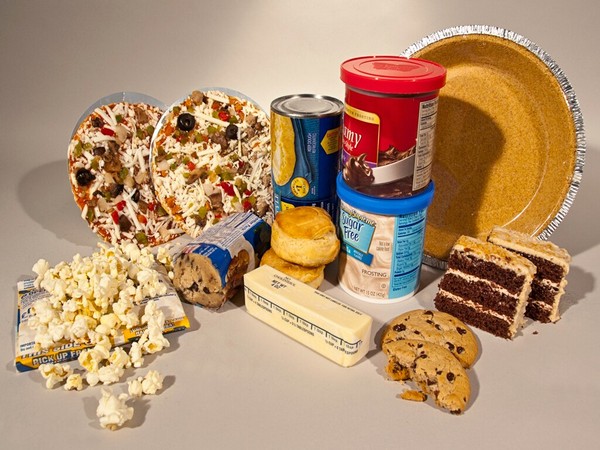

Washington [US], February 1 (ANI): An Imperial College London-led observational study suggests that higher consumption of ultra-processed foods may be linked to an increased risk of developing and dying from cancer.
Researchers from Imperial's School of Public Health have produced the most comprehensive assessment to date of the association between ultra-processed foods and the risk of developing cancers. Ultra-processed foods are food items which have been heavily processed during their production, such as fizzy drinks, mass-produced packaged breads, many ready meals and most breakfast cereals.
Ultra-processed foods are often relatively cheap, convenient, and heavily marketed, often as healthy options. But these foods are also generally higher in salt, fat, sugar, and contain artificial additives. It is now well documented that they are linked with a range of poor health outcomes including obesity, type 2 diabetes and cardiovascular disease.
The first UK study of its kind used UK Biobank records to collect information on the diets of 200,000 middle-aged adult participants. Researchers monitored participants' health over a 10-year period, looking at the risk of developing any cancer overall as well as the specific risk of developing 34 types of cancer. They also looked at the risk of people dying from cancer.
The study found that higher consumption of ultra-processed foods was associated with a greater risk of developing cancer overall, and specifically with ovarian and brain cancers. It was also associated with an increased risk of dying from cancer, most notably with ovarian and breast cancers.
For every 10 per cent increase in ultra-processed food in a person's diet, there was an increased incidence of 2 per cent for cancer overall, and a 19 per cent increase for ovarian cancer specifically.
Each 10 per cent increase in ultra-processed food consumption was also associated with increased mortality for cancer overall by 6 per cent, alongside a 16 per cent increase for breast cancer and a 30 per cent increase for ovarian cancer.
These links remained after adjusting for a range of socio-economic, behavioural and dietary factors, such as smoking status, physical activity and body mass index (BMI).
The Imperial team carried out the study, which is published in eClinicalMedicine, in collaboration with researchers from the International Agency for Research on Cancer (IARC), University of Sao Paulo, and NOVA University Lisbon.
Previous research from the team reported the levels of consumption of ultra-processed foods in the UK, which are the highest in Europe for both adults and children. The team also found that higher consumption of ultra-processed foods was associated with a greater risk of developing obesity and type 2 diabetes in UK adults, and a greater weight gain in UK children extending from childhood to young adulthood.
Dr Eszter Vamos, lead senior author for the study, from Imperial College London's School of Public Health, said: "This study adds to the growing evidence that ultra-processed foods are likely to negatively impact our health including our risk for cancer. Given the high levels of consumption in UK adults and children, this has important implications for future health outcomes.
"Although our study cannot prove causation, other available evidence shows that reducing ultra-processed foods in our diet could provide important health benefits. Further research is needed to confirm these findings and understand the best public health strategies to reduce the widespread presence and harms of ultra-processed foods in our diet."
Dr Kiara Chang, first author for the study, from Imperial College London's School of Public Health, said: "The average person in the UK consumes more than half of their daily energy intake from ultra-processed foods. This is exceptionally high and concerning as ultra-processed foods are produced with industrially derived ingredients and often use food additives to adjust colour, flavour, consistency, texture, or extend shelf life.
"Our bodies may not react the same way to these ultra-processed ingredients and additives as they do to fresh and nutritious minimally processed foods. However, ultra-processed foods are everywhere and highly marketed with cheap price and attractive packaging to promote consumption. This shows our food environment needs urgent reform to protect the population from ultra-processed foods."
The World Health Organisation and the United Nations' Food and Agriculture Organisation has previously recommended restricting ultra-processed foods as part of a healthy sustainable diet.
There are ongoing efforts to reduce ultra-processed food consumption around the world, with countries such as Brazil, France and Canada updating their national dietary guidelines with recommendations to limit such foods. Brazil has also banned the marketing of ultra-processed foods in schools. There are currently no similar measures to tackle ultra-processed foods in the UK.
Dr Chang added: "We need clear front-of-pack warning labels for ultra-processed foods to aid consumer choices, and our sugar tax should be extended to cover ultra-processed fizzy drinks, fruit-based and milk-based drinks, as well as other ultra-processed products.
"Lower income households are particularly vulnerable to these cheap and unhealthy ultra-processed foods. Minimally processed and freshly prepared meals should be subsidised to ensure everyone has access to healthy, nutritious and affordable options."
The researchers note that their study is observational, so does not show a causal link between ultra-processed foods and cancer due to the observational nature of the research. More work is needed in this area to establish a causal link. (ANI)




