ADD ANI AS A TRUSTED SOURCE
googleads
Menu
Health

Discovery helps fight against drug-resistant TB

A team of scientists has identified a naturally occurring antibiotic that may help in the fight against drug-resistant tuberculosis (TB).

ANI Oct 06, 2018 14:32 IST googleads

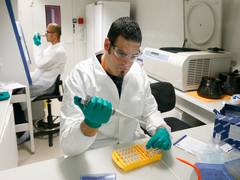
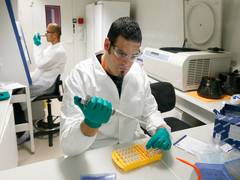
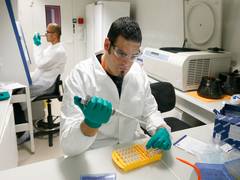
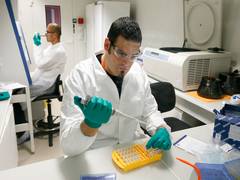
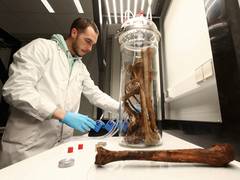
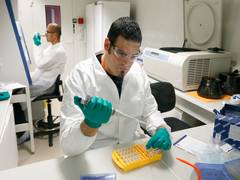
Representational Image

A team of scientists has identified a naturally occurring antibiotic that may help in the fight against drug-resistant tuberculosis (TB).
Each year, approximately 10 million people fall ill with tuberculosis and around 1.7 million die from the devastating disease worldwide. One of the main antibiotics for TB is rifampicin, however, many strains of the tuberculosis-causing bacteria - Mycobacterium tuberculosis - have developed resistance to it.
Approximately 600,000 people are diagnosed with rifampicin-resistant tuberculosis every year. Now, researchers from Newcastle University and Demuris Ltd have identified that a naturally occurring antibiotic, called kanglemycin A – related to the antibiotic rifampicin – is active against rifampicin-resistant Mycobacterium tuberculosis.
It is hoped that this compound and the enhanced understanding gained from these studies may lead to effective new drug treatments in the future.
Nikolay Zenkin, lead author of the study, said: “Treatment of TB involves a cocktail of antibiotics administered over many months, and resistance to several key antibiotics is becoming a major public health problem around the world. Our findings are very exciting and the first step towards developing a new, effective drug treatment for patients with rifampicin resistant TB to prevent fatalities in the future.”
Dr Michael Hall, added: “This is an exciting development for the future treatment of rifampicin resistant TB and shows what can be achieved when local businesses and universities work together.”
He said: “Recent development of drug-resistant Mycobacterium tuberculosis has made treatment of this disease even more challenging. Identifying new compounds that are effective against the rifampicin-resistant RNA polymerase is incredibly important for public health.”
The findings of the study have been published in the journal, Molecular Cell. (ANI)

Get the App

What to Read Next

Health

'Brain activity can predict risky decisions before they happen'

'Brain activity can predict risky decisions before they happen'

Scientists at the University of California, San Francisco (UCSF) and the University of California, Berkeley have identified two neighbouring regions in the human brain that appear to compete when a person decides whether to take a risk, and found that their activity can predict the decision nearly half a second before it is made.

Read More
Health

Study finds weight loss medicines link to hair loss in men

Study finds weight loss medicines link to hair loss in men

Weight loss drugs such as Ozempic, Wegovy and Zepbound may be linked to a higher risk of male pattern hair loss, with men already genetically predisposed to the condition facing a 7 per cent added risk, according to a new study led by researchers at NYU Langone Health.

Read More
Health

Low fat vegan diet help people lose weight without eating less

Low fat vegan diet help people lose weight without eating less

A low-fat vegan diet may support weight loss without the need to count calories, reduce portion sizes, or constantly battle hunger. In a 16-week clinical trial, participants following a diet centred on fruits, vegetables, grains and legumes consumed around 357 fewer calories per day, despite eating nearly the same amount of food overall.

Read More
Health

'One faulty gene copy can make heart’s DNA fold the wrong way'

'One faulty gene copy can make heart’s DNA fold the wrong way'

Researchers have discovered that a gene linked to congenital heart disease acts like an architect for the heart cell's DNA. Losing just one copy of TBX5 can cause the genome's carefully folded 3D structure to unravel, disrupting the genes needed to build a healthy heart.

Read More
Health

Scientists may found ageing’s hidden trigger for brain disease

Scientists may found ageing’s hidden trigger for brain disease

Scientists have identified a molecular switch that may explain why the ageing brain becomes more vulnerable to neurodegenerative diseases such as ALS and Huntington's. In worms, researchers found that the protein EPS8 accumulates with age, activating signaling pathways that promote the clumping of toxic proteins. These harmful aggregates damage neurons and shorten lifespan. However, reducing EPS8 activity prevented protein buildup, protected nerve function, and helped preserve healthy ageing.

Read More
Home About Us Our Products Advertise Contact Us Terms & Condition Privacy Policy

Copyright © aninews.in | All Rights Reserved.