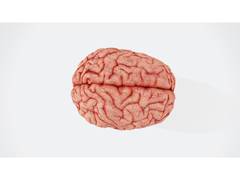
Brain injury in combat sports: Is there a safe level?
Minneapolis [USA], Dec 24 (ANI): Head trauma is often a major concern for athletes who partake in combat sports, especially boxing and MMA. A new US-based study has tried to quantify whether there is a safe level of head trauma and if yes, how can the findings be put to use in order to avert any further severe brain injury and brain function loss in martial artists.
ANI
Dec 24, 2019 11:30 IST

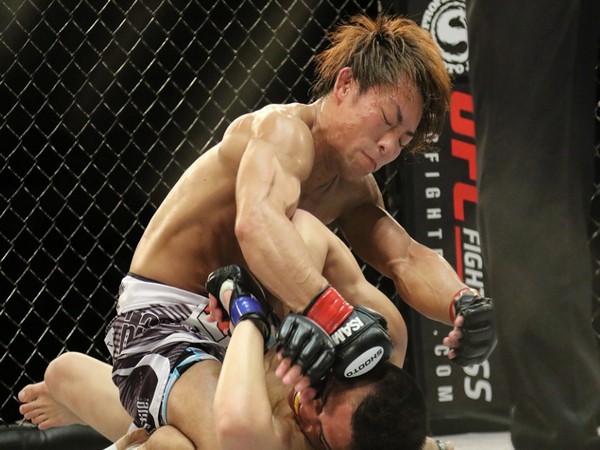
Minneapolis [USA], Dec 24 (ANI): Head trauma is often a major concern for athletes who partake in combat sports, especially boxing and MMA. A new US-based study has tried to quantify whether there is a safe level of head trauma and if yes, how can the findings be put to use in order to avert any further severe brain injury and brain function loss in martial artists.
This research shows different effects in the brain for younger and current fighters compared to older and retired fighters. The study was published in the online issue of Neurology®, the medical journal of the American Academy of Neurology.
As a group, both the current and the former fighters had a loss of brain volume. In the current fighters, the volume loss was in areas of the brain that suggest it is a result of the injury when nerve fibers are torn as the brain shifts inside the skull. In the retired fighters, the volume loss was in areas of the brain that suggest it is due to the progressive disease process seen in neurodegenerative diseases such as chronic traumatic encephalopathy (CTE) or Alzheimer's disease.
CTE is a rare brain disease found in athletes and others with a history of repeated head traumas. Symptoms include memory loss and thinking problems as well as emotional and behavior changes such as aggression.
"More research is needed to confirm these findings and to see if this pattern of loss of brain volume continues over a longer time period, but the results suggest that people with repeated head impacts may experience different processes in the brain at different times," said study author Charles Bernick, MD, of the Cleveland Clinic Lou Ruvo Center for Brain Health in Las Vegas, and a member of the American Academy of Neurology. "Ideally, future studies would build on these results and help us identify ways to predict irreversible injury so we could reduce the risks for these professional athletes before it's too late."
The study involved 50 current boxers with an average age of 29 and an average of five fights; 23 retired boxers with an average age of 45 and an average of 38 fights; and 100 mixed martial arts fighters with an average age of 29 and an average of eight fights. They were compared to 31 non-fighters with an average age of 31 who had no history of head trauma, military service or participation at the high school level or higher in a sport in which head trauma can often occur, such as football or soccer.
Bernick said too few retired MMA fighters took part in the study to form a group. He also noted that a few women were involved in the study: one retired boxer, two current boxers, 10 MMA fighters and five of the non-fighters.
The participants had brain scans and took tests of memory and thinking skills at the beginning of the study and again each year for at least two years.
Compared to the non-fighters, the current boxers had a greater average yearly rate of loss of brain volume in the areas of the left thalamus, the mid-anterior corpus callosum and the central corpus callosum. In the MMA fighters, a similar pattern was seen, but to a slightly lesser extent, in the left thalamus and the central corpus callosum, Bernick said.
For the left thalamus area of the brain, the average volume at the beginning of the study was 3,773 cubic millimeters. The current boxers lost an average of 145 cubic millimeters (mm3) in volume per year, compared to a loss of 100 mm3 for the MMA fighters and a gain of 43 mm3 for the non-fighters.
The retired boxers did not show changes in those areas of the brain. Instead, they showed brain volume loss in the areas of the left and right amygdala and the right hippocampus. These are areas of the brain that are affected in diseases such as Alzheimer's and CTE.
For the right hippocampus, the average volume at the start of the study was 2,350 mm3. The retired boxers lost an average of 43 mm3 per year, compared to a gain of 10 mm3 for the non-fighters.
Bernick noted that these changes in brain volumes were relatively small. "More research is needed to determine if these small changes could help us predict what will happen for individual athletes," he said.
Overall, the researchers found no significant differences in the scores on the thinking and memory tests among the groups of current and retired fighters and non-fighters. However, when they divided the current fighters into those who had brain volume loss and those without, they found that those with brain volume loss had worse scores on two of the thinking tests for processing speed.
One limitation of the study is that fighters volunteered to take part. So it is possible that people having problems or concerns about their health might be more likely to take part in the study. (ANI)
Get the App