Brain cell activity is responsible for central nervous system disorder outcomes
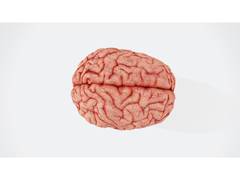
Los Angeles (California) [US], June 2 (ANI): According to a research led by the investigators at the Cedars-Sinai Medical Center, brain cell activities and the spinal cord is responsible for regulating the body's response to the central nervous systems (CNS) disorders such as Alzheimer's, Huntington's disease and spinal cord injuries.
ANI
Jun 02, 2022 10:18 IST


Los Angeles (California) [US], June 2 (ANI): According to a research led by the investigators at the Cedars-Sinai Medical Center, brain cell activities and the spinal cord is responsible for regulating the body's response to the central nervous systems (CNS) disorders such as Alzheimer's, Huntington's disease and spinal cord injuries.
The research focused on cellular changes in astrocytes, a specialized support cell type in the brain and spinal cord. These cellular changes, known collectively as "reactivity," play a critical role in regulating outcomes for central nervous system disorders.
This is the first time a team of scientists has provided evidence demonstrating that astrocytes use specialized collections of molecules called transcriptional regulators to shape disorder-specific changes in their molecular profiles.
The discovery, detailed in the peer-reviewed journal Nature, can help lead to the development of a broad range of new therapies that target specific astrocyte activity to help treat a variety of central nervous system conditions, including multiple sclerosis and stroke.
"There is a growing interest in targeting astrocyte reactivity as treatment strategies for CNS disorders," said Joshua Burda, PhD, lead and co-corresponding author of the study, and assistant professor in the Department of Biomedical Sciences and the Department of Neurology. "Understanding how different kinds of astrocyte responses are coordinated and the consequences of manipulating those responses not only will help us better understand diseases of the central nervous system but can provide crucial insights that enable the development of better therapies for these conditions."
Astrocyte reactivity is a hallmark of virtually all nervous system injuries and diseases. Yet, there is still little understanding of what astrocyte reactivity is, what causes it, how it differs across disorders, and how these differences are regulated.
The term "reactivity" describes a remarkable diversity of astrocyte cellular transformations that each involve changes in gene expression. To find out more about the mechanisms controlling these astrocyte gene expression changes, Burda and his team first developed a bioinformatics tool to identify "astrocyte reactivity transcriptional regulators" -- specialized molecules that determine the expression of genes -- in various neurological injuries or diseases.
The method relies on the consensus of multiple types of data, including computational and biological experimental data, which all have to align to positively identify these specialized molecules.
Next, the investigators used genetic analyses to validate reactivity transcriptional regulators as the major determinant of CNS disorder progression and outcomes.
Together, the results of these studies demonstrated that control of reactivity gene expression changes is highly complex. The team of scientists also showed for the first time how a relatively restricted pool of transcriptional regulators can interact to coordinate the altered expression of hundreds or even thousands of reactivity genes in astrocytes.
"With this broad dataset, we can now begin to probe and link these modular astrocyte gene regulatory pathways to specific aspects and states of reactivity associated with numerous common neurological disorders," Burda said. "Ultimately, we would like to use this information to therapeutically enhance adaptive responses, while diminishing maladaptive aspects of astrocyte reactivity. I am also hopeful that our findings will spark an important shift in how people think about and study astrocyte reactivity."
The study's other co-corresponding author is Michael Sofroniew, MD, PhD, a distinguished professor in the Department of Neurobiology at UCLA. Other authors from Cedars-Sinai include Burda Lab team members Keshav Suresh, a PhD candidate in the Cedars-Sinai Biomedical Sciences Program, and Sarah McCallum, PhD, a postdoctoral fellow. (ANI)
Tags:
Get the App