Adaptations in gut microbes helped our ancestors thrive in new geographical territories: Study
Washington D.C. [USA], Feb 22 (ANI): The adaptations which took place in the human gut microbes (microbiome) over several millennia might have helped our ancestors to spread out and thrive in new geographical territories around the world.
ANI
Feb 22, 2020 15:24 IST

Washington D.C. [USA], Feb 22 (ANI): The adaptations which took place in the human gut microbes (microbiome) over several millennia might have helped our ancestors to spread out and thrive in new geographical territories around the world.
According to a new study published in Frontiers in Ecology and Evolution, when our ancestors walked into new geographic areas, they confronted new food choices and their adaptive microbiome made it possible to digest or detoxify the foods they were eating in a local region and increased their ability to endure new diseases.
"In this paper, we begin to consider what the microbiomes of our ancestors might have been like and how they might have changed," says Rob Dunn of the North Carolina State University in the United States. "Such changes aren't always bad and yet medicine, diet, and much else makes more sense in light of a better understanding of the microbes that were part of the daily lives of our ancestors."
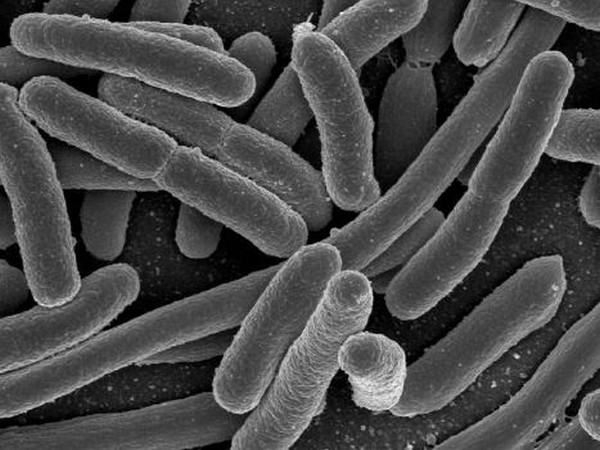
These adaptive microbiomes might have been critical for human success in a range of different environments. By using data from previously published studies to compare microbiota among humans, apes and other non-human primates, the interdisciplinary team of researchers found that there is substantial variation in the composition and function of the human microbiome which correlates with geography and lifestyle. This suggests that the human gut microbiome adapted quickly to new environmental conditions.
Importantly, the social sharing of microbes might have led to local microbial adaptations. Yet, our ancestors did not just share their microbiota amongst each other but they also outsourced them into their food.
For instance, with fermentation, the researchers posit that ancient humans "extended" their guts outside of their bodies by co-opting body microbes to allow digestion to begin externally when food was fermented. This allowed humans to store food and stay in one place for a longer time, facilitating the persistence of larger groups living together. When these groups consumed the food items together, the microbes re-inoculated the consumers and the group's microbiota became more similar to each other than to individuals from other groups.
"We outsourced our body microbes into our foods. That could well be the most important tool we ever invented. But it is a hard tool to see in the past and so we don't talk about it much," says Dunn. "Stone artifacts preserve but fish or beer fermented in a hole in the ground doesn't."
However, the researchers pointed out that the results of this study are limited to hypotheses that still need to be tested by paleoanthropologists, medical researchers, ecologists and other professionals. Though, they are hopeful their findings would facilitate other scientists in further studying the consequences of this fascinating phenomenon. (ANI)
Get the App