Search For "lunar eclipse"
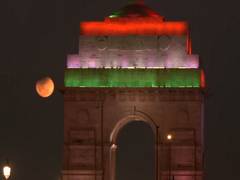
From Assam to Delhi: Total lunar eclipse turns Moon dusky red across India
Updated : 1 month, 2 weeks ago IST
As Earth's shadow moved steadily across the lunar surface, the Moon shifted its shade from a bright white to deeper shades of amber and red. The changing hues drew many to gather on terraces and open grounds for a clear view of the spectacle.
Read More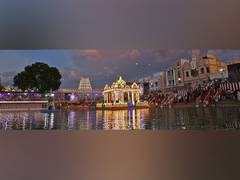
Tirupati temple to remain closed for ten hours during Lunar Eclipse
Updated : 1 month, 2 weeks ago IST
According to temple authorities, the eclipse will commence at 3:21 PM and continue until 6:47 PM. As per established religious customs followed by the Tirumala Tirupati Devasthanams (TTD), the temple will be closed from 9:00 AM to 7:30 PM.
Read More
Only a partial lunar eclipse will be visible in India: Birla Planetarium f
Updated : 1 month, 2 weeks ago IST
Former Director (Research and Academic) at MP Birla Planetarium, Dr Debinrosad Duari, said that although a total lunar eclipse will occur on Tuesday, skywatchers in India will only be able to witness a partial phase as the Moon will be below the horizon during the full eclipse.
Read More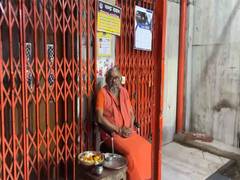
Temples across India close doors as 'Sutak Kaal' begins ahead of lunar ecl
Updated : 1 month, 2 weeks ago IST
Temples across India closed their gates on Tuesday as the 'Sutak Kaal' (inauspicious period) began ahead of the first lunar eclipse of the year, with priests saying the doors will reopen after the eclipse ends in the evening.
Read More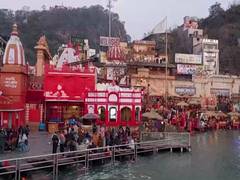
Devotees take holy dip in Haridwar as lunar eclipse Sutak begins, temples
Updated : 1 month, 2 weeks ago IST
Hariom Vashishth from Rohtak said he had arrived a day earlier and completed the ritual bath before the eclipse began. He explained that a fast is observed during the sutak period, during which devotees refrain from drinking water, eating food, or performing any rituals. He added that the
Read More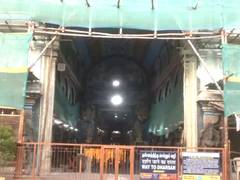
Temples across country close for lunar eclipse; devotees arrive early for
Updated : 1 month, 2 weeks ago IST
At the Meenakshi Amman Temple, devotees gathered in large numbers in the early hours to offer prayers before the temple doors were shut.
Read More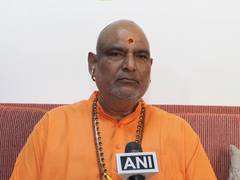
Holika Dahan to be observed on March 3 after lunar eclipse, says Kalkaji P
Updated : 1 month, 2 weeks ago IST
Kalkaji Peethadheeshwar Mahant Surendranath Avadhut on Monday said that Holika Dahan will be observed on March 3, following the conclusion of the lunar eclipse.
Read More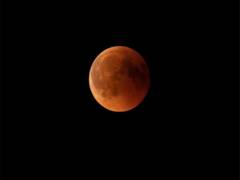
India set to witness total lunar eclipse tomorrow, confirms IMD
Updated : 1 month, 2 weeks ago IST
According to the India Meteorological Department, a total lunar eclipse will occur when the whole Moon comes under the umbral shadow of the Earth, and a partial lunar eclipse occurs only when a part of the Moon comes under the shadow of the Earth.
Read More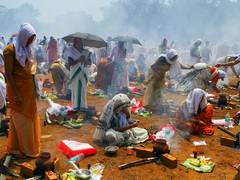
Tamil Nadu: Over 40 lakh devotees expected for Attukal Pongala ceremony on
Updated : 1 month, 2 weeks ago IST
The festival committee representatives said that preparations are gathering pace for one of the largest gatherings of women in the world.
Read More
Ayodhya: Devotees take a holy dip in River Saryu after total lunar eclipse
Updated : 7 months ago IST
Following the total lunar eclipse that occurred the previous night, devotees in Ayodhya took a holy dip in the River Saryu and offered prayers on Monday morning. This morning, visuals from Ayodhya's Saryu Ghat showed devotees taking a holy bath in the Saryu River.
Read More
Haridwar: Devotees take holy dip in River Ganga after total lunar eclipse
Updated : 7 months ago IST
Devotees in Haridwar took a holy dip in the River Ganga on Monday morning following the conclusion of the total lunar eclipse.
Read More
Varanasi: Devotees take holy dip in River Ganga after total lunar eclipse
Updated : 7 months ago IST
Devotees in Varanasi took a holy dip in the River Ganga and offered prayers on Monday morning, following the total lunar eclipse that occurred the previous night.
Read More