ADD ANI AS A TRUSTED SOURCE
Add ANI as a Trusted Source for Reliable Information


Menu

Markets rebound after sharp sell-off; Sensex rises over 300 point
The Indian stock markets opened on a positive note on Wednessday, recovering from yesterday’s sharp sell-off, with...

Nifty closes at 24,055, Sensex slips amid global uncertainties
Indian stock markets ended marginally lower on Tuesday as escalating geopolitical tensions in the Middle East,...

Nifty ends below 24,100, Sensex sheds 307 points as US-Iran
Indian stock markets closed lower on Monday as fading hopes of a diplomatic breakthrough between the US and Iran...

Indian equities end marginally higher after RBI monetary policy
Indian stock markets closed in green on Wednesday as investors processed the central bank's monetary policy...

Sensex falls over 500 points, Nifty slips as geopolitical tension
Indian stock markets opened in the red on Tuesday amid escalating geopolitical tensions and rising crude oil prices,...

Indian markets tank over 2%; Sensex crashes 1,677 points after Tr
Indian equity markets closed sharply lower on Tuesday after comments by US President Donald Trump at the NATO summit...

Nifty tops 24,100, Sensex gains nearly 300 points
Indian stock markets extended their recovery on Monday, supported by easing tensions in West Asia and a decline in...

Sensex surges 736 points, Nifty nears 24,000 as Iran-US deal
The Indian stock markets extended sharp gains on Monday with both benchmark indices Sensex, Nifty gaining over a per...

Indian markets recover as global cues improve
Indian stock markets rebounded on Tuesday, buoyed by positive global cues and the Reserve Bank of India's Monday...
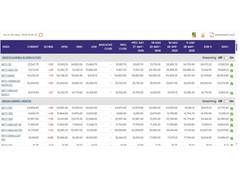
Sensex crashes 1,092 points; Nifty slips below 23,550
Indian stock markets witnessed a sharp sell-off in the final hour of trading on Friday as investors reacted to weak...

Indian markets see sharp rally at opening on global boost
Indian stock markets opened sharply higher on Monday, supported by strong gains across Asian markets and a steep...

Morgan Stanley bullish on India with strong year ahead
Indian stock markets are expected to witness a strong phase ahead as economic growth, company earnings and...
Home
About Us
Our Products
Advertise
Contact Us
Terms & Condition
Privacy Policy
Copyright © aninews.in | All Rights Reserved.
Copyright © aninews.in | All Rights Reserved.