 हिंदी खबर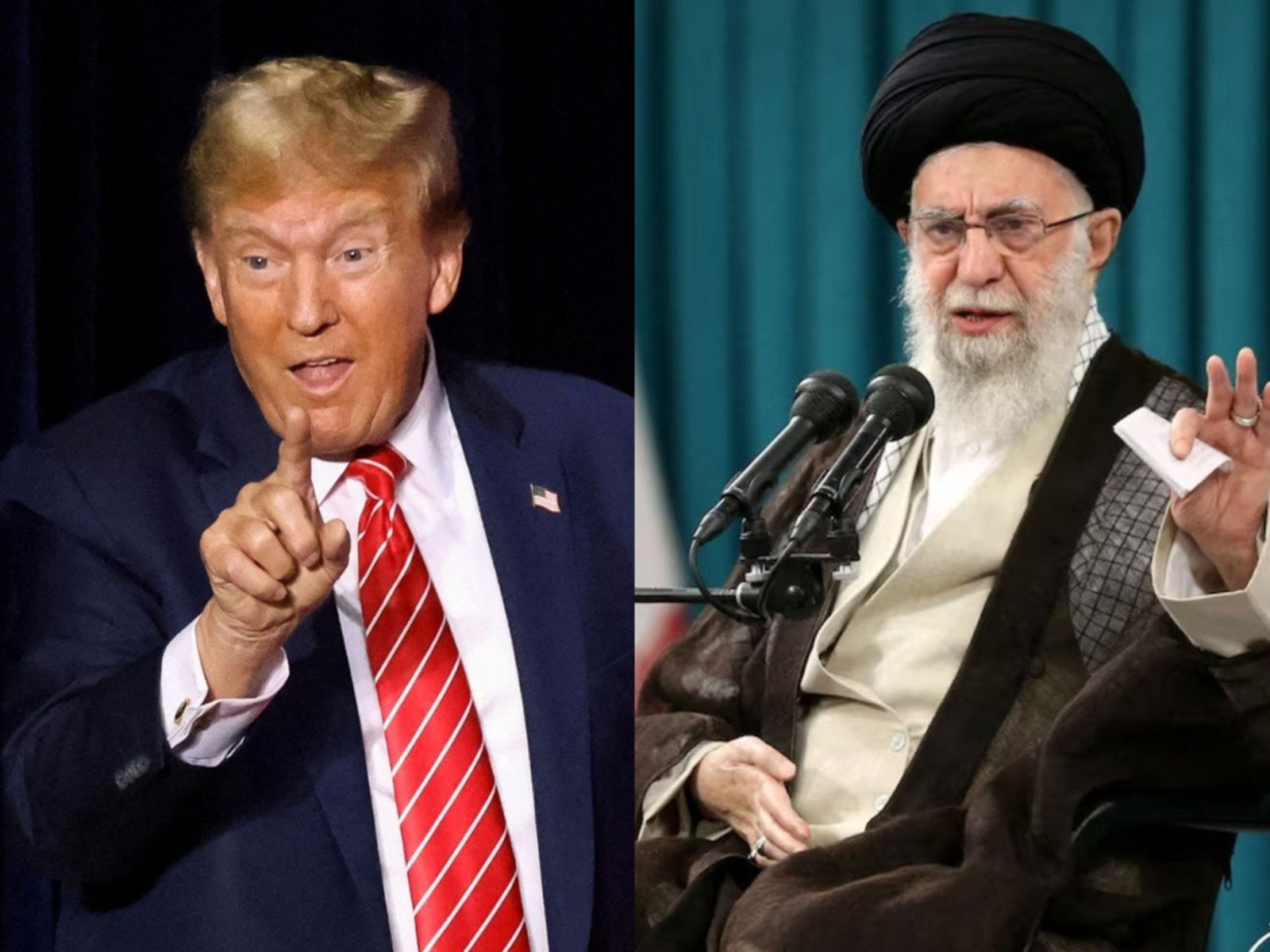

Washington DC [US], February 2 (ANI): American allies in the Persian Gulf have cautioned Washington that Iran's missile capabilities pose "a serious threat" to US interests in West Asia, even as regional partners intensify diplomatic efforts to prevent a wider conflict with potentially devastating consequences.
Iranian state broadcaster Press TV reported, citing a Sunday report by The Washington Post, that two Western officials familiar with the matter said Persian Gulf allies had warned the US that Tehran still retains key military capabilities, including the ability to strike American targets such as bases and troop concentrations across the region.
The report added that a recent assessment carried out by a US ally in the Persian Gulf found that, despite claims of damage to Iran's missile forces during last June's 12-day war with Israel, core elements of the programme remain intact, with some capacities already restored, underscoring persistent vulnerabilities across the region.
According to the assessment, Iran continues to possess shorter-range missiles, launchers, and parts of its missile production infrastructure, systems capable of reaching more than a dozen US military installations in the Persian Gulf, where tens of thousands of American troops are deployed. These findings have reinforced concerns in Washington that Iran could still mount effective retaliatory strikes should tensions escalate further.
Against this backdrop, US partners in the region have signalled reluctance to be drawn into any military confrontation. Press TV noted that last month, both the United Arab Emirates and Saudi Arabia informed Washington that US forces would not be allowed to use their territory or airspace for operations against Iran, highlighting growing unease among Gulf states over becoming direct participants in a potential conflict.
Providing further insight into Iran's preparedness, Amir Mousawi, a former Iranian diplomat now based in Iraq, told the Post that Tehran has stepped up missile production since the conflict with Israel and repaired several damaged launch systems. He added that some launchers have been relocated to mountainous terrain, complicating efforts to neutralise them.
"Iran has mountains thousands of meters high," Mousawi said. "It is not possible to reach and damage these capabilities easily."
Echoing these concerns, David Des Roches, a former Pentagon official affiliated with the Thayer Marshall Institute, said Iran maintains the largest missile arsenal in West Asia. He noted that Tehran has more missiles than the combined interceptor stocks of the Persian Gulf Cooperation Council states, adding that regional air defence systems remain only partially integrated and largely concentrated around limited sites, leaving them exposed to saturation attacks.
Iran's military posture has increasingly shaped US calculations as Washington expands its footprint in the region. US President Donald Trump had earlier threatened military action against Iran following recent economic protests inside the country, which Tehran said were quickly exploited by foreign-backed rioters. Trump urged demonstrators to seize state institutions and claimed that "help is on its way," before later shifting tone and calling on Tehran to return to negotiations and strike a nuclear deal.
Amid these developments, Leader of the Islamic Revolution Ayatollah Seyyed Ali Khamenei warned earlier in the day that any war initiated by the US against Iran would inevitably expand into a regional conflict.
Separately, Ali Larijani, secretary of Iran's Supreme National Security Council, said on Saturday that progress had been made toward building a framework for talks between Tehran and Washington, despite rising rhetoric and the threat of military escalation, signalling tentative diplomatic movement even as tensions persist.
Meanwhile, the security situation remains fragile, with US Central Command continuing to deploy warships, fighter jets, and additional troops to West Asia under what it describes as "regional security" measures.
Iran has reiterated that any act of aggression would be met with a swift and forceful response. (ANI)




