Indian students face uncertainty as US formalises rule ending flexible 'duration of status' visa system
The US has introduced a four-year cap for F-1 student and J-1 exchange visas, ending the "duration of status" system. The rule, effective September 15, also shortens post-graduation grace periods to 30 days. India is engaging with the US government to address concerns regarding the impact on its students.
ANI
Jul 18, 2026 14:51 IST

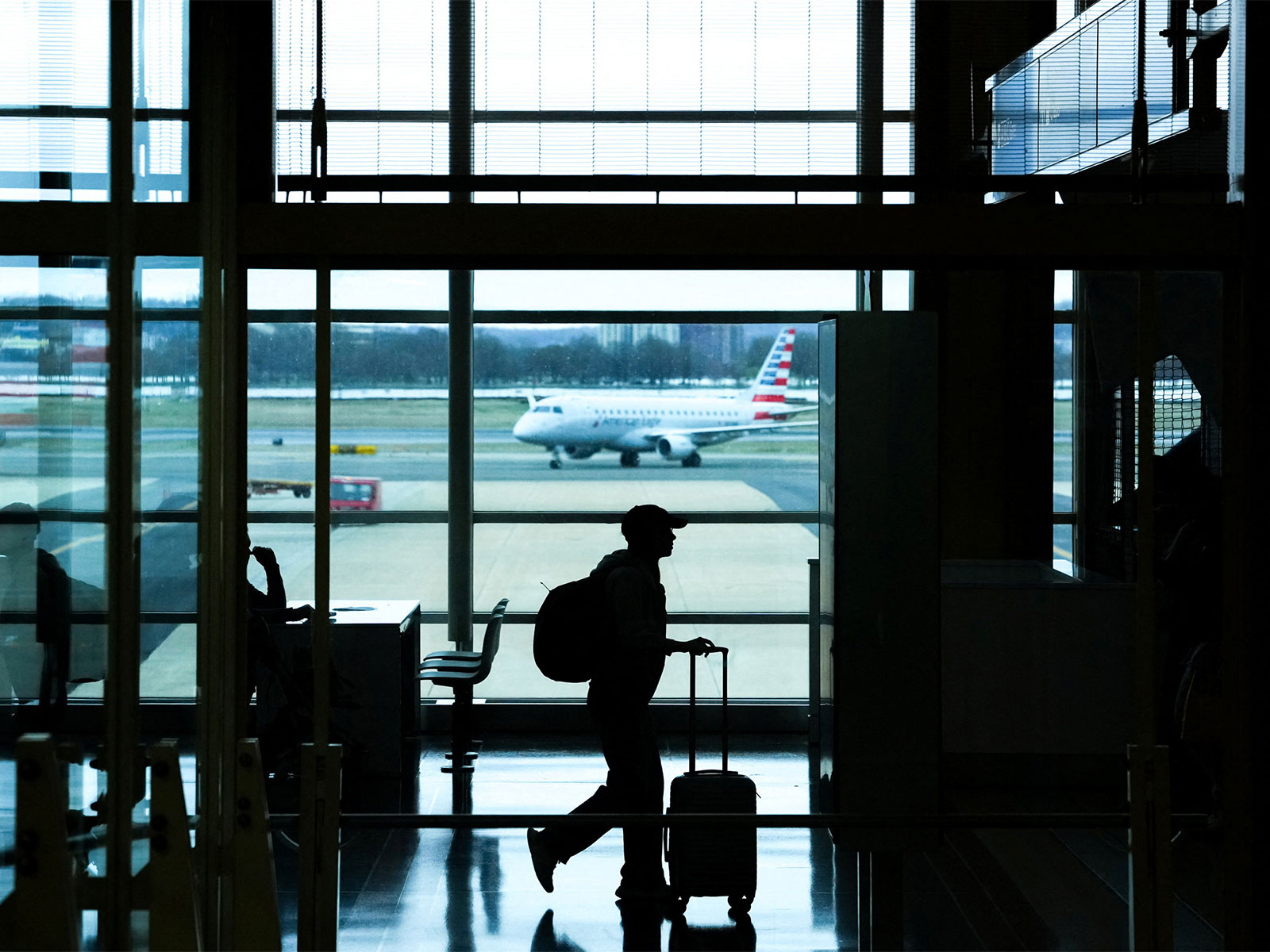
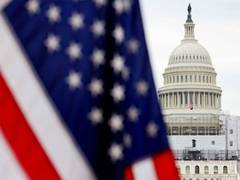
Washington, DC [US], July 18 (ANI): The US Department of Homeland Security (DHS) has formalised a strict new immigration regulation that implements a maximum four-year limit on stays for F-1 student visa holders, J-1 exchange visitors and I visa holders for foreign journalists, a move expected to heavily impact hundreds of thousands of Indian nationals.
The policy shift has triggered immense anxiety among Indian students and professionals, casting a shadow of uncertainty over their academic and career aspirations in the United States.
According to a federal release published in the Federal Register by the US Department of Homeland Security, the newly finalised framework completely abolishes the historic, flexible "duration of status" system.
Under this federal mandate, the majority of international students and exchange visitors will be permitted to remain in the US only for the specific duration of their approved academic course or programme, capped strictly at four years at a single time.
Foreign media personnel travelling on I visas will similarly be transitioned to fixed-term periods of stay.
The regulation, introduced as part of the Trump administration's broader immigration crackdown, is scheduled to take effect on September 15, 2026, though it remains subject to upcoming congressional scrutiny.
In response to the developing situation, New Delhi stated that it is actively monitoring the matter and remains in communication with Washington to safeguard the interests of its citizens.
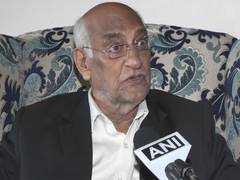
Addressing the issue during a weekly press briefing, Ministry of External Affairs (MEA) spokesperson Randhir Jaiswal affirmed that India is in contact with the American government and will consistently advocate for genuine students and travellers facing hurdles due to the policy changes.
"We've seen some reports regarding the visa rules. Visa rules and visa functions and immigration matters are sovereign functions of any state," Jaiswal said at a media briefing.
However, the MEA spokesperson emphasised India's commitment to supporting its diaspora when administrative changes create operational challenges.
"But having said that, let me tell you that as and when there are issues of difficulties, which are brought to our attention, in regard to genuine travellers [and] students, among others, who seek support from the US, we take up those issues with the US side so as to minimise the difficulties that our people face," the spokesperson added.
India currently sends the highest number of international students to the United States.
According to earlier disclosures by Jaiswal, approximately 330,000 Indian students were enrolled in American academic institutions during the 2023-24 academic year.
Beyond the student demographic, the US currently hosts roughly 500,000 J-1 exchange visitors and around 37,000 foreign media professionals on I visas.
The official publication of the new rule by the DHS occurred on July 16, setting the stage for its implementation in mid-September.
For decades, international students on F-1 visas and exchange participants on J-1 visas operated under the flexible framework of "duration of status", which allowed foreign nationals to legally remain in the US for as long as they maintained their enrolment, pursued their designated programmes and abided by standard visa regulations, without an explicit expiration date stamped on their immigration paperwork.
The updated federal guidelines stipulate that while students requiring additional time to finish their degrees can formally petition the DHS for an extension or, alternatively, exit the US and re-enter under a newly authorised period of stay, the bureaucratic process has become significantly more stringent.
Previously, individual universities held the institutional authority to extend a student's legal stay.
Under the modified system, that discretionary power has been transferred entirely to US federal immigration officials, introducing an additional layer of government scrutiny.
Furthermore, the regulation curtails the post-graduation grace period.
Previously, F-1 students were granted 60 days following graduation to depart the US, transfer to an alternative educational institution or transition to a different visa category.
The new rule slashes this window to just 30 days, while simultaneously introducing tougher barriers against switching academic programmes or transferring between schools.
The Trump administration has defended the regulatory overhaul, asserting that the measures are designed to curb the potential misuse of student visas and facilitate rigorous oversight of foreign nationals residing in the country on student and exchange visas.
This development marks another chapter in India's ongoing diplomatic interventions regarding US immigration updates.
In 2020, amidst the disruptions of the COVID-19 pandemic, Washington briefly declared that international students would be forced to leave the country if their universities moved exclusively to online instruction, a decision that drew widespread global backlash and was subsequently rescinded following representations by India and other nations.
More recently, in mid-2025, New Delhi pressed Washington to evaluate Indian student visa applications "on merit" after the Trump administration instituted a temporary suspension of visa interviews and intensified social media background checks for applicants.
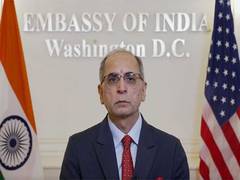
The diplomatic push occurred around the time Foreign Secretary Vikram Misri travelled to Washington for high-level bilateral discussions on technology cooperation. (ANI)
Tags:
Get the App