CENTCOM chief visits USS Tripoli in Arabian Sea amid ongoing naval blockade
US Central Command chief Admiral Brad Cooper visited the USS Tripoli in the Arabian Sea amid heightened regional tensions. The visit occurred as American forces continue to enforce a naval blockade in the Gulf of Oman, maintaining a significant military presence in the strategically vital waters.
ANI
May 03, 2026 08:55 IST

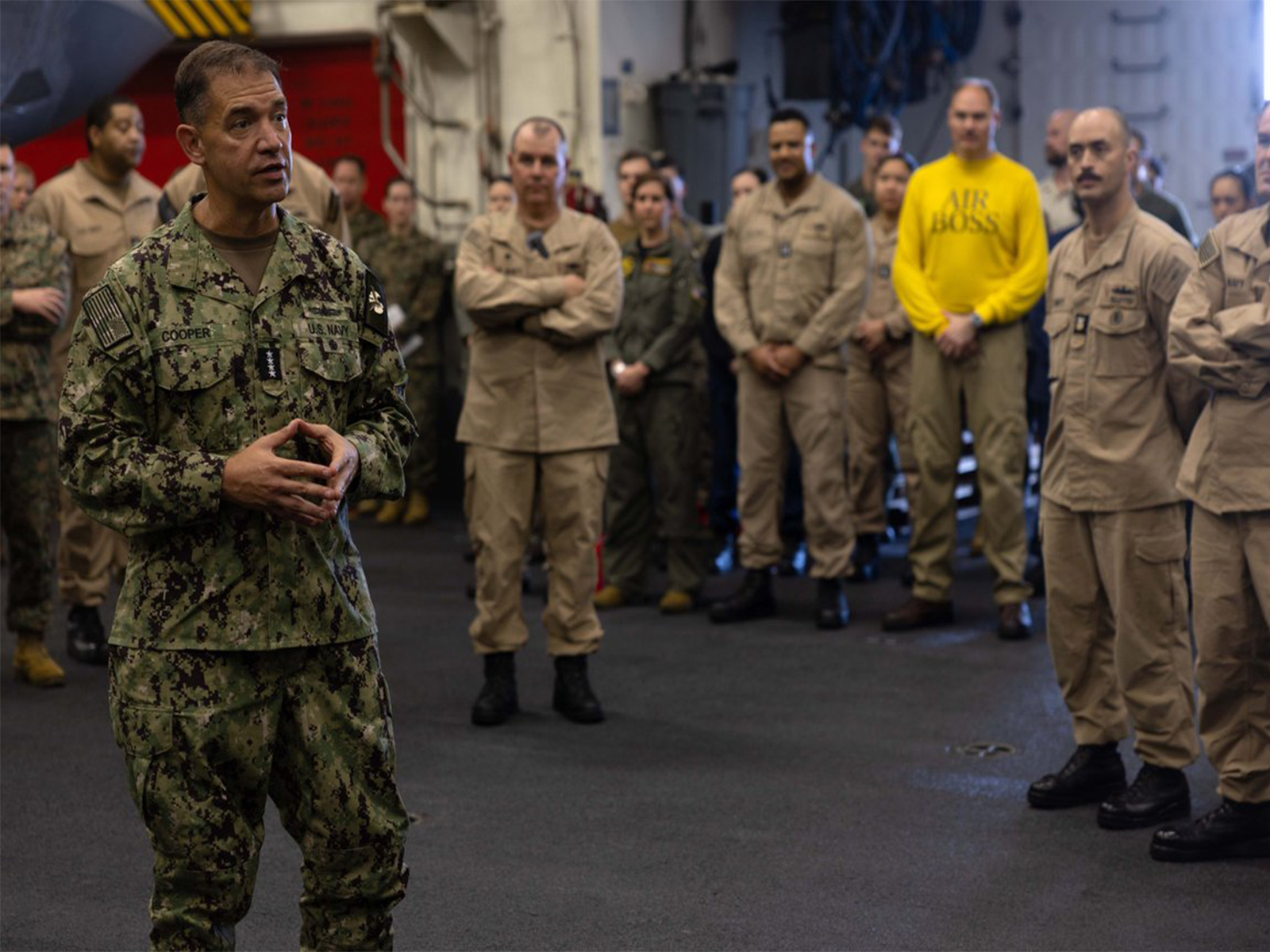
Florida [US], May 3 (ANI): US Central Command chief Admiral Brad Cooper visited sailors and Marines on board the America-class amphibious assault ship USS Tripoli in the Arabian Sea during a trip to the command's area of responsibility (AOR).
During a trip to the region earlier today, Adm. Brad Cooper, CENTCOM commander, visited Sailors and Marines aboard USS Tripoli (LHA 7) in the Arabian Sea. He interacted with service members, recognized top performers, and toured various spaces throughout the amphibious assault… pic.twitter.com/GVl23P7Pl6
— U.S. Central Command (@CENTCOM) May 2, 2026
Cooper, who oversees US military operations across the Middle East, conducted the visit as the military presence in the area remains heightened.
His presence in the region comes as the US naval blockade continues to be enforced in the Gulf of Oman, adjacent to where the USS Tripoli is currently operating.
This military activity coincides with a critical shift on the diplomatic front, as Tehran has officially replied to a US-backed nine-point initiative with a comprehensive 14-point counter-proposal, detailing its requirements for halting current hostilities, according to state media Tasnim News Agency.
The document, which was reportedly conveyed via a Pakistani intermediary, indicates the leadership's objective to transition from a temporary truce to a permanent resolution of the hostilities. Although Washington had suggested a two-month ceasefire, the counter-offer rejects a long-term truce, instead maintaining "that the issues should be resolved within 30 days."
Central to the Iranian submission are broad demands intended to alter the security and economic landscape of the territory. These involve assurances against future military hostility, the exit of US personnel from the regions neighbouring the Islamic Republic, and a cessation of what is described as a naval blockade.
The proposal further advocates for the unfreezing of capital, the settlement of reparations, and the removal of sanctions, persistent issues in the relationship between the two nations.
Expanding the framework of de-escalation, the plan calls for "ending the war on all fronts, including Lebanon," while suggesting a "new mechanism for the Strait of Hormuz" to oversee security and shipping in the vital energy corridor.
In response to these demands, US President Donald Trump noted on Truth Social that he would evaluate the fresh submission but expressed significant doubt, remarking that Tehran "has not yet paid a big enough price" for its conduct over the years.
In his post, the President stated he would shortly examine the document, though he remarked he "can't imagine that it would be acceptable."
Concurrently, friction on the high seas has intensified as Tehran accused Washington of "legalising piracy" following recent remarks by the US President. Trump had characterised American naval operations against vessels linked to the Islamic Republic as similar to piracy during the current conflict involving the US and Israel.
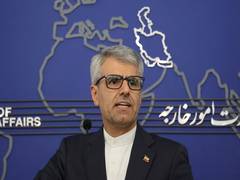
Reacting to this, Iranian Foreign Ministry spokesperson Esmaeil Baqaei stated on social media platform X that the President's comments were a "direct and damning admission" of illegal maritime activity. He urged the United Nations and the global community to dismiss these reported breaches of international maritime law.
These accusations followed statements made on Friday, where Trump noted that US forces had intercepted a vessel and its cargo, stating, "We're like pirates, but we are not playing games," in reference to the naval blockade of regional ports. He further termed the seizures "a very profitable business."
Highlighting the immediate impact of these operations, Tehran has denounced the reported capture of two tankers, Majestic X and Tifani, which were transporting oil. Officials have characterised the operation as "armed robbery on the high seas," asserting that it violates international regulations and global maritime standards. (ANI)
Tags:
Get the App