In Zimbabwe millions choose funeral insurance over pricey medical cover
Funeral insurance policies have become the dominant form of financial protection for many, even as basic healthcare costs strain household budgets.
ANI
Feb 03, 2026 00:40 IST

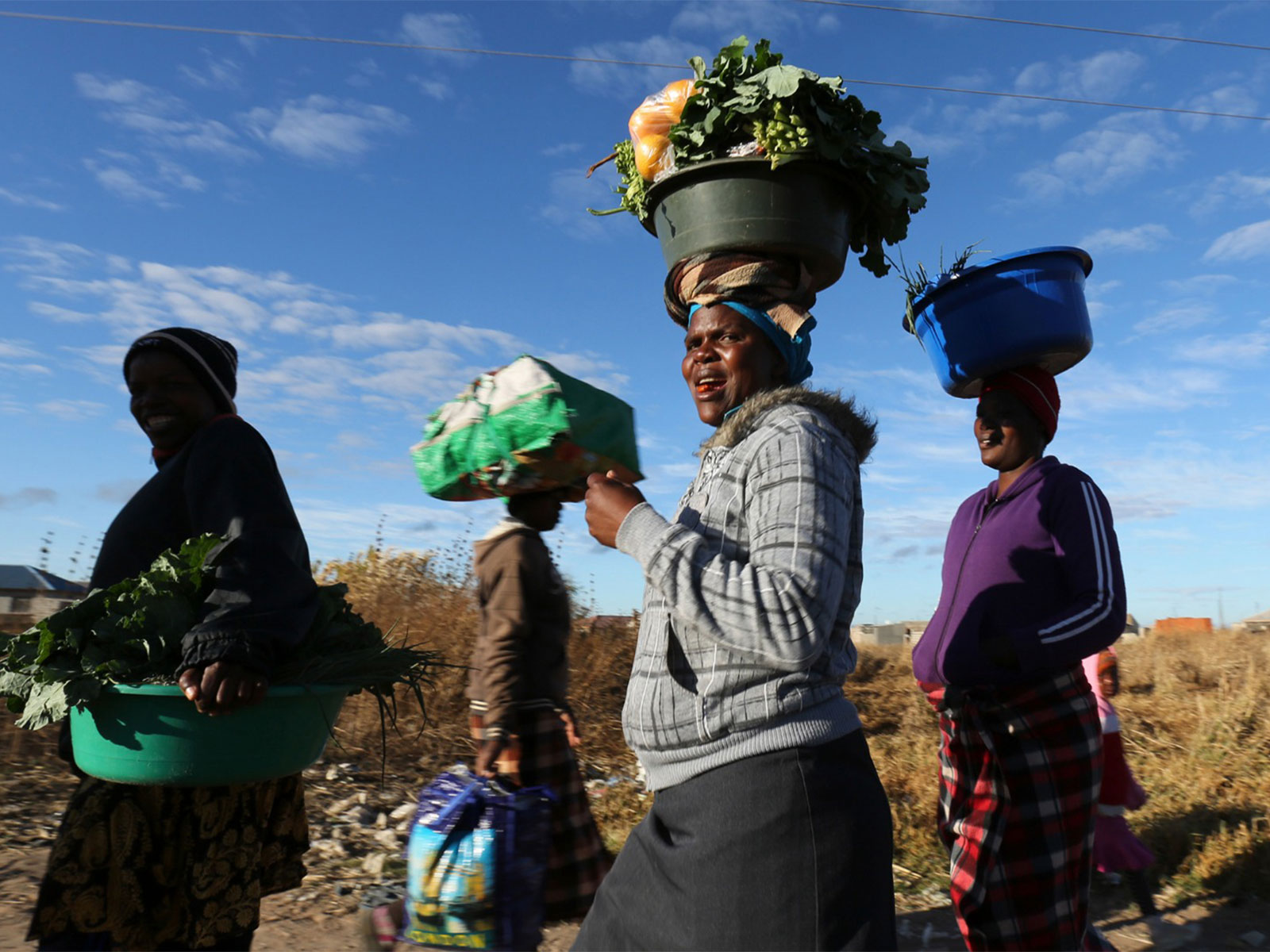
Harare [Zimbabwe], February 3 (ANI): In a striking reflection of economic hardship and shifting social priorities, millions of Zimbabweans are opting for funeral insurance rather than health coverage, a trend that highlights deepening challenges in accessing affordable medical care across the country, reported Al Jazeera.
Funeral insurance policies have become the dominant form of financial protection for many, even as basic healthcare costs strain household budgets.
The story of Steward Ganda, 60, encapsulates the dilemma facing many Zimbabweans. Suffering from a debilitating illness and unable to afford early medical intervention, he spent his final months at home in Kambuzuma, a low-income Harare suburb, before finally being admitted to hospital. His family struggled to pay a specialist consultation fee of $600, an amount far beyond their reach, and he died within a month.
"We couldn't raise that amount," Ganda's nephew Ngoni Mutambararo told Al Jazeera.
Ganda's life and death underline a growing trend: while health insurance in Zimbabwe can cost around $200 per month, a prohibitive sum for most, funeral insurance premiums often start as low as $0.75 to $1, making them far more affordable for families with limited income. As a result, funeral cover has eclipsed medical insurance as the most widely held financial product in the country, reported Al Jazeera.
Current data indicate that approximately 90 per cent of Zimbabwe's population, some 16 million people, lack health insurance and must pay medical costs out of pocket. Although some middle- and higher-income earners have access to employer-provided health coverage, fewer than 900,000 Zimbabweans are in formal employment with such benefits.
Industry insiders point to several factors driving the preference for funeral cover. Funeral expenses are seen as immediate and unavoidable, with significant cultural importance placed on dignified burial rites. "Funerals are immediate, unavoidable events that come with significant financial and communal expectations," said Innocent Tshuma, a public relations manager at a funeral services provider. "In contrast, access to comprehensive medical aid remains limited due to affordability challenges, exclusions and unpredictable out-of-pocket costs."
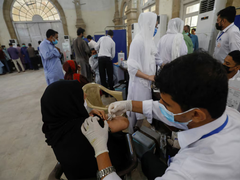
Zimbabwe's public health system, weakened by chronic underfunding, limited infrastructure, and migration of healthcare professionals, further compounds the problem. Public clinics and hospitals struggle to provide quality care, prompting many to avoid them unless absolutely necessary.
Cultural attitudes also play a role. Some Zimbabweans, like physician Vivek Solanki, note that discussing illness and preparing for medical crises can be socially taboo, while planning for death is widely accepted and prioritised.
Community responses have emerged alongside formal insurance products. Grassroots burial savings groups and informal "burial societies" help members contribute small monthly amounts to cover funeral costs, offering an alternative for those unable to afford commercial policies.
The government has acknowledged the need to expand access to health coverage and plans to launch a national health insurance scheme later this year.
For now, however, millions of Zimbabweans continue to confront the stark choice between preparing for death with affordable funeral insurance or facing potentially ruinous medical expenses without adequate protection. (ANI)
Get the App