

ADD ANI AS A TRUSTED SOURCE
googleads
Menu
Middle East

UAE committed to reducing carbon emissions from healthcare sector by 20 per cent: Report

A new report by Arthur D Little highlights the UAE's commitment to cutting carbon emissions from the healthcare sector by 20 per cent by 2030 through energy-saving measures, recycling initiatives, and waste reduction. The report aligns with the UAE's Net Zero 2050 vision and underscores the region's potential to lead in healthcare sustainability. With healthcare systems globally contributing 4.4 per cent of greenhouse gas emissions, Middle Eastern countries face unique challenges, including high energy demands and medical waste management. Experts stress the urgent need to accelerate decarbonisation in the sector to achieve ambitious sustainability targets.

ANI Dec 11, 2024 22:20 IST googleads

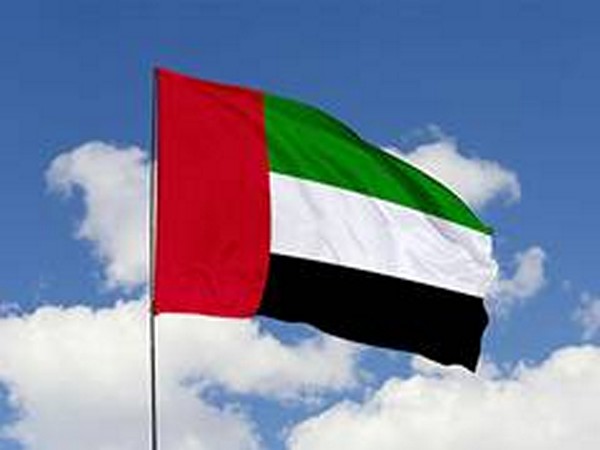
Representative Image (Photo: WAM)

Dubai [UAE], December 11 (ANI/WAM): A recent specialised report reaffirmed the UAE's commitment to reducing carbon emissions from the healthcare sector by 20 percent by 2030 through the implementation of several energy-saving measures, recycling programmes, and waste reduction initiatives.
In its latest report, The Planet Will See You Now, Arthur D Little (ADL) has presented critical insights into the growing environmental challenges and opportunities within the Middle East's healthcare sector.
ADL underscored the urgent need for healthcare organisations to adopt sustainable practices to address escalating emissions, energy consumption, and waste.
The findings present a strong case for aligning healthcare sustainability strategies with national goals, such as the UAE's Net Zero 2050 vision and Saudi Arabia's Saudi Green Initiative.
Arthur D Little's research highlights pioneering efforts in eco-friendly hospital designs, waste reduction programs, and supply chain optimisation as crucial steps to decarbonise healthcare systems across the GCC.
By embracing innovation and sustainability, the healthcare sector in the UAE and Saudi Arabia is uniquely positioned to lead the region's transition toward a greener future.
Globally, healthcare systems are responsible for 4.4 per cent of total greenhouse gas (GHG) emissions, making the sector the fifth-largest emitter worldwide. In the Middle East, emissions from healthcare facilities are estimated to be higher than the global average.
While the region benefits from modern healthcare infrastructure that incorporates advanced environmental building practices, the hot climate necessitates greater energy consumption for cooling, and medical waste management remains a significant challenge.
Ali Alessandro Ayach, Partner at Arthur D Little Middle East, said, "The UAE and Saudi Arabia are setting the stage for a sustainable healthcare revolution by embracing innovation and modern practices. However, the clock is ticking. To meet their bold national sustainability targets, the region's healthcare sector must accelerate its decarbonisation journey and push the boundaries of what's possible."
Farhan Mirza, Principal at Arthur D Little Middle East, added, "The health of our planet and the health of our people are inextricably linked. By prioritising sustainability, healthcare systems in the Middle East can drive positive outcomes for patients, reduce costs, and contribute to a more sustainable future for the region." (ANI/WAM)


Get the App

What to Read Next

US

Ending Iran's nuclear ambitions over oil profits: Trump clarifies

Ending Iran's nuclear ambitions over oil profits: Trump clarifies

In a post by the White House, President Trump, while acknowledging that the United States is currently the world's leading oil producer and stands to benefit financially from higher crude prices, emphasised that his administration's overriding mission remains the permanent dismantling of Iran's nuclear program.

Read More
Asia

Jaishankar, Indonesia’s FM exchange perspective on W Asia crisis

Jaishankar, Indonesia’s FM exchange perspective on W Asia crisis

In a post on X, Jaishankar wrote, "Pleased to talk to FM Sugiono of Indonesia. Exchanged perspectives on the West Asia conflict. Discussed bilateral ties and agreed to hold the Joint Commission meeting at an early date."

Read More
Asia

Policy delays leave Pakistan short of critical medicines

Policy delays leave Pakistan short of critical medicines

Pakistan faces a severe shortage of life-saving medicines, including cancer drugs and vaccines, due to government delays in notifying official prices. While global supply remains stable, regulatory hurdles have stalled legal imports, raising concerns over patient survival and the potential rise of unregulated, counterfeit medicines.

Read More
Asia

Hardships grow as Pakistan tightens its grip in Balochistan 

Hardships grow as Pakistan tightens its grip in Balochistan 

Residents in Balochistan's Zehri and Surab regions are facing a severe humanitarian crisis due to a four-day curfew and military operations. The Baloch Yakjehti Committee reported acute food shortages, blocked healthcare access, and alleged house raids by security forces, urging international bodies to investigate these fundamental rights violations.

Read More
US

"Unjust and unlawful": Iran rejects UNSC resolution

Iran's UN envoy rejected a Security Council resolution, calling it an "unjust and unlawful" document that serves political agendas. He defended Iran's military response as a "right to self-defence" following the killing of Ayatollah Khamenei and strikes on civilian infrastructure, urging full accountability for the aggressors.

Read More
Home About Us Our Products Advertise Contact Us Terms & Condition Privacy Policy

Copyright © aninews.in | All Rights Reserved.


