Posthumous sperm retrieval offers solace to bereaved families in Israeli war
In the wake of a devastating Hamas attack in Israel, a poignant ray of hope emerges as families grieving the loss of their loved ones find solace through an unexpected avenue--posthumous sperm retrieval (PSR).
ANI
Dec 02, 2023 10:13 IST

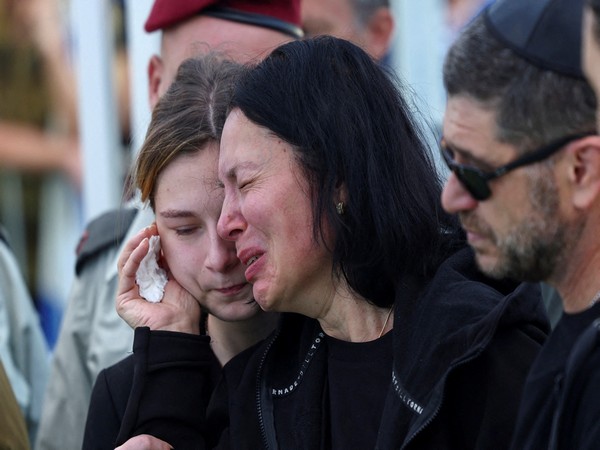
Tel Aviv [Israel], December 2 (ANI): In the wake of a devastating Hamas attack in Israel, a poignant ray of hope emerges as families grieving the loss of their loved ones find solace through an unexpected avenue--posthumous sperm retrieval (PSR), CNN reported.
Posthumous sperm retrieval (PSR) is a procedure that involves collecting sperm from a deceased person. The sperm can be used later to attempt pregnancy.
At Kaplan Hospital in Israel, Professor Shir Daphna-Tekoah, a medical social worker, found herself grappling with an unprecedented crisis on October 7, the day of Hamas attack on Israeli farms, villages, and a music festival. Tasked with addressing the aftermath, she faced the immense challenge of supporting victims and their families.
Daphna-Tekoah, also head of the hospital's rape crisis centre, was initially called in due to reports of sexual assaults, but the emergency room quickly became overwhelmed with the injured.
"I've seen dozens of people killed in accidents or shootings, but this was the hardest thing I've done in my life," Daphna-Tekoah recounted. The horror and grief were palpable as she assisted families bidding farewell to their young loved ones, some no older than 23 or 24, according to CNN.
In the midst of such tragedy, Daphna-Tekoah found a glimmer of hope when she posed an unconventional question to one grieving family: "Would you like me to find out about sperm preservation?"
The suggestion aimed at exploring the possibility of PSR, a process that involves extracting sperm from the deceased.
The urgency and gravity of the situation prompted Daphna-Tekoah to swiftly approach hospital management. Within hours, legal approvals were obtained, and by the following morning, the sperm of several victims from the Nova festival had been successfully retrieved. Over seven weeks later, Israeli hospitals have been inundated with requests for cryogenically freezing the sperm of those who lost their lives in the conflict.
The Ministry of Health has played a pivotal role in facilitating this process by cutting through red tape. The ministry's recent directive instructs hospitals to approve requests for PSR from the deceased's parents during the ongoing conflict, bypassing the need for family court intervention.
Posthumous sperm retrieval involves retrieving live sperm from testicular tissue within a limited timeframe, typically 44 to 45 hours after death. Dr Noga Fuchs Weizman, the medical director of the sperm bank and male infertility unit at Tel Aviv's Ichilov Hospital, noted a surge in demand for the service since October 7. The Israel Defence Forces (IDF) actively propose this option to bereaved families when informing them of their loss, as reported by CNN.
The case of Israeli singer Shaylee Atary garnered attention after her husband was killed during the attacks. Atary, in her efforts to retrieve her husband's sperm, highlighted the emotional complexities surrounding such decisions.
The initiative for sperm retrieval is meticulously overseen by the Ministry of Health, which allocates cases to four hospitals. Timing is critical, with live sperm detection most likely within the first 24 hours after death. The process involves freezing any viable sperm cells in liquid nitrogen for potential future use.
While science and technology offer a glimmer of hope for grieving families, ethical considerations loom large. Gil Siegal, head of the Centre for Health Law and Bioethics at Kiryat Ono College in Israel, acknowledged the country's pioneering role in reproductive medicine. However, he cautioned against hasty policy decisions and emphasised the need for thoughtful deliberation on the implications of posthumous parenthood.
As Israel navigates this uncharted territory, balancing grief, science, and ethics, the legacy of those lost in the conflict takes on new dimensions.
For Daphna-Tekoah, the imperative is clear, "If, as a country, we encourage people to donate organs after death, why aren't we giving people the right to donate sperm? It's their human right. It was a catastrophe, and we owe it to them," CNN reported. (ANI)
Tags:
Get the App