Netanyahu proposes Mediterranean pipeline rerouting as long-term Hormuz fix
"Long-term solutions include rerouting energy pipelines westward, across Saudi Arabia to the Red Sea and Mediterranean, bypassing Iran's geographic choke point," Netanyahu told Newsmax, stressing the need to reduce reliance on the Strait.
ANI
Mar 31, 2026 08:50 IST

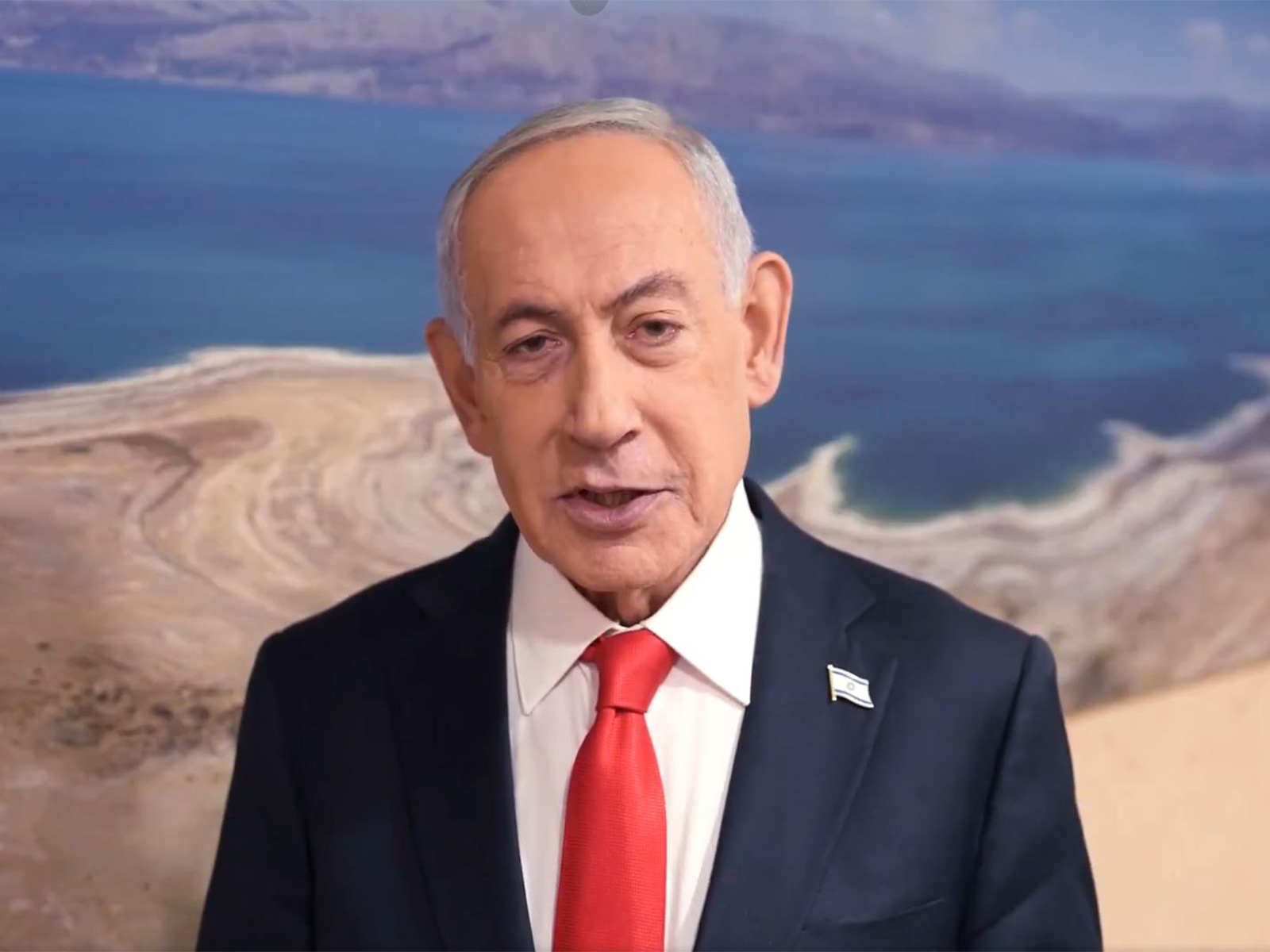
Tel Aviv [Israel], March 31 (ANI): Israeli Prime Minister Benjamin Netanyahu has suggested that rerouting energy pipelines toward the Mediterranean could serve as a long-term solution to the vulnerabilities surrounding the Strait of Hormuz, according to an interview with Newsmax.
"Long-term solutions include rerouting energy pipelines westward, across Saudi Arabia to the Red Sea and Mediterranean, bypassing Iran's geographic choke point," Netanyahu told Newsmax, stressing the need to reduce reliance on the Strait.
The Strait of Hormuz remains one of the world's most critical energy transit chokepoints, handling about 20 per cent of global oil exports. It is bordered by Iran on one side and Saudi Arabia, the United Arab Emirates (UAE), and Oman on the other.
Netanyahu noted that Iran's position gives it the ability to threaten global energy flows, particularly during periods of conflict. "A military solution might offer short-term stability," he said, but indicated that a deal or structural shift that diminishes the Strait's importance would be more effective in the long run.
According to the Newsmax interview, Netanyahu suggested that building alternative overland routes for oil and gas exports could ultimately reduce Iran's strategic leverage over global energy markets.
Meanwhile, Iran's Parliament Security Committee on Monday (local time) approved the Strait of Hormuz Management Plan, which includes measures to impose tolls on vessels passing through the strategic waterway, as reported by Iranian state media, Islamic Republic of Iran Broadcasting (IRIB).
According to the IRIB, a member of the National Security Commission announced that the plan was formally approved, detailing key areas of focus, including security arrangements for the Strait, ship safety, environmental protection, financial arrangements, and the implementation of a rial-based toll system.
The plan also explicitly bans passage for American and Israeli vessels, reinforces the sovereign role of Iran and its armed forces, and outlines cooperation with Oman in establishing the legal framework for the Strait. Additionally, it prohibits passage for countries participating in unilateral sanctions against Iran, as reported by IRIB.
The approved measures come amid ongoing conflict in West Asia between Iran and the US-Israeli coalition, currently in its second month, and reflect Tehran's efforts to assert control over one of the world's most critical maritime chokepoints, through which a significant portion of global oil shipments transit.
Meanwhile, the White House on Monday (local time) claimed the recent movement of oil tankers through the Strait of Hormuz, despite a virtual blockage amid the West Asia conflict, saying it was a result of ongoing direct and indirect talks between the United States and Iran.
It credited diplomatic efforts led by US President Donald Trump.
Addressing a press briefing, White House Press Secretary Karoline Leavitt rejected claims that Iran is selectively allowing certain tankers to pass or imposing informal controls over maritime traffic.
"That's not something we support, and I would reject that they are cherry-picking. In fact, these tankers that are moving through - the 10 that were previously announced and now the new 20, the announcement of 20 additional tankers, which we expect to see over the coming days - are a result of the direct and indirect talks that are taking place between the United States and Iran," she claimed.
Leavitt further insisted that such tanker movements would not have been possible without sustained diplomatic engagement by the US administration led by Trump. (ANI)
Tags:
Get the App