Liver fat, not weight, predicts health risks in children with obesity, scientists say
New research shows that liver fat, rather than bodyweight, is the key factor predicting which children with obesity will develop serious health problems, Israeli scientists announced on Sunday.
ANI
Sep 29, 2025 05:57 IST

Tel Aviv [Israel], September 29 (ANI/TPS): New research shows that liver fat, rather than bodyweight, is the key factor predicting which children with obesity will develop serious health problems, Israeli scientists announced on Sunday.
A study by Tel Aviv University and the Dana Dwek Children's Hospital in Tel Aviv suggests that obesity in children does not automatically spell poor health. Instead, researchers found that the amount of fat in the liver -- not bodyweight alone -- may be the key factor in predicting whether obese children develop serious illnesses. Fatty liver in children can lead to type 2 diabetes, high blood pressure, cardiovascular disease, and even liver cirrhosis later in life.
The team examined 31 Israeli children with obesity, seeking to understand why some develop metabolic complications while others remain healthy. They discovered that children already showing signs of illness had livers composed of 14 per cent fat on average--more than twice the 6 per cent seen in obese children who remained metabolically healthy.
"This is a cross-sectional study, which means we looked at the children thoroughly at one point in time rather than following them over the years," said doctoral student Ron Sternfeld. "We can only indicate correlation, not causation, but the results are striking. They show that some children with obesity can remain metabolically healthy despite their weight."
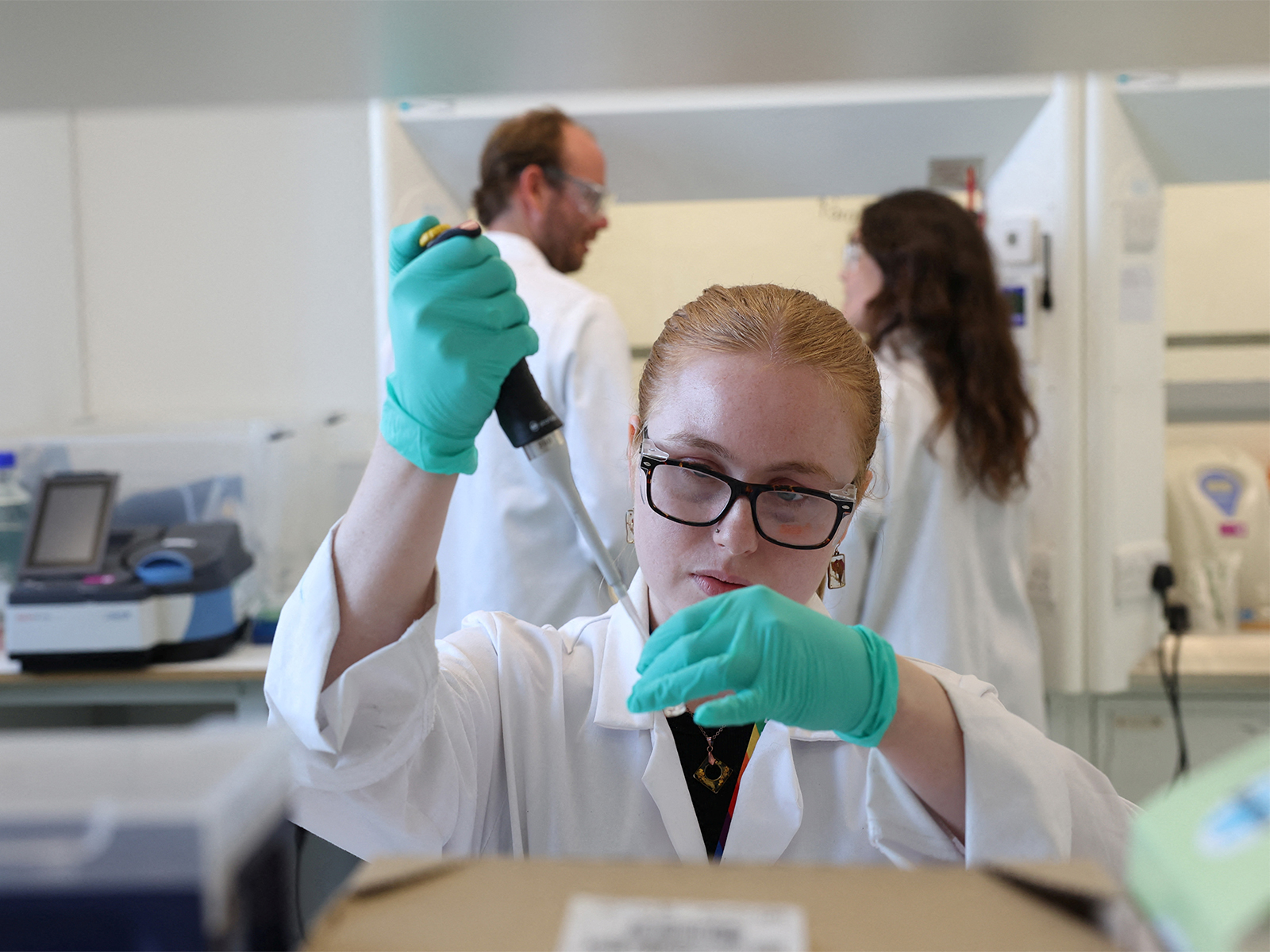
The team used advanced magnetic resonance spectroscopy (MRS) to measure liver fat directly and non-invasively during MRI scans, one of the few studies to apply this method in children. Alongside MRS, the researchers conducted a wide range of medical tests and reviewed the children's records from the prenatal stage onward.
Interestingly, other commonly cited risk factors, such as visceral fat around internal organs, did not differ significantly between healthy and unhealthy children. "We checked many different criteria and found no difference between the two groups," Sternfeld said. "The biggest difference was liver fat. Fatty liver -- more than 5.5 per cent fat in the liver -- is linked to diabetes, high blood pressure, sleep apnea, and more. To our surprise, some obese children do not have fatty liver."
Prof. Yftach Gepner, who led the study, said the findings shift the focus from weight alone to diet quality. "Children who were already ill consumed more sodium, processed foods, and certain saturated fats from animal protein--mainly red meat," Gepner explained. "This suggests that protecting liver health through diet can help prevent metabolic illness, even if a child remains obese. A Mediterranean-style diet may offer significant protection."
Prenatal factors also appear to play a role. Children in the "unhealthy obesity" group were three times more likely to have been born following high-risk pregnancies than their healthy counterparts, highlighting the complex interaction between early-life factors and later metabolic health.
"We found that children with obesity can be healthy," Gepner said. "Even if reducing food intake or weight is difficult, we can still protect their health by improving the nutritional quality of their diet and reducing liver fat. The liver is the most important metabolic organ, and monitoring it should be central to preventive medicine."
The study suggests practical ways to protect children with obesity. Improving diet quality--reducing processed foods, sodium, and saturated fats--can limit liver fat. Early screening using non-invasive imaging can identify at-risk children, while targeted care with nutrition counselling and physical activity guidance may help prevent diabetes, high blood pressure, and other obesity-related illnesses. (ANI/TPS)
Get the App