World Health Organisation adopts first global Pandemic Agreement
In a move aimed at safeguarding global health, Member States of the World Health Organisation (WHO) have unanimously adopted the world's first Pandemic Agreement at the 78th World Health Assembly.
ANI
May 20, 2025 17:25 IST

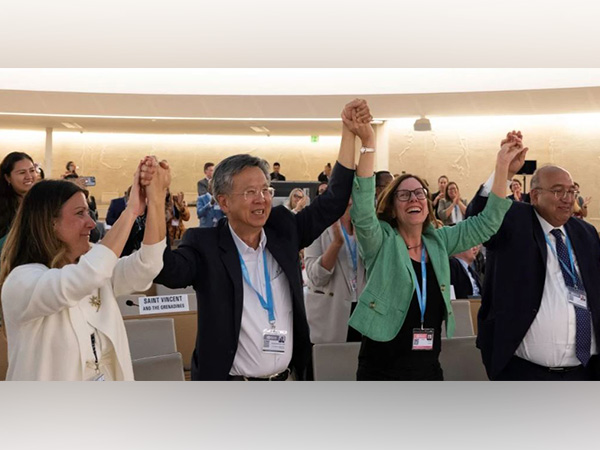
Geneva [Switzerland], May 20 (ANI): In a move aimed at safeguarding global health, Member States of the World Health Organisation (WHO) have unanimously adopted the world's first Pandemic Agreement at the 78th World Health Assembly.
The agreement seeks to boost international coordination and ensure equitable access to life-saving tools during future pandemics, while reaffirming respect for national sovereignty in public health decisions.
In a press release on Tuesday, the WHO said, "Member States of the World Health Organisation (WHO) today formally adopted by consensus the world's first Pandemic Agreement. The landmark decision by the 78th World Health Assembly culminates more than three years of intensive negotiations launched by governments in response to the devastating impacts of the COVID-19 pandemic, and driven by the goal of making the world safer from - and more equitable in response to - future pandemics."
Tedros Adhanom Ghebreyesus, WHO Director-General, hailed the agreement as a victory for public health and said it will safeguard the world from future pandemic threats.
"The world is safer today, thanks to the leadership, collaboration and commitment of our Member States to adopt the historic WHO Pandemic Agreement. The Agreement is a victory for public health, science and multilateral action. It will ensure we, collectively, can better protect the world from future pandemic threats. It is also a recognition by the international community that our citizens, societies and economies must not be left vulnerable to again suffer losses like those endured during COVID-19," Ghebreyesus said.
The governments adopted the WHO Pandemic Agreement today in a plenary session of the World Health Assembly, WHO's peak decision-making body. The adoption followed yesterday's approval of the Agreement by vote (124 in favour, 0 objections, 11 abstentions) in Committee by Member State delegations.
The WHO Pandemic Agreement sets out the principles, approaches, and tools for better international coordination across a range of areas, strengthening the global health architecture for pandemic prevention, preparedness, and response. This includes equitable and timely access to vaccines, therapeutics, and diagnostics.
Regarding national sovereignty, the Agreement stated, "Nothing in the WHO Pandemic Agreement shall be interpreted as providing the Secretariat of the World Health Organisation, including the Director-General of the World Health Organisation, any authority to direct, order, alter or otherwise prescribe the national and/or domestic law, as appropriate, or policies of any Party, or to mandate or otherwise impose any requirements that Parties take specific actions, such as ban or accept travellers, impose vaccination mandates or therapeutic or diagnostic measures or implement lockdowns." (ANI)
Tags:
Get the App