WHO chief warns Afghanistan's healthcare system on brink of collapse
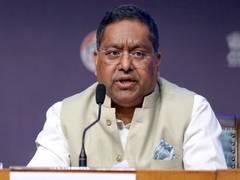
Kabul [Afghanistan], September 22 (ANI): WHO Director-General Tedros Adhanom Ghebreyesus on Wednesday warned that Afghanistan's healthcare system is on the brink of collapse.
ANI
Sep 22, 2021 21:49 IST

Kabul [Afghanistan], September 22 (ANI): WHO Director-General Tedros Adhanom Ghebreyesus on Wednesday warned that Afghanistan's healthcare system is on the brink of collapse.
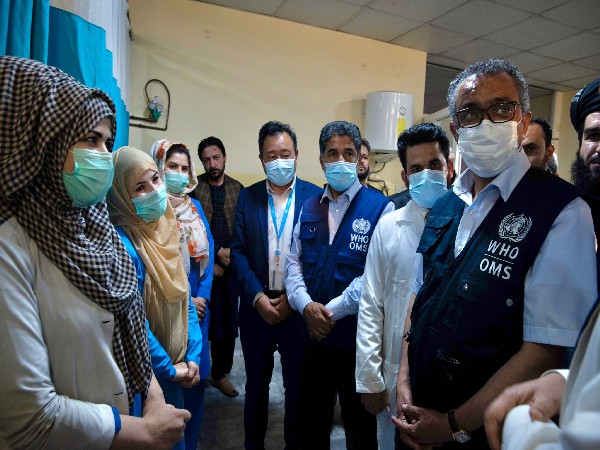
He made the remark after completing a high-level mission to Kabul where we met with senior members of the Taliban leadership, UN partners, health care workers and patients, and WHO staff.
This came as the UN's top humanitarian official, Martin Griffiths, announced the release of USD 45 million from an emergency fund to support the healthcare system in the troubled country.
"Allowing Afghanistan's healthcare delivery system to fall apart would be disastrous," said Griffiths. "People across the country would be denied access to primary healthcare such as emergency caesarean sections and trauma care."
After completing his visit, the WHO chief said that international funding cuts had forced health providers to decide "who to save and who to let die".
"Afghanistan's health system is on the brink of collapse. Unless urgent action is taken, the country faces an imminent humanitarian catastrophe. Our visit allowed us to witness the immediate needs of the Afghan people firsthand and meet with stakeholders to define ways to urgently scale up our health response," he said.
Tedros stated that a lack of financial support for the country's largest health project, Sehetmandi, had left thousands of facilities unable to buy medical supplies and pay salaries. Fewer than one in five of the country's Sehetmandi facilities remained open, the WHO chief added.
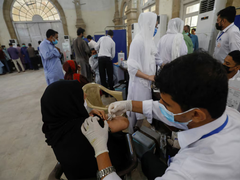
"This breakdown in health services is having a rippling effect on the availability of basic and essential health care, as well as on emergency response, polio eradication, and COVID-19 vaccination efforts," he said.
He also noted that nine of 37 COVID-19 hospitals have already closed, and that "all aspects" of the country's COVID-19 response have dropped off, from surveillance to testing and vaccination.
Over the lack of women representations in the interim cabinet in Afghanistan, Tedros stressed that women needed access to education, health care, and the health workforce.
"With fewer health facilities operational and less female health workers reporting to work, female patients are hesitant to seek care," he said. "We are committed to working with partners to invest in the health education of girls and women, as well as continue training female health workers." (ANI)
Get the App