"The issue is coercion, not belief": Humanist Dina Perla Portnaar on blasphemy laws in Pakistan, Bangladesh and Iran
In an interview with ANI, Portnaar addressed the moral and ethical dilemmas surrounding religious legislation and the recent testimonies from Bangladesh, Pakistan, and Iran.
ANI
Feb 27, 2026 23:39 IST

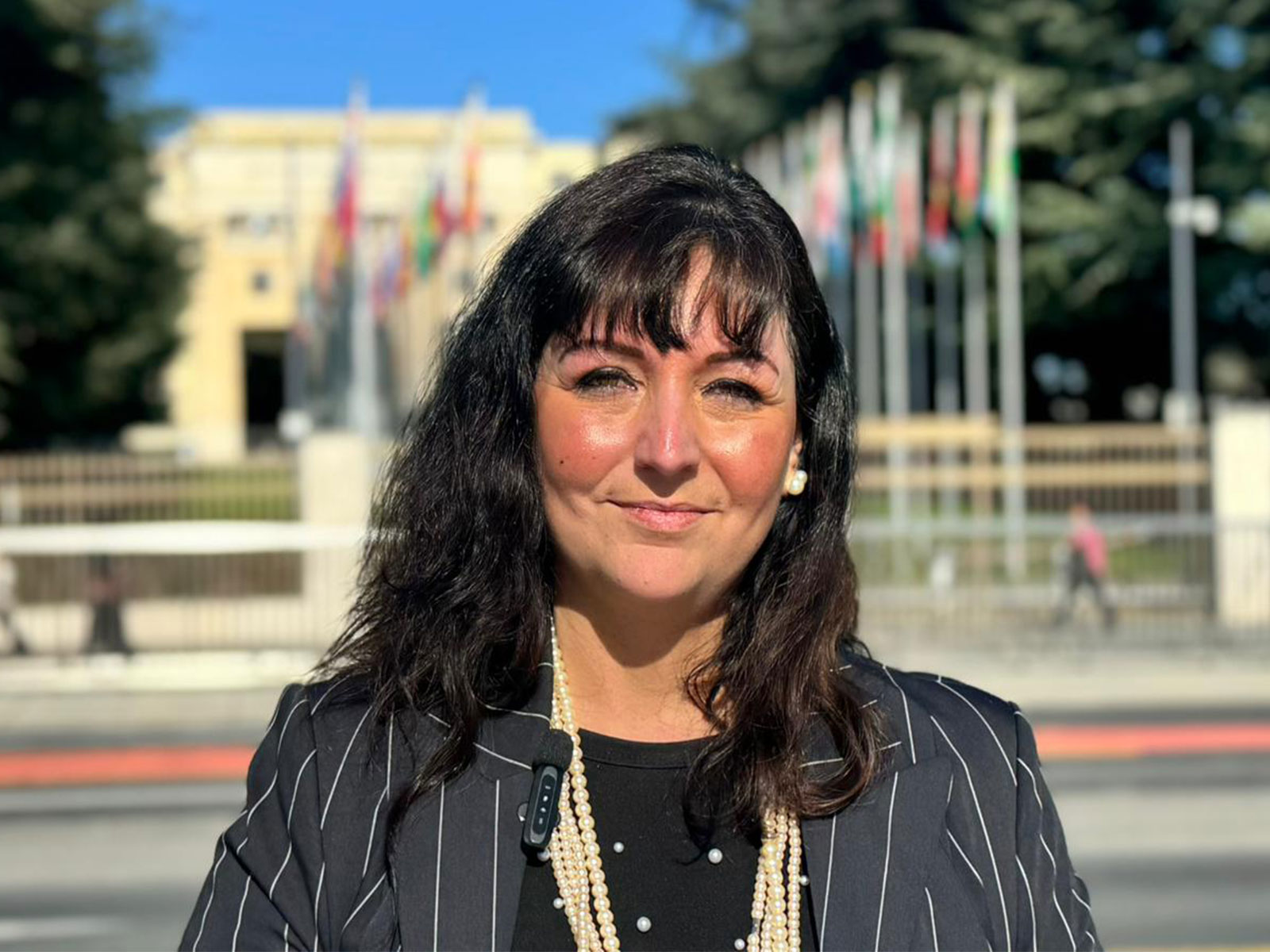
Geneva [Switzerland], February 27 (ANI): Highlighting the erosion of human rights as a global concern, Dina Perla Portnaar, an acclaimed author, speaker, and humanist, cautioned that the patterns of persecution seen in Asia could easily manifest in Europe and beyond.
In an interview with ANI, Portnaar addressed the moral and ethical dilemmas surrounding religious legislation and the recent testimonies from Bangladesh, Pakistan, and Iran.
"Now, the best thing is to understand that freedom of religion, of belief, and freedom of expression, or freedom in general, is not against each other. In fact, they should reinforce each other, but it's a big dilemma because the blasphemy laws are used perfectly, as they should be, but they're also used to pressure minorities under the pretence of using these blasphemy laws," she stated.
Connecting this dilemma to state accountability, Portnaar underscored that the central issue is one of "coercion," noting that such pressure is "sometimes enforced even by governmental bodies", with consequences ranging from "persecution and exclusion and extortion and all sorts of breaches of human rights and then even death".
She noted that while the discussion touched on "Article 18" and international law, her focus remains on "morals, ethics and integrity, or simply put, the grey areas or moral dilemmas".
Providing a broader perspective by referencing data from the World Economic Forum and Statista, she questioned why human rights appear to be declining as a global priority in long-term risk analysis.
"On the list of global risks for the coming two years, we can still see erosion of human rights and erosion of freedom," she noted, but expressed concern that in ten-year forecasts, these risks seem to vanish.
"How is that possible? I don't understand. It doesn't make sense with everything that is going on at the moment, and I don't buy it," Portnaar remarked.
Drawing parallels between different regions to show that peaceful coexistence is possible, she pointed to Malaysia as an example where "Muslim countries can be different" and "can live peacefully", while contrasting this with other areas of the world where coercion occurs.
She warned that the international community must remain vigilant regardless of geography, stating, "The realisation that we need is that what is happening in the areas that we talked about today can easily happen in Europe. It can happen in the Netherlands. It can happen in Portugal," she cautioned, adding, "those blasphemy patterns are not simply within a specific region and a specific border. End of story."
Portnaar, who noted she was "born within a minority" herself, issued a call to action.
"And this is why I'm here. I'm here to wake people up. I'm here because I'm not asleep," she said.
Emphasising that religious legislation is frequently weaponised to maintain political control, Portnaar further stated that blasphemy laws across Asia have become "mechanisms through which religious minorities are silenced, discriminated, criminalised, or rendered vulnerable to violence".
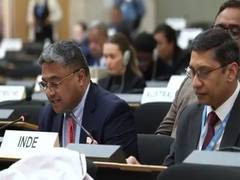
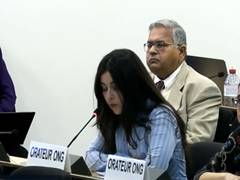
This perspective was shared during a high-level side event, titled "Blasphemy Laws and the Persecution of Minorities in Asia: Human Rights Implications and Paths Forward", during the 61st UNHRC session.
The session, organised by Global Human Rights Defence (GHRD), focused on the systemic targeting of communities including Christians, Hindus, and Ahmadis in Pakistan, the Baha'i in Iran, and women in Afghanistan.
Reiterating her stance to ANI, Portnaar underscored that the fundamental issue at hand is not faith itself, but the use of force.
"The issue before us is not belief. The issue is coercion," she remarked.
She further noted that while international law, like Article 18, protects the absolute freedom of thought, the application of blasphemy laws in certain states is "unjust, unnecessary and disproportional," effectively becoming the "criminalisation of identity."
Portnaar highlighted this dangerous shift from protecting faith to enforcing state-sanctioned doctrine, noting, "The freedom to believe is not the freedom to dominate. And when states codify one religious interpretation into law -- particularly in ways that target minority communities -- they cross the line from protecting belief to enforcing orthodoxy."
Reflecting on the severe human cost of such policies, she pointed out that these laws create a "chilling effect that silences dissent and debate", where punishment is often delivered not just by courts, but by "mobs, social ostracism, forced displacement, and impunity."
Regarding the international landscape, Portnaar challenged the global community to move past the fear of cultural insensitivity.
"When the international community hesitates to address these laws out of fear of appearing culturally insensitive, minorities are left without protection," she cautioned.
She added that the United Nations must affirm that "protecting freedom of religion does not mean shielding religious doctrines from scrutiny".
Portnaar reminded the forum that these legal frameworks are ultimately about control rather than divinity.
"If blasphemy laws are used to silence minorities, then they are no longer about faith. They are about power. And power without accountability is precisely what human rights law was designed to restrain," she stated. (ANI)
Tags:
Get the App