 हिंदी खबर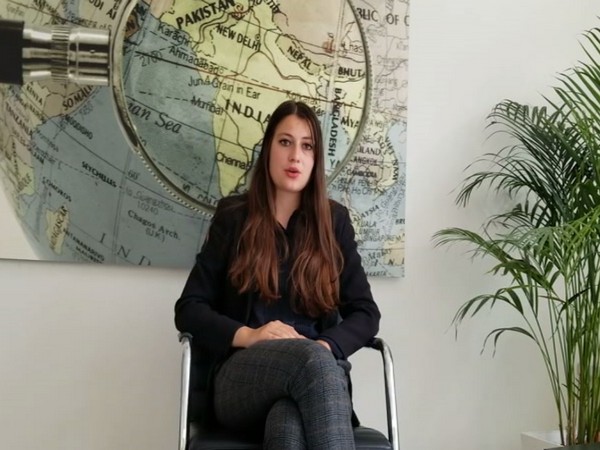

Amsterdam, [Netherlands] June 22 (ANI): Terrorist groups like the Islamic State (ISIS), Lashkar-e-Taiba and the Taliban to name a few have been using social media and their digital publications to influence the youth and lure them towards so-called `jihad', says Yoana Barakova, a research analyst associated with Amsterdam-based the European Foundation for South Asian Studies (EFSAS).
Highlighting the interlink between the online space and Islamist radicalization, a research paper by EFSAS says that the mass use of the Internet and social media has obscured the borders of extremism and has imposed an undeniable menace to global peace.
According to the EFSAS report, the information sharing has assisted in the dissemination of extremist beliefs across the globe at a faster pace and has appeared as an important tool in the radicalisation of individuals and their subsequent recruitment as terrorists.
Yoana told ANI, "In particular, looking closely at Al-Qaeda and Islamic State, the report explains how both groups are focusing on the vilification of the West, encouragement to Muslims to engage in `jihad' and the branding of those who believe in the idea of `kafirs' or disbeliever".
She added, "Lashkar-e-Taiba and its political wing Jamaat-ud-Dawa, have also established a cyber team which is responsible for the dissemination of its narratives online".
Highlighting the precision of terrorist groups in misusing the internet, Yoana Barakova says that the extensive and cunning use of the internet by Lashkar-e-Taiba terrorists in 2008 Mumbai attacks directly helped them in taking decisions in real-time.
The research analyst said, "A few of the strategies that they apply is the establishment of social media workshops both online and offline trying to teach and recruit and lure vulnerable youths into joining their ranks. They further develop even mobile applications and games such as the once called the age of jihad which is in a very modernizing and glamourising way is able to explain the objectives of the group".
She also believes that extremist activities have become harder to detect and predict, making traditional law enforcement techniques alone insufficient to deal with these trends, particularly in relation to tackling the root causes of the problem.
Therefore, with the rise of terrorist incidents related to online radicalisation, generating counter and alternative narratives and promoting media literacy strategies appear vital to the protection of human rights, freedom of expression, universal access to information and intercultural dialogue.
The intricate media and information landscape are in need of critical minds in the public in order to continue to serve its purpose properly.
Yoana said, "More attention should be paid to critical online content analysis in order to strengthen young people's safeguarding mechanisms vis-a-vis extremist messages".
"Whatever one's mind consumes has a direct impact on their life. Therefore, government, community- and civil society bodies should encourage young people, especially those highly susceptible to radicalisation, to deflate the heroic narrative of Islamic `jihad' produced by terrorist groups, question the origins and intentions of the information they read online, gain theoretical basis and practical skills in recognising signs of radicalisation and preventing its spread, and leverage the influential role of communication technologies to promote the inclusive and egalitarian civic engagement online and offline in their pluralistic societies," said EFSAS research analyst. (ANI)


