World Aids Day: WHO SEARO highlights achievements of region, calls to transform response with innovation
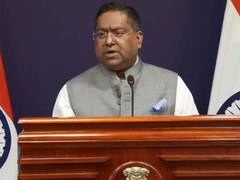
On World AIDS Day 2025, Catharina Boehme, Officer-in-Charge, WHO South-East Asia highlighted how the region stands united with governments, partners, and communities under the theme "Overcoming disruption, transforming the AIDS response."
ANI
Dec 01, 2025 10:45 IST

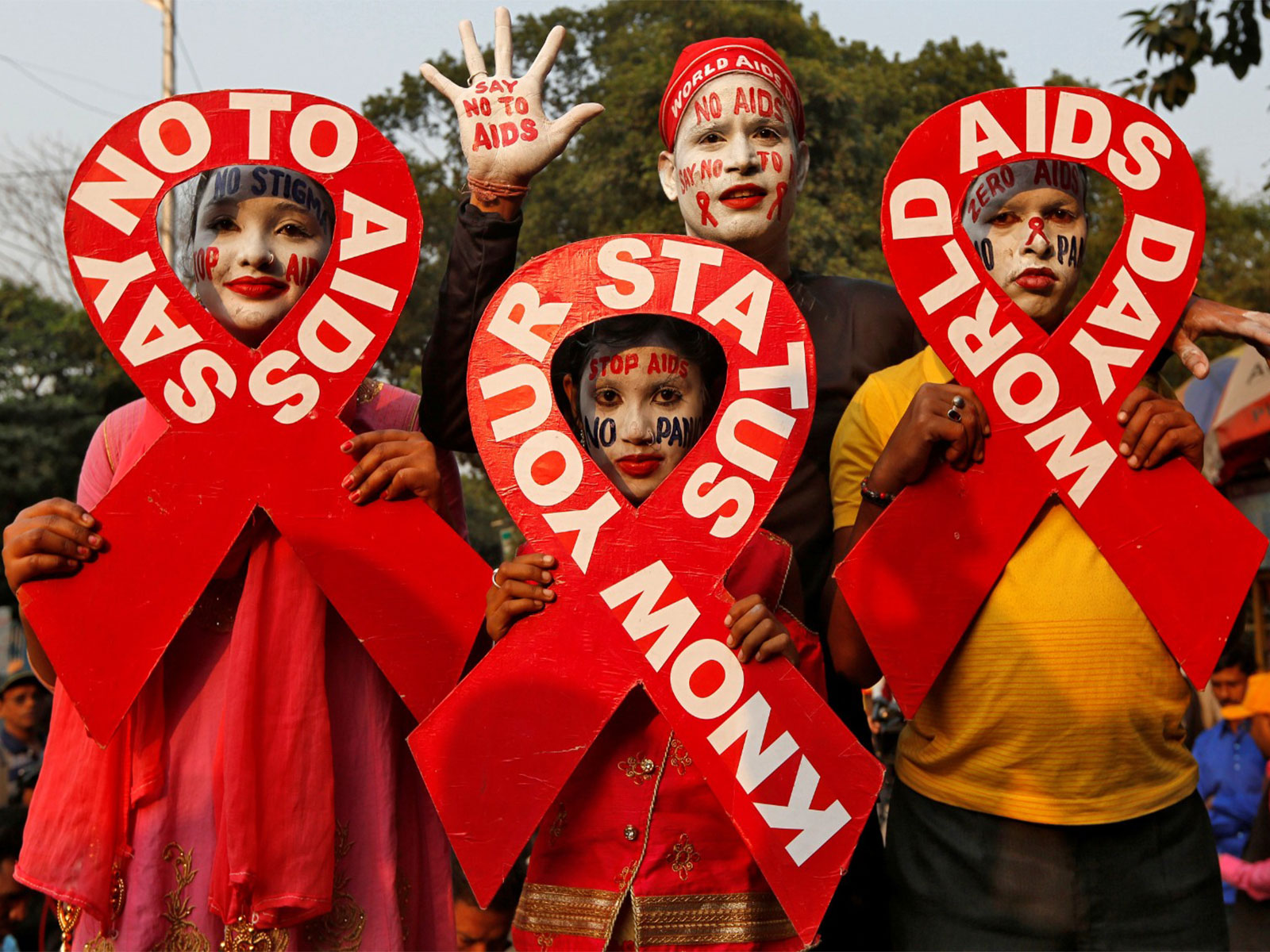
New Delhi [India], December 1 (ANI): On World AIDS Day 2025, Catharina Boehme, Officer-in-Charge, WHO South-East Asia highlighted how the region stands united with governments, partners, and communities under the theme "Overcoming disruption, transforming the AIDS response."
In her remarks she noted that the region has made progress in recent years. Access and coverage of antiretroviral treatment has reduced deaths by 62% from 2015 to 2024, and new infections declined by 32% in the same time.
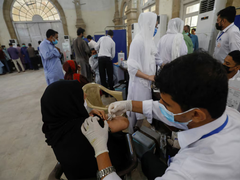
85% of people with HIV know their status, 74% of those--approximately 2.7 million people--are receiving treatment, and 72% have achieved viral suppression. While encouraging, they remain short of the global '95-95-95' goal to end AIDS by 2030.
She underlined that across the WHO South-East Asia Region, the burden of HIV remains substantial. Last year 88,000 people were newly infected, and approximately 50,000 people died of HIV-related causes. Today, some 3.5 million people in the region live with HIV. These challenges are compounded by 42 million people living with hepatitis B, seven million with hepatitis C, and 60 million with sexually transmitted infections (STIs).
Vulnerable populations remain particularly at risk. HIV prevalence rates are higher in the region among men who have sex with men, people who inject drugs, transgender, and sex workers and their partners. Young people, aged 15-24 years, account for nearly one-quarter of new infections in the wider Asia-Pacific region, the statement said.
While 88% of the 26,000 pregnant women living with HIV received antiretroviral drugs to prevent mother-to-child transmission in the region, variations in national coverage ranged from 71% to more than 98%. Similarly, 93% of the 69,000 children living with HIV are receiving antiretroviral drugs regionally, yet treatment coverage varies among countries from 67% to 98%.
Boehme said that despite gaps, multi-disease elimination approaches remains both feasible and achievable. In October this year, Maldives became the very first country in the world to be validated for Triple Elimination of mother-to-child transmission (EMTCT) of HIV, syphilis and hepatitis B.
Boehme noted that sustained investment is essential to make progress and called on countries to prioritise six strategic actions- accelerate the 95-95-95 cascade: Scale-up community- and self- testing, same-day antiretroviral treatment (ART) initiation, and for individuals stable on therapy - several months of medicines to space-out their clinic visits. Strengthen viral-load testing and treatment retention using digital solutions; integrate EMTCT and reproductive-health services: ensure triple screening for HIV, syphilis, viral hepatitis B and C is integrated within antenatal care. Guarantee maternal and infant treatment, hepatitis B timely birth-dose and completion of the vaccination schedule, and follow-up of exposed infants for their outcomes; expand equitable access to new prevention tools: facilitate affordable introduction of prevention innovations such as lenacapavir into national essential medicines lists and ensure equitable rollout, prioritising young women and key populations; invest to strengthen data systems, including AI-enabled digital systems: build interoperable national data platforms to support improved surveillance, ensure responsible AI use, and apply predictive analytics to anticipate service gaps; safeguard financing and system resilience: strengthen domestic resource mobilisation and align donor support within resilient primary-health-care frameworks to maintain essential services even during crises and empower communities and uphold rights: address stigma, discrimination and punitive laws that impede access. Engage communities as equal partners in design, delivery and monitoring of person-centred programmes, the statement mentioned.
Boehme said that WHO remains committed to supporting Member States design their national responses to these syndemics, close the remaining gaps, expand innovations, and strengthen health systems.
On this World AIDS Day 2025, Boehme asked to resolve to overcome disruptions, transform our response with innovation, and ensure that no one--particularly the most vulnerable--is left behind. (ANI)
Tags:
Get the App