With OBOR, China is trying to do what Anglo-Americans did in last 300 years: Historian
New Delhi [India], November 2 (ANI): Using the One Belt and One Road (OBOR) project, the Chinese government is trying to do what the Anglo-Americans did in the last 300 years, according to Albanian historian Olsi Jazexhi.
ANI
Nov 02, 2020 07:34 IST

New Delhi [India], November 2 (ANI): Using the One Belt and One Road (OBOR) project, the Chinese government is trying to do what the Anglo-Americans did in the last 300 years, according to Albanian historian Olsi Jazexhi.
Olsi, in an interview on YouTube, revealed how China is following the Britain model for its imperialist plan with the Belt and Road Initiative.
The project which started in 2013 comprises both overland and maritime access routes through the installation of new, as well as up-gradation of existing transport and communication infrastructure in countries hoping to reap the dividends.
Regarding China's OBOR project, he said that "Imperialism usually comes with trade. Then, later come the soldiers who will defend the traders, and later they will topple the government. This is how imperialism works."
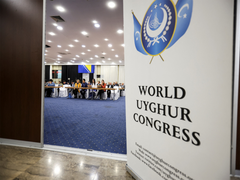
Over the long term impact of the OBOR on Xinjiang, the historian said, "The conflict over Xinjiang is the conflict of Chinese imperialism. Belt and Road project is a Chinese imperialist project. What the Anglo-Americans did with invasion and battles for the past 200-300 years to impose Pax Britannica on the rest of mankind, the Chinese are trying to do with the Belt and Road Project."
"We know the history of British imperialism. They did not invade India immediately. First, there was the East India Company. Imperialism usually comes with the trade," he added.
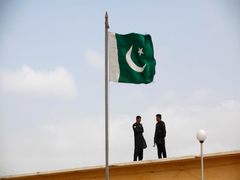
Over a question of Pakistan's silence on the atrocities of Uyghur Muslims, he said, "Pakistan very well knows what is going on in China. What they tell me is that they go privately to the Chinese and tell them please don't do this and don't do that. But publicly cannot do anything against China because Pakistan without the military and economic support of Beijing would collapse as a state."
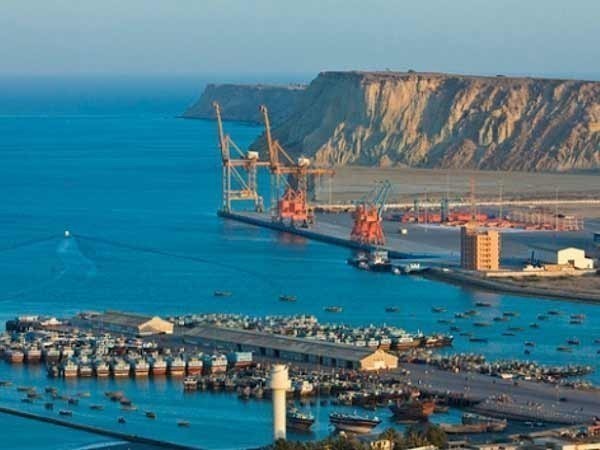
The human rights activists have, time and again, spoken about and highlighted the growing atrocities of Pakistan on the indigenous people of Balochistan and the deteriorating human rights situation as a result of the China-Pakistan Economic Corridor (CPEC).
However, Pakistan has denied all charges and failed to take any corrective measures. (ANI)
Get the App