 हिंदी खबर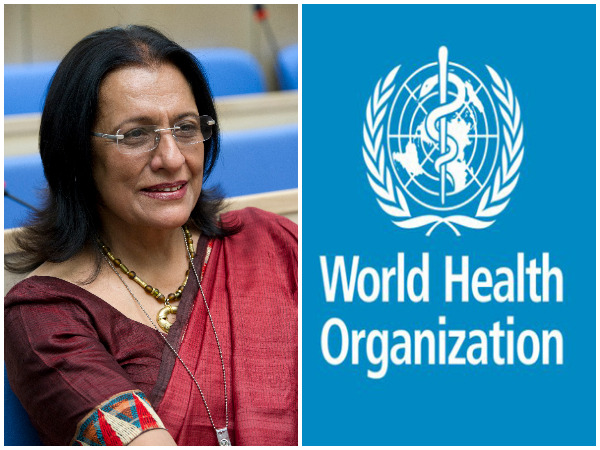

New Delhi [India], December 11 (ANI): Emphasising primary health care as its cornerstone, the World Health Organisation (WHO), the United Nations (UN) and its member states in the South-East Asia region highlighted the urgent need to accelerate progress towards the achievement of Universal Health Coverage (UHC).
The international organisations, along with the member states, highlighted the issue on the occasion of International Universal Health Coverage Day.
"At the regional level, the South-East Asia Region has prioritised UHC as a flagship priority since 2014. Over the last decade, very significant UHC-related reforms have been and are currently in the process of implementation across the region," WHO Regional Director for South-East Asia, Khetrapal Singh, said, adding, "Important gains are already evident."
Notably, between 2015 and 2021, the region increased its UHC service coverage index from 54 to 62.
"Moreover, between 2014 and 2020, alongside an increase in the share of public investment, out-of-pocket health spending as a share of current health spending decreased from 42.8 per cent to 37.9 per cent. Moreover, while catastrophic health spending remains a key concern, the population is impoverished and further impoverished due to out-of-pocket health spending, which declined from 30.5 per cent in 2005 to 6.6 per cent in 2019," Khetrapal Singh noted.
However, she emphasised that the progress to date remains insufficient to achieve the UHC SDG targets.
Of particular concern, while noncommunicable diseases cause nearly two-thirds of all deaths in the region, the regional average noncommunicable diseases sub-index has evidenced the slowest pace of improvement.
Acceleration towards UHC is needed in a time of significant global turbulence, with escalating pressures and demands on health systems, including the COVID-19 pandemic, ongoing global conflicts, subsequent and associated economic challenges, epidemiological and demographic transitions, intensifying climate crises, increasing frequency of new and novel pathogens, rapid urbanisation, the need for integration of historically siloed programmes and approaches, and increased population expectations collectively demanding more from health systems across the region.
"Recognising contemporary challenges and opportunities, member countries of our region are committed to accelerating progress towards UHC through strengthening the foundation of primary health care, Khetrapal Singh stressed.
Universal Health Coverage provides a key platform for all technical departments to integrate our support into countries, she added.
Over a month ago, during the WHO SEA Region 76th Regional Committee, Session Ministers of Health adopted the "Delhi Declaration on strengthening primary health care as a key element towards achieving universal health coverage".
She added, "Through the Delhi Declaration, health ministers of member countries committed to reorienting health service delivery systems based on a life cycle approach, with people and communities at the centre; to prioritise primary health care in health budgets; and to assure effective use of resources through strengthened systems for accountability and monitoring at national and sub-national levels."
Moreover, 11 years ago today, the United Nations General Assembly (UNGA), with leadership from countries of our region, endorsed a ground-breaking resolution urging all countries to accelerate progress towards the UHC.
"Three years later, in 2015, UHC became the founding principle of the health-related Sustainable Development Goals," she emphasised.
For seven years, it remained in the 2030 Agenda for Sustainable Development.
However, globally, the expansion of service coverage has slowed before pre-2015 gains, with limited or no progress since 2019.
"Currently, 4.5 billion people are not fully covered by essential health services. Trends in financial protection are also worsening, with an estimated 2 billion people suffering financial hardship due to out-of-pocket expenditure," she said.
In September, underscoring the concern over the limited progress and investment in UHC, Heads of State and Government at the UNGA committed to scaling up national and international efforts.
Health for all has been a desired goal for countries in the region since the end of the colonial period.
"Despite the challenges facing us, it has been within our reach. Countries in our region, through both political commitment and action, are showing the path forward for a healthier, more just, and more prosperous world. As we proceed towards the goal of health for all, a concerted focus on identifying and addressing health inequities with engagement of affected communities must remain at the forefront," the WHO regional director said.
Moreover, the WHO is committed to providing its ongoing and unmitigated support, for a South-East Asia Region in which all people can access quality health services, when and where they need them, without financial hardship. (ANI)




