WHO South-East Asia urges increased leadership of persons with disabilities in healthcare for inclusive future
According to Wazed, over 1.3 billion people globally live with some form of disability, and in the South-East Asia Region, approximately 16 per cent of the population is affected by significant disability. These numbers are rising, driven by factors like chronic ailments and an ageing population. Unfortunately, people with disabilities continue to face widespread discrimination in healthcare.
ANI
Dec 03, 2024 22:08 IST


New Delhi [India], December 3 (ANI): On the occasion of the International Day of Persons with Disabilities, the World Health Organisation (WHO) South-East Asia Region has called for amplifying the leadership of persons with disabilities to foster an inclusive and sustainable future.
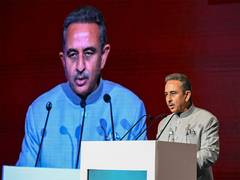
WHO's Regional Director, Saima Wazed, stressed that empowering persons with disabilities and ensuring their active participation in all sectors is essential to addressing the barriers they face, particularly in healthcare and during humanitarian crises.
According to Wazed, over 1.3 billion people globally live with some form of disability, and in the South-East Asia Region, approximately 16 per cent of the population is affected by significant disability. These numbers are rising, driven by factors like chronic ailments and an ageing population. Unfortunately, people with disabilities continue to face widespread discrimination in healthcare.
They are three times more likely to be denied healthcare, four times more likely to be mistreated within healthcare systems, and 50 per cent more likely to experience catastrophic health expenditure. In low-income countries, over half of persons with disabilities cannot afford essential healthcare.
"Disability inclusion should be considered in all our technical guidance and advisory groups, program design teams, evaluation criteria & indicators, inclusive research & local ethics, and in events, media, and communication," Wazed emphasised. This commitment extends beyond just healthcare to encompass all aspects of WHO's work, ensuring that disability perspectives are integrated into the design, implementation, and evaluation of programs.
Wazed further highlighted the importance of engaging persons with disabilities in the development of health policies and services. "We need to ensure that disability inclusion is part of the fabric of everything we do," she stated.
In alignment with the United Nations Disability Inclusion Strategy (UNDIS), WHO has strengthened its internal policies to promote the involvement of persons with disabilities across all its operations. The WHO's reasonable accommodation policy ensures that employees with disabilities receive the necessary support to fully participate in the organisation's work. This extends to all staff members, including consultants, interns, and even meeting participants.
"WHO's reasonable accommodation policy supports this and is available to employees with disabilities, including staff, consultants, interns, volunteers, employees who have dependents with disabilities, and even our meeting participants," Wazed explained.
To further promote inclusion, WHO South-East Asia has introduced several initiatives aimed at enhancing the participation of persons with disabilities. One key initiative, the SEARO CARE program, focuses on the health and wellbeing of staff and their family members with disabilities. The goal is to create a supportive and respectful work environment.
Additionally, the WHO South-East Asia Region's ROADMAP for equity and inclusion outlines specific steps to integrate disability inclusion, mental health, and psychosocial support into emergency settings, reflecting the urgency of addressing the needs of persons with disabilities during crises.
WHO's efforts also extend to building the capacity of its programs to address disability inclusion more effectively. Wazed noted that one of the key challenges is a limited understanding of disability and the health inequalities faced by persons with disabilities. A common misconception is that persons with disabilities only require rehabilitation and assistive technology, but Wazed emphasised that inclusion must encompass a wider range of health needs, including mental health and psychosocial support.
In emergency situations such as natural disasters, conflicts, and pandemics, persons with disabilities are among the most vulnerable. Wazed stressed that addressing their health needs goes beyond physical accessibility to include social inclusion and mental health support. "We need to recognise the critical need to integrate disability and social inclusion into emergency preparedness, response, and recovery. These inclusive approaches are vital for ensuring equitable access to services, protecting human rights, and upholding the dignity of all individuals," she said.
To support these goals, WHO recently launched the "Health Equity for Persons with Disabilities: A Guide for Action," a national health planning tool designed to help ministries of health integrate disability-inclusive actions into their broader health systems. Nepal has already begun implementing the guide, and Wazed urged other countries in the region to adopt the tool as well. This guide helps ensure that persons with disabilities are fully integrated into primary healthcare systems, emphasising the importance of cross-sector engagement.
The Global Report on Health Equity for Persons with Disabilities outlines three key principles that WHO encourages all countries to follow. First, health equity for persons with disabilities should be central to any health sector action. Second, persons with disabilities and their representative organisations must be actively involved in planning and implementing health actions. Finally, it is crucial to monitor and evaluate the impact of health sector actions to ensure that they lead to genuine health equity for persons with disabilities.
As the WHO South-East Asia Region celebrates the International Day of Persons with Disabilities, Wazed reaffirms the organisation's commitment to leaving no one behind. "Let us reiterate our commitment to leaving no one behind, address the health inequities that persons with disabilities experience, and promote leadership for an inclusive and sustainable future," she concluded. (ANI)
Tags:
Get the App