

ADD ANI AS A TRUSTED SOURCE
googleads
Menu
Asia

WHO reports 'significant rise' in suspected dengue cases in eastern Afghanistan

According to a recent report by the World Health Organisation, the number of suspected dengue fever cases in Nangarhar province increased significantly over the past month.

ANI Nov 20, 2025 03:04 IST googleads

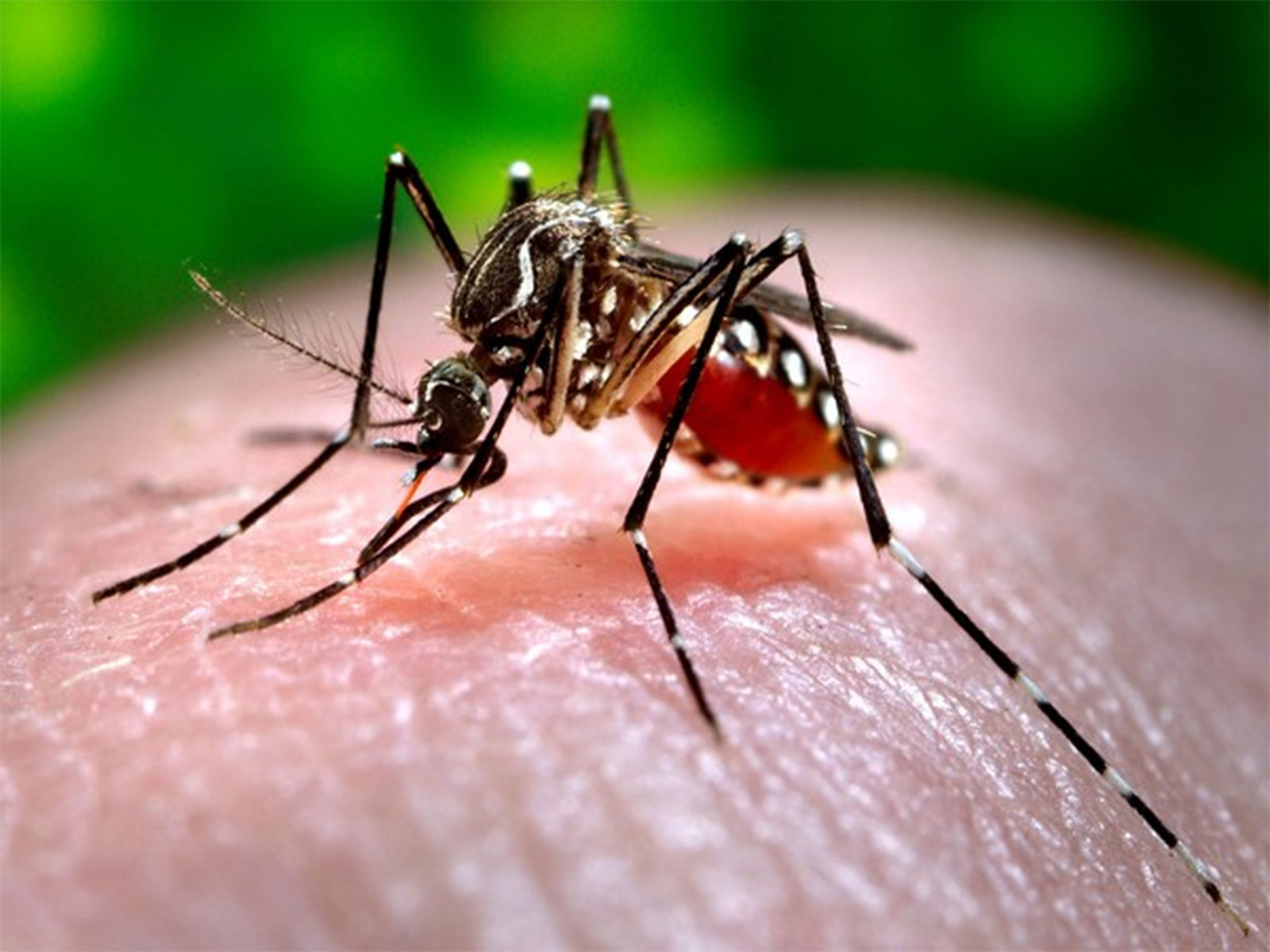
Representative Image (Photo/Reuters)

Kabul [Afghanistan], November 20 (ANI): The World Health Organisation on Tuesday (local time) reported a significant rise in suspected dengue cases in eastern Afghanistan, with more than 1,000 cases recorded in November, The Khaama Press reported.
According to a recent report by the World Health Organisation, the number of suspected dengue fever cases in Nangarhar province increased significantly over the past month.
Despite the surge in dengue, the WHO reported that no deaths have been reported linked to the disease as of now. The organisation is continuing to monitor the situation closely in the region.
Meanwhile, in Pakistan, Dengue has gripped large parts of Punjab, especially the southern belt, while internal accounts suggest that fatalities caused by the virus are taking place but are allegedly being kept off the books by the provincial health machinery. Several insiders claim that authorities are intentionally downplaying the true scale of the outbreak through underreporting, as reported by Dawn.
According to Dawn, Multan and Faisalabad are reportedly facing the most alarming situation. The sharp rise in infections there has contradicted the health department's earlier claims that dengue was "fully under control."
Medical workers in South Punjab confirm that the number of dengue-positive patients has multiplied nearly tenfold in recent weeks.
Doctors and senior public-health experts allege that numerous dengue-related deaths have occurred in Multan's major government hospitals. However, officials responsible for reporting these fatalities were allegedly instructed not to log them onto the dengue dashboard. A health specialist stated that district commissioners and CEOs of district health authorities are exerting pressure on field officers to conceal both deaths and rising positivity figures.
Referring to the recent case of a young guard, Mohammad Imran, experts claim the diagnostic process was deliberately delayed.
The NS1 test, crucial within the initial days of fever, was sent for analysis on the ninth day, ensuring a likely negative result. WHO guidelines state that NS1 sensitivity drops sharply after a week, meaning a negative report cannot rule out dengue. Other tests later confirmed Imran as dengue-positive. (ANI)


Get the App

What to Read Next

Europe

Blasphemy laws in Pakistan target religious minorities: GHRD

Blasphemy laws in Pakistan target religious minorities: GHRD

At the 61st session of the United Nations Human Rights Council, the organisation Global Human Rights Defence (GHRD) raised concerns over the continued misuse of blasphemy laws in Pakistan and their impact on religious minorities.

Read More
Europe

Indian Rights Activist raises cadaver organ donation issue at UN

Indian Rights Activist raises cadaver organ donation issue at UN

Gobind Gurbani, speaking through video conference, drew attention to the growing gap between the number of patients requiring organ transplants and the limited availability of donated organs.

Read More
Asia

MEA rejects Pakistan’s statement on India-Canada deal

MEA rejects Pakistan’s statement on India-Canada deal

"We reject this statement made by Pakistan on the matter. India's credentials regarding non-proliferation are impeccable and well recognised by the global community. A country with a well-documented history of clandestine nuclear proliferation can hardly preach the virtues of export controls and proliferation risks. Such ludicrous statements are nothing more than an attempt by Pakistan to distract from its own abysmal record," he said.

Read More
Asia

India rejects Pakistan's "baseless allegations"

India rejects Pakistan's

India on Thursday rejected Pakistan's allegations of aggravating skirmishes with Afghanistan, calling them "baseless" and accusing Pakistan of blaming others for its own misdeeds.

Read More
Asia

Policy delays leave Pakistan short of critical medicines

Policy delays leave Pakistan short of critical medicines

Pakistan faces a severe shortage of life-saving medicines, including cancer drugs and vaccines, due to government delays in notifying official prices. While global supply remains stable, regulatory hurdles have stalled legal imports, raising concerns over patient survival and the potential rise of unregulated, counterfeit medicines.

Read More
Home About Us Our Products Advertise Contact Us Terms & Condition Privacy Policy

Copyright © aninews.in | All Rights Reserved.


