"We feel ashamed when Field Marshal Asim Munir and I go around the world BEGGING for money": Pak PM Shehbaz Sharif
"We feel ashamed when Field Marshal Asim Munir and I go around the world BEGGING for money. Taking loans is a huge burden on our self-respect. Our heads bow down in shame. We cannot say NO to many things they want us to do," said Pakistan PM Shehbaz Sharif, reported A1tv.
ANI
Jan 31, 2026 10:30 IST

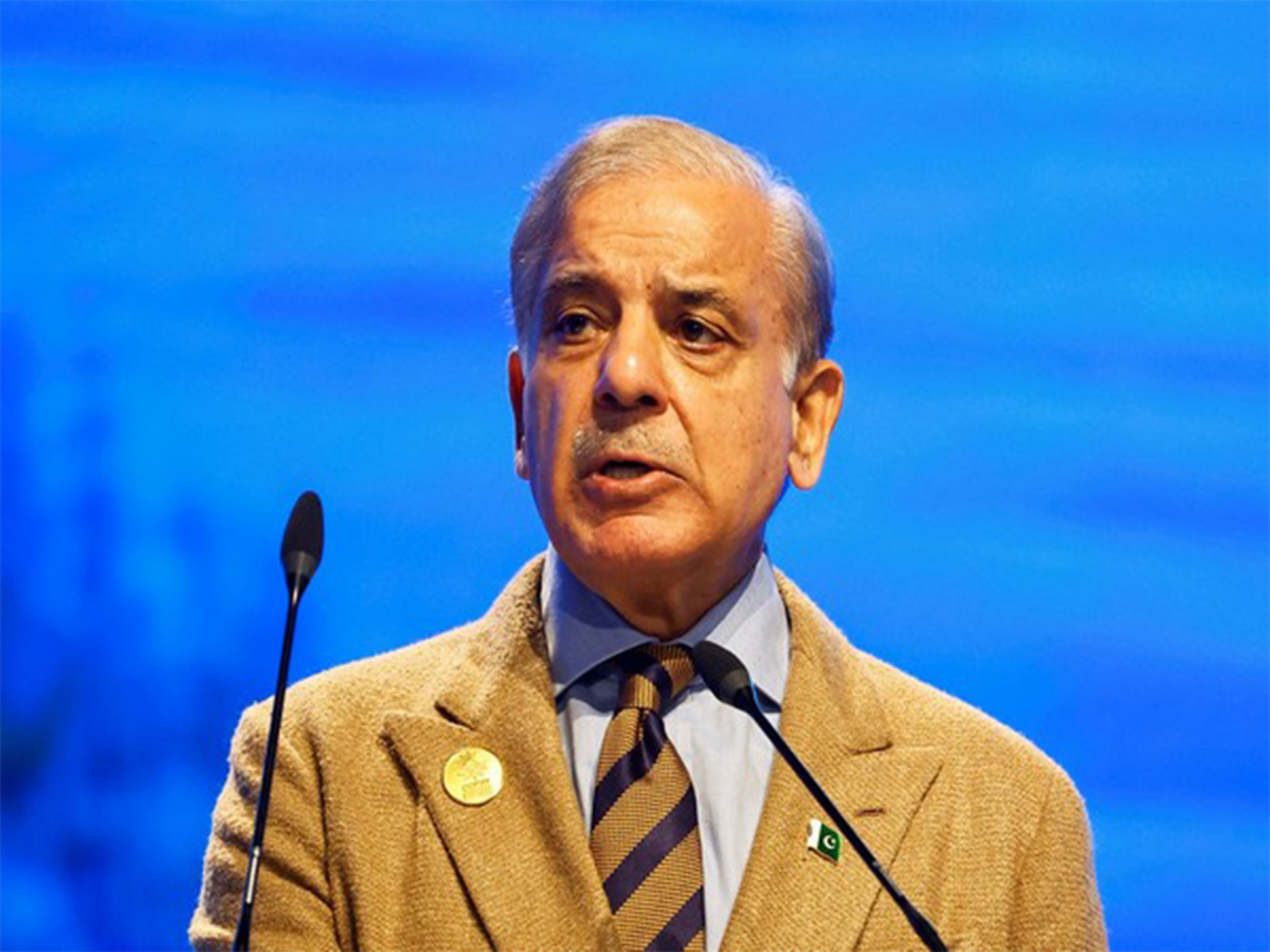
Islamabad [Pakistan], January 31 (ANI): Pakistan's Prime Minister Shehbaz Sharif has expressed frustration over his country's reliance on foreign loans, stating that seeking financial aid undermines national self-respect and is a source of embarrassment for officials, including Army Chief Asim Munir.
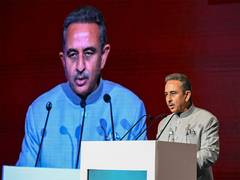
Addressing Pakistan's prominent exporters and business leaders at an event in Islamabad, Sharif emphasised the burden of debt on Pakistan's dignity, indicating the need for alternative economic strategies.
"We feel ashamed when Field Marshal Asim Munir and I go around the world BEGGING for money. Taking loans is a huge burden on our self-respect. Our heads bow down in shame. We cannot say NO to many things they want us to do," said Pakistan PM Shehbaz Sharif as reported by local broadcaster A1tv.
Sharif's admission of "begging" for loans highlights the country's economic struggles and reliance on international assistance. This comes as Pakistan seeks IMF support and debt rollovers.
He also praised "all-weather friend" China, along with Saudi Arabia, the UAE, and Qatar, which have supported Islamabad through both good times and bad, regardless of circumstances.
Pakistan's economic lifelines are heavily reliant on China, Saudi Arabia, the UAE, and Qatar, which provide critical financial support to stabilise foreign exchange reserves and prevent a balance-of-payments crisis.
China has rolled over billions in safe deposits to help Pakistan meet debt obligations, with $4 billion projected for 2024-25. The China-Pakistan Economic Corridor (CPEC) is a key framework, with over $60 billion in energy and infrastructure investments.
Saudi Arabia extended a $3 billion deposit with the State Bank of Pakistan in December 2024 and provided a deferred oil payment facility of approximately $1.2 billion in 2025. Riyadh has pledged significant investments in mining, agriculture, and IT, with potential plans totalling $5- $ 25 billion.
The UAE rolled over a $2 billion loan in early 2025 and committed to investing billions in Pakistan's energy, port operations, and wastewater treatment sectors, targeting $10-25 billion.
Qatar signed a protocol to realize $3 billion in investments, focusing on aviation, agriculture, and hospitality, and is a key energy supplier, particularly for LNG.
These countries are crucial for Pakistan's economic stability, with investments and aid flowing through frameworks like the China-Pakistan Economic Corridor (CPEC) and the Special Investment Facilitation Council (SIFC).
Sharif also raised concerns about rising poverty and unemployment, and lamented the lack of development in R&D and innovation.
Pakistan is facing a severe socioeconomic crisis with poverty rates estimated to have risen towards 45% of the population, exacerbated by inflation and floods. Unemployment has climbed to around 7.1%, with over eight million citizens jobless, while exports remain heavily reliant on textiles and commodities.
Recent estimates suggest up to 45% of Pakistan's population lives below the poverty line, up from 21.9% in 2018. Extreme poverty has jumped from 4.9% to 16.5%, driven by 2022 floods, inflation, and macroeconomic instability.
The jobless rate is at 7.1%, with over 8 million people out of work. Educated youth are struggling, and underemployment is rampant in the informal sector (85% of the workforce).
Pakistan's exports are stuck, with textiles dominating. There's potential in software, agriculture, and livestock, but structural issues and low productivity hinder growth.
Notably, Pakistan is currently facing a severe debt crisis, with total public debt exceeding Rs 76,000 billion as of March 2025, nearly doubling in just four years. The nation relies heavily on IMF bailouts and loans from China--particularly for China-Pakistan Economic Corridor (CPEC) projects--to manage debt servicing and avoid default.
Pak PM's admission confirms a structural fragility that has moved beyond mere economic cycles into what many call a permanent state of crisis.
Historically, Pakistani leadership framed foreign aid as "strategic partnership" or "brotherly support." However, Pakistan's traditional "geopolitical rent"--the ability to trade its geography for cash (used effectively during the Cold War and the War on Terror)--has largely evaporated.
By involving the Army Chief in loan negotiations, the country is signalling to creditors that the military (the only institution perceived as stable) guarantees the debt, further blurring the lines of civilian governance.
Instead of building an export-oriented economy like Vietnam or Bangladesh, Pakistan has used borrowed "hot money" to maintain artificial exchange rates and fund imports for the elite.
Moreover, Pakistan is currently on its 23rd IMF program. Without structural reforms (such as taxing the landed elite and the retail sector), each loan merely covers the interest on the previous one.
Adding to the irony, Pakistan has reportedly paid a massive sum to secure a seat on Donald Trump's Board of Peace, raising questions about priorities, spending significant resources to secure influence within high-level political circles "Board of Peace" highlight a massive cognitive dissonance in Islamabad.
While the public struggles with record-breaking inflation and energy shortages, the state continues to invest in "perception management" and lobbying. (ANI)
Tags:
Get the App