 हिंदी खबर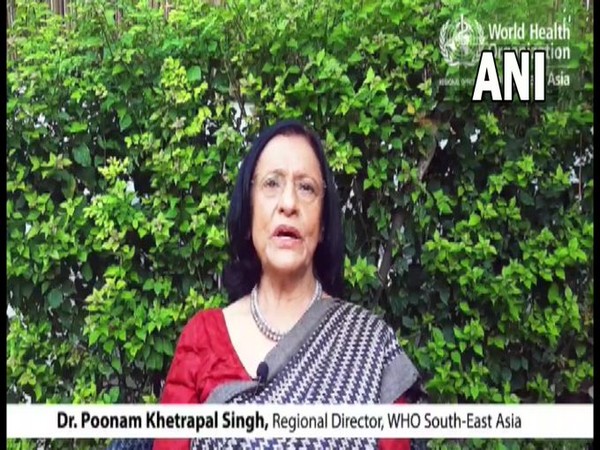

New Delhi [India], February 4 (ANI): Noting the increasing burden of cancer despite 30 per cent to 50 per cent of the cases being preventable, the World Health Organization today called on countries in South-East Asia Region to prioritize measures to reduce risk, detect and diagnose early and care for people suffering from the disease.
"The COVID-19 pandemic has disrupted delivery of cancer care services including palliative care. This has further exposed the vulnerabilities of people living with cancers and increased the risk of severe disease and death. We need to urgently address these gaps," said Dr Poonam Khetrapal Singh, Regional Director, WHO South-East Asia Region.
Cancer is one of the leading causes of death worldwide with nearly 10 million deaths reported in 2020. The WHO South-East Asia Region reported an estimated 2.2 million new cases and 1.4 million cancer related deaths the same year - which accounted for more than 1 in 10 deaths in the Region. Among cancer deaths, lung cancer accounted for 10.6 per cent deaths, breast cancer 9.4 per cent, cervical cancer 8 per cent, liver 6.6 per cent and lip, oral cavity cancer 6.4 per cent deaths.
The two most common cancers among men in the Region - oral and lung cancers - are linked to tobacco use, betel nut chewing and smoking, and are thus, preventable.
Preventing and treating noncommunicable diseases (NCDs), including cancer, has been a flagship priority in the Region since 2014. Countries have been making concerted efforts for improving essential NCD services. Cancer preventive measures include hepatitis B vaccination; screening for cervical cancer; HPV vaccination; promoting physical activity and healthy diets; taxing tobacco, alcohol, and sugary drinks; and controlling tobacco - the leading cause of oral cancer and lung cancers and premature death.
Cervical cancer is the second most common cancer in terms of the number of cases in WHO South-East Asia Region. In August 2020, the World Health Assembly passed a resolution calling for elimination of cervical cancer as a public health problem. The strategy calls on countries to reach an incidence of fewer than 4 cases per 100 000 women. Nine of the 11 Member countries of the Region have population-based cervical cancer screening programs. A few countries have introduced HPV vaccination for adolescent girls to prevent cervical cancer.
"We must scale up efforts to save lives and improve the quality of life of people living with cancer," said Dr Poonam Khetrapal Singh.
One of the key strategies to combat NCDs such as cancer has been to strengthen access to primary health care and referral systems for early detection and treatment.
In 2016 countries in the Region adopted the Colombo declaration to strengthen health systems to accelerate delivery of NCD services at the primary care level.
Last year, WHO launched new tools to help countries build effective childhood cancer programmes with the aim to reach at least 60 per cent survival rate for children with cancers by 2030, reduce suffering, and save an additional one million lives. Globally, an estimated 400 000 children are diagnosed with cancer every year.
'Close the care gap' is the theme of this year's World Cancer Day is observed today, and is especially relevant with the pandemic having exacerbated inequalities making it harder for many to adopt healthier behavior or access preventive, diagnostic and treatment services.
"As countries build back and reprioritize public spending, we have an opportunity to focus on providing equitable access to tools for early detection, diagnosis, treatment, and palliative care to ensure a fairer future where everyone can live happier, healthier lives leaving no one behind," the Regional Director said. (ANI)




