 हिंदी खबर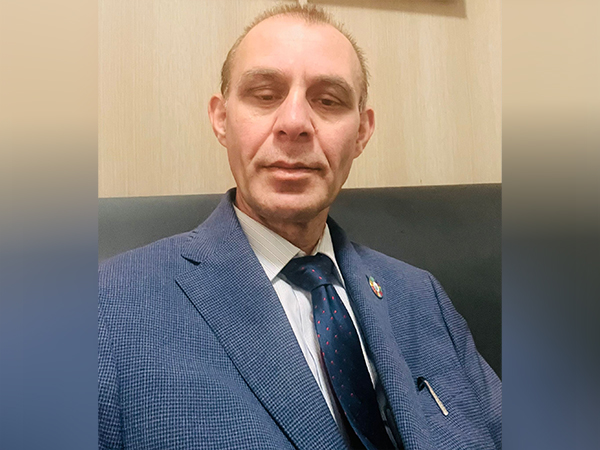

Zurich [Switzerland], August 29 (ANI): The United Kashmir People's National Party (UKPNP) strongly condemns the arrests and torture of students and youth in Rawalakot, Pakistan-occupied Jammu and Kashmir (PoJK).
According to the post shared by UKPNP on Facebook, it stressed the unconditional and immediate release of all detained students.
"Those responsible for torturing students must be arrested and held accountable. Freedom of expression, peaceful assembly, and association are fundamental rights that must be protected", stated the post.
UKPNP raised this issue at international forums and informed the United Nations.
Jamil Maqsood, President of the Foreign Affairs Committee of the United Kashmir People's National Party (UKPNP), has strongly condemned the wave of arrests, student repression, and police crackdowns in Pakistan-occupied Jammu and Kashmir (PoJK). He warned that the administration's heavy-handed tactics are fueling unrest across Rawalakot, PoJK.
According to Maqsood, the chain of events began on the night of 13-14 August, when following slogan-chanting in Rawalakot, security forces carried out widespread arrests. Over the next two days, 41 people were detained, out of whom 10, including four students, were booked under terrorism-related charges, while 31 were released unconditionally.
He said these arrests triggered immediate protests. On August 16, pro-independence parties staged demonstrations demanding the release of detainees and set a deadline of August 19.
When the deadline passed, another rally was staged on 19 August, though it was scaled down after a female lecturer of Poonch University tragically died in flash floods. Protesters, however, warned that if detainees were not freed by 29 August, a complete lockdown would be imposed from 30 August.
Maqsood highlighted that students then took the lead.The Students' Alliance announced its protest on 22 August and staged a sit-in outside the court on 26 August, launching a hunger strike when their demands were ignored. On the same evening, the Awami Action Committee (AAC) also met in Rawalakot and later expressed solidarity with the students. AAC leader Umar Nazir warned that the administration would be held responsible for any harm to the youth.
Maqsood noted that the health of two students deteriorated, and they were hospitalised. Reports also emerged that detainees' families were being forced to sign legal documents against their will. On 28 August, the Students' Alliance escalated their protest into a sit-in at the hunger strike camp, joined by Umar Nazir. The mediation effort, however, failed to convince students, who rejected the proposal of delaying releases until 30 August. Accusations were also made that negotiators were deliberately stalling due to political affiliations.
The protest later turned into a rally and sit-in near the District Jail. But instead of resolving the matter, police launched a baton charge, arresting 17 protesters and dispersing the crowd. In response, Umar Nazir called for a complete lockdown across the Poonch Division from midnight on August 29, a day earlier than the pro-independence groups' original protest plan.
Maqsood said these developments reveal the administration's intolerance of democratic rights. He emphasised that students and peaceful activists are being treated as criminals simply for demanding justice and unconditional release of detainees.
"The misuse of terrorism laws against innocent students and citizens is unacceptable," Maqsood stated, urging the international community to take notice of what he described as a systematic suppression of political dissent in PoJK.
He reiterated UKPNP's demand for: Immediate and unconditional release of all detainees, withdrawal of false terrorism charges, and protection of democratic freedoms in the region. "The people of PoJK cannot be silenced by arrests and baton charges," Maqsood stated. "Their voice for justice, dignity, and freedom will only grow stronger." (ANI)


