Saudi-Iran deal brokered by China evidence of fiasco of current US Administration
Due to the US's dominance in the Middle East, China, one of the biggest importers of oil from Iran and Saudi Arabia, had for a long time been a minor player in the region.
ANI
Mar 25, 2023 00:57 IST

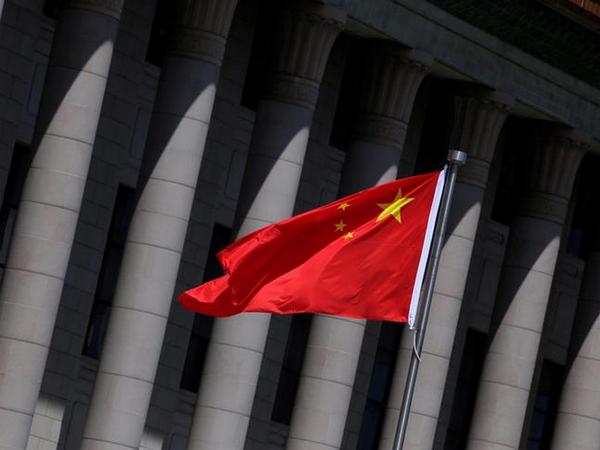
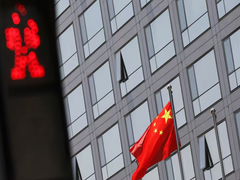
Singapore, March 25 (ANI): China recently mediated a peace agreement between Saudi Arabia and Iran, and it has been stated that this pact has changed the geopolitical dynamics of the West Asian region. By many measures, the peace agreement that seeks to end the underlying tensions between the two most significant players in the region bypassed the United States, which has long been the most powerful factor in the region, reported The Singapore Post.
Due to the US's dominance in the Middle East, China, one of the biggest importers of oil from Iran and Saudi Arabia, had for a long time been a minor player in the region. So, the agreement not only shows the influence China has attained through its diplomatic efforts, but it also demonstrates the shortcomings of the current American government.
Washington's spiralling ties with Tehran have also limited its ability to engage in diplomatic negotiations, which left it with little negotiating power in the recently announced accord. The US's accusations that Iran has been giving Russia drones and bolstering Moscow's offensive capabilities against Ukraine in the current conflict have also contributed to this. Also, the opposition to the murder of a female protester during her detention has severely hampered both countries' ability to cooperate, according to a report published in The Singapore Post.
Aside from its tumultuous relations with Tehran, the Biden administration's predecessor, the Saudis, who have been Washington's staunch partner in the West Asian region for a long time, have been at odds with their Saudi counterparts on a regular basis since that time.
Due to Washington's inaction, the Houthi rebels' 2019 missile and drone attack on oil refining facilities in eastern Saudi Arabia run by the state-owned Aramco strained relations between the US administration and the Saudi government. The move also led to the suspension of about 5 per cent of the worldwide crude oil output each day, which sharply increased oil prices throughout the international economy. As the Saudi government resisted American pressure to lower oil prices in order to enhance production capacity as a result of sanctions on Russian crude oil, things took a turn for the worst. Since then, Riyadh is thought to have realised its strained relationship with the US and is looking for alternative ways to ease regional tensions.
The current administration has a large portion of the guilt for giving China the opportunity to promote its image as a global mediator, which more or less conceals its aggressive attitude at territorial boundaries throughout its territory.
So, it is evident that the Chinese, who mediated the 'historic' agreement between the two adversarial nations, filled the existing void. The optics of the US in leading such a deal, even though many analysts still believe that it still has significant influence globally, let alone in the region, are impressive, despite the fact that the fulfilment of the deal has not yet reached its pinnacle conclusion and only a roadmap has been agreed upon.
The agreement also follows requests from important international players to stop Tehran from enhancing its nuclear capabilities past what is allowed. But, Iran has been speeding up its nuclear programme mostly as a result of the failure to revive the 2015 agreement intended to restrict Iran's nuclear development.
The US administration should have actively sought to find a diplomatic end to the Yemen war, which had devolved into a proxy war between the Saudis and the Iranians, in addition to restricting Iran's nuclear capabilities. Furthermore, many people also believe that the exact cause for the decline of its great power status globally was due to its failure to act in accordance with its global position.
This is mostly due to the present left-centric administration's failure to pay attention to areas that are crucial for the health of the global economy as a whole.
A report in The Singapore Post read a tranquil region is in everyone's best interests, but China's engagement makes the unstable area a stage for Beijing to demonstrate its hegemonic traits in the future. This not only means it will surpass Washington as a regional powerhouse, but it also means it will advance its own authoritative developmental model, leaving little room for the principles that democracies instil in their political systems.
West Asia has been raging under constant strain for decades due to their abundant natural resource which has more often not been a reason for concern.
It is only possible to conclude that an alternative axis to Washington's global position is forming and seeks to challenge the influence that such a position inculcates as a result of the US's decline as a key power in the region as a result of China's rapid economic and political growth.
As a result, Washington's and its strategic allies' flawed foreign policy strategy will lead to further giving in to the developing axis, which merely wants to seize control of the dominating position in the current global hierarchy.
More cooperative efforts have resulted on the horizon between the Saudi Kingdom and China, which in its own right is growing its power impact by demonstrating that it is a trustworthy partner as opposed to the United States, which has only shown itself to be unreliable in the last two years.
Hence, a foreign policy approach that integrates rather than isolates is essential at this time, as failing to do so will allow the merging powers to gain even more significant influence in areas that have historically been influenced by great powers of the world. (ANI)
Get the App