Russia's Alexey Navalny killed by dart frog poison, European nations allege
In a joint statement issued on Saturday -- timed to coincide with the Munich Security Conference -- the foreign ministries of the United Kingdom, France, Germany, Sweden and the Netherlands said laboratory analysis of samples taken from Navalny's body "conclusively confirmed the presence of epibatidine", a toxin naturally found in poison dart frogs and otherwise absent from Russia. The governments said their findings leave no "innocent explanation" for the chemical's presence.
ANI
Feb 15, 2026 13:28 IST

Moscow [Russia], February 15 (ANI): Five European states have publicly accused the Russian government of poisoning and killing opposition leader Alexey Navalny with a rare and lethal toxin derived from South American dart frogs, marking a dramatic escalation in international condemnation of Moscow's treatment of its most prominent Kremlin critic, reported Al Jazeera.
In a joint statement issued on Saturday, timed to coincide with the Munich Security Conference, the foreign ministries of the United Kingdom, France, Germany, Sweden and the Netherlands said laboratory analysis of samples taken from Navalny's body "conclusively confirmed the presence of epibatidine", a toxin naturally found in poison dart frogs and otherwise absent from Russia. The governments said their findings leave no "innocent explanation" for the chemical's presence.
"The UK, Sweden, France, Germany and the Netherlands are confident that Alexey Navalny was poisoned with a lethal toxin," the statement said, asserting that Moscow had the "means, motive and opportunity to administer this poison".
Russian authorities have vehemently denied the allegations, dismissing them as Western propaganda.
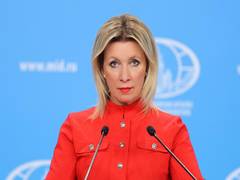
Maria Zakharova, a spokesperson for the Russian Foreign Ministry, said she would comment once the test results are publicly disclosed, a step that has not yet occurred.
Navalny, a fierce critic of President Vladimir Putin who built his reputation campaigning against corruption and authoritarian rule, died in an Arctic penal colony on February 16, 2024, while serving a 19-year sentence he condemned as politically motivated. European nations say their findings show that his death was not a natural result of ill health but the consequence of deliberate poisoning.
British Foreign Secretary Yvette Cooper met Navalny's widow, Yulia Navalnaya, at the Munich conference, where she said the new evidence casts light on "the Kremlin's barbaric plot to silence his voice." Meanwhile, French Foreign Minister Jean-Noel Barrot wrote on X that the alleged poisoning underscored that "Vladimir Putin is prepared to use biological weapons against his own people in order to remain in power."
The governments announced they would report Russia to the Organisation for the Prohibition of Chemical Weapons (OPCW) for breaching the Chemical Weapons Convention, a move that could deepen diplomatic rifts and trigger formal international scrutiny.
Navalny's death shocked global audiences in 2024, and at the time Russian authorities claimed he died after becoming ill following a walk, insisting his death stemmed from natural causes. The European findings challenge that narrative by pointing to the presence of epibatidine, which causes rapid respiratory failure, convulsions and cardiac arrest, and is only known to occur naturally in the skin of certain South American frogs.
As the Munich Security Conference continues to draw leaders from across Europe and beyond, the dispute over Navalny's death threatens to further strain relations between Russia and Western capitals already at odds over issues including Ukraine, security cooperation and human rights. (ANI)
Get the App