Respiratory illnesses soar in Pakistan as dust pollution and poverty worsen health crisis
As winter sets in, there has been a noticeable rise in Pakistani citizens respiratory illnesses over the past few weeks.
ANI
Dec 12, 2024 18:36 IST


Karachi [Pakistan], December 12 (ANI): As winter sets in, there has been a noticeable rise in Pakistani citizens respiratory illnesses over the past few weeks.
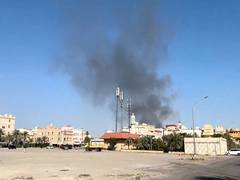
Experts suggest that this year's case numbers are considerably higher compared to previous years. They attribute the increase to deteriorating air quality, particularly due to severe dust pollution affecting nearly all city roads, compounded by the significant loss of green spaces as reported by Dawn.
Experts also connected the rise in respiratory illnesses to the increasing poverty levels, driven by an unprecedented surge in the prices of essential food and medicine, which has significantly heightened people's susceptibility to illness and disability.
Dr. Javaid Ahmed Khan, a senior professor and consultant pulmonologist at Aga Khan University Hospital (AKUH), explained to Dawn, "While respiratory disease cases typically rise with the onset of winter, due to colder and drier air trapping more pollutants, this year the numbers have nearly doubled. This applies to both inpatients and outpatients."
According to the Dawn report, Dr. Khan attributed the rise in respiratory diseases to heavy dust pollution, stating, "I believe air quality has deteriorated significantly. There is extensive roadwork throughout the city, trees are being cut down, and people continue to burn waste on the streets. There is no regulation of vehicles emitting toxic fumes."
He further explained that poor air quality heightens the risk of bronchitis by exposing individuals to pollutants such as dust, fumes, traffic emissions, and chemicals. This pollution weakens the immune system, making people more susceptible to lung infections and other illnesses.
"Any type of pollution impacts the immune system, a fact supported by numerous studies. People living in polluted environments are more prone to pneumonia, upper respiratory tract infections, allergic rhinitis, and even tuberculosis."
Dr. Khan explained that irritants, including particulate matter 2.5, damage the respiratory system's immune defences, which normally protect against various germs.
When the immune system is compromised, the body becomes highly susceptible to infections and diseases, including cancer. He pointed out that the average diameter of human hair is about 70 micrometres, while particulate matter 2.5 consists of fine particles that are 2.5 micrometres or smaller. Additionally, Dr. Khan noted that research has linked poor air quality to a higher incidence of cardiovascular diseases, as these tiny particles enter the bloodstream and can block arteries.
Supporting Dr. Khan's view, Dr. Abdul Ghafoor Shoro, a senior general physician practicing in Keamari, reported a 50 per cent increase in respiratory illnesses, including asthma, bronchitis, flu, chronic obstructive pulmonary disease (COPD), and pneumonia in recent weeks.
He stated, "From Malir, Quaidabad, and Korangi to Gulistan-i-Jauhar, Mauripur, Keamari, Orangi, and Saddar, heavy dust pollution is widespread due to roadwork and construction activities. There's no way for the public to escape the pollution."
Dr. Sajjad Siddiqui, a senior general physician, emphasised that the rise in diseases is also linked to people's declining purchasing power. "The public is living under extreme hardship, forced to drink contaminated water in areas lacking gas, with people relying on costly cylinders to cook just enough food to survive. When they fall ill, they can't afford the necessary medicines," he lamented.
Dr. Liaquat Ali Halo, Additional Medical Superintendent at Dr. Ruth Pfau Civil Hospital Karachi, reported a 25 to 30 per cent increase in respiratory illnesses, particularly among children, at the hospital's chest department.
"We are seeing children with pneumonia and adults with COPD and asthma. Often, COPD patients are individuals who work in polluted environments or are smokers."
Experts recommend that people wear high-quality face masks or use cloth coverings (or helmets for those riding bikes) when outdoors, although these measures cannot fully protect against toxic air. "Indoor air quality is just as crucial," emphasised Dr. Halo.
"It's important to ensure proper ventilation in homes, even during winter. People should avoid burning mosquito coils and incense, as there are increasing concerns about their harmful health effects." He also noted that using gas stoves in poorly ventilated kitchens can further degrade air quality. (ANI)
Get the App