 हिंदी खबर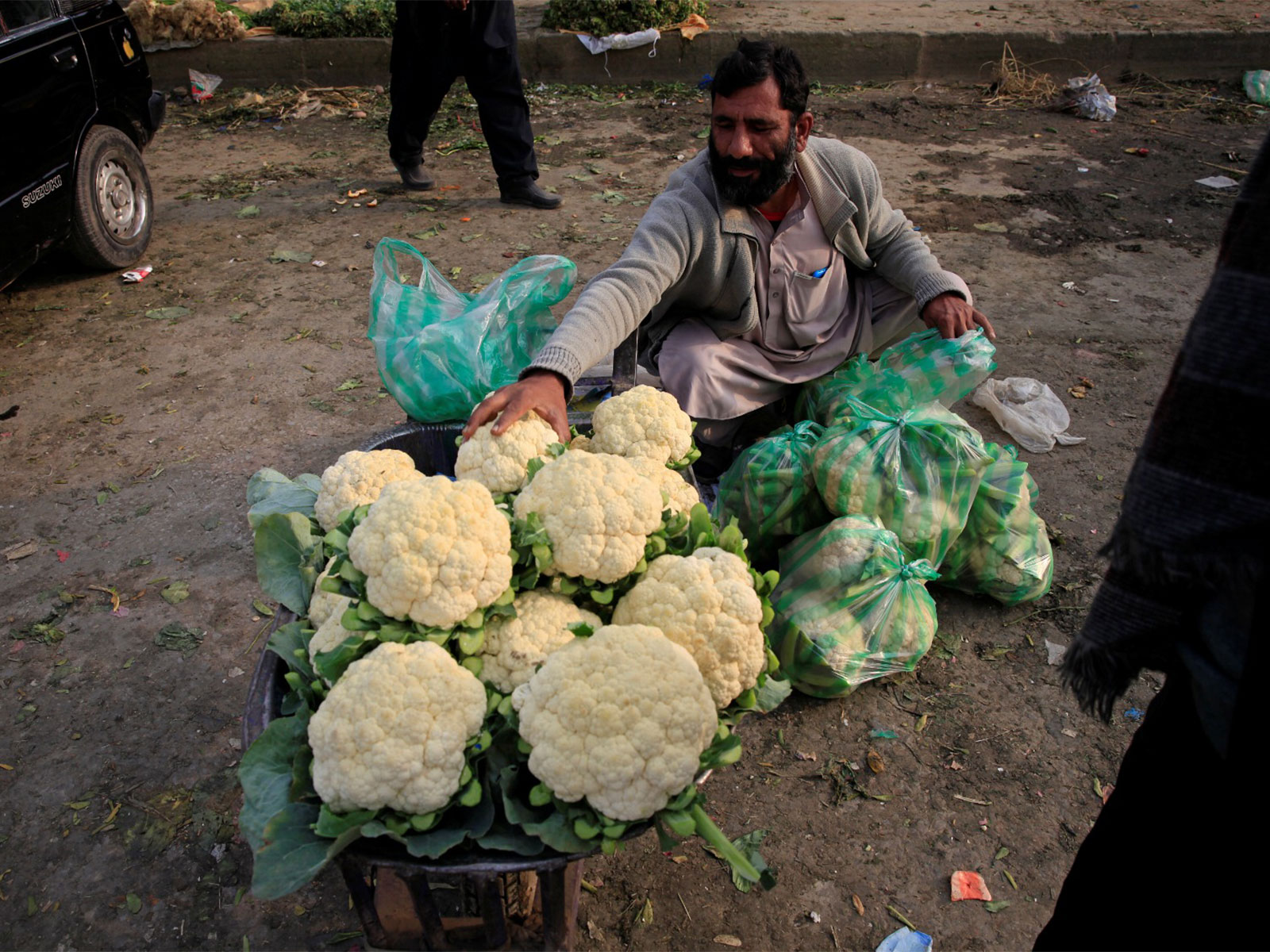

Lahore [Pakistan], March 8 (ANI): The start of Ramazan has once again exposed weaknesses in Pakistan's price control system as fruit and vegetable prices surged across Punjab province, leaving consumers struggling with rising costs. Several essential food items were sold well above the official rate list despite government regulations intended to control prices during Ramzan, as reported by The Express Tribune.
According to The Express Tribune, the official rate for first-grade bananas was set at PKR 240 per dozen, yet vendors in many markets refused to sell them for less than PKR 300.
Similarly, guava was listed at PKR 145 per kilogram, but even lower-grade fruit was being sold at PKR 150 per kilogram. Kandhari pomegranates, which had an official price of PKR 630 per kilogram, were commonly sold for nearly PKR 700.
Apples fixed at PKR 420 per kilogram crossed PKR 450 in retail markets, while imported Thai ginger, officially priced at PKR 280 per kilogram, was sold for as high as PKR 350.
Consumers said vendors often reduced prices only when customers threatened to lodge complaints, but most people avoided confrontations and paid the higher rates.
Rana Aftab Ahmed, a resident of Wagah Town in Lahore, acknowledged that enforcement efforts by the Punjab Enforcement and Regulatory Authority (PERA) had improved compliance in some localities. However, he noted that numerous shopkeepers and roadside sellers continued to disregard official pricing.
Explaining the government's pricing mechanism, Shehzad Cheema, District Officer of the Punjab Agricultural Marketing Regulatory Authority (PAMRA) in Lahore, said the official price list is derived from early morning wholesale auctions where produce is sold through open bidding.
Fruit seller Muhammad Idrees said vendors sometimes purchase produce at higher wholesale rates and cannot afford to sell at the government-fixed prices. Vegetable seller Wasim Akhtar from Gulberg also argued that consumers rarely understand how official price lists are calculated, as cited by The Express Tribune.
Meanwhile, farmers say they are also under pressure. Khalid Mahmood Khokhar, President of Farmers' Ittehad, stated that increasing costs of seeds, fertilisers, pesticides and diesel have significantly raised production expenses.
Citing a study by the Pakistan Institute of Development Economics (PIDE), some farmers even sell crops below cost or discard produce when prices fail to cover transportation expenses.
Traders, however, argue that prices naturally fluctuate depending on supply and demand.
Haji Muhammad Ramzan, Secretary General of the Fresh Fruit and Vegetable Traders Association, Punjab, said higher demand during Ramazan inevitably pushes prices up, as reported by The Express Tribune. (ANI)


