

ADD ANI AS A TRUSTED SOURCE
googleads
Menu
Asia

Quetta Shura, a title for Pakistan to implement evil designs: Vice President Saleh

Kabul [Afghanistan], March 16 (ANI): Afghan First Vice President, Amrullah Saleh on Sunday blamed Pakistan for setting up terrorist factories and agencies that provide explosives materials to the Taliban in order to create chaos in Afghanistan.

ANI Mar 16, 2021 14:54 IST googleads

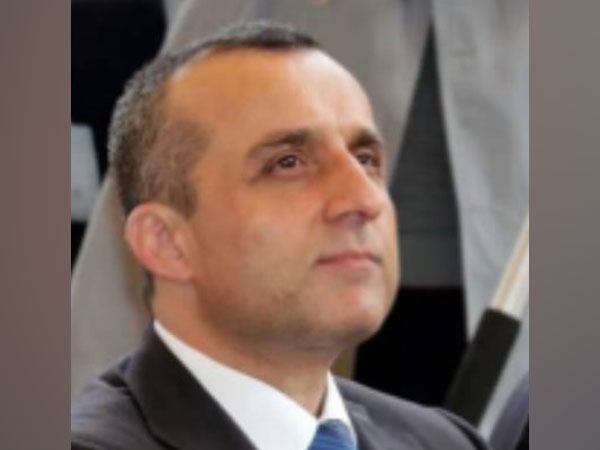
Afghanistan First Vice President Amrullah Saleh

Kabul [Afghanistan], March 16 (ANI): Afghan First Vice President, Amrullah Saleh on Sunday blamed Pakistan for setting up terrorist factories and agencies that provide explosives materials to the Taliban in order to create chaos in Afghanistan.
Saleh said, "Quetta Shur (Council) was nothing else but a title for the Pakistani military to implement their plans, " reported Afghanistan Times.
"Proved the Taliban and Pakistan's claims inaccurate regarding their involvement in the string of targeted-killings," he said.
He also asserted that Taliban commanders abused the money collected from the people for their personal expenses, Saleh said, adding that the insurgents didn't have public services. He said that there are some public services in the areas under the terrorists' control that also belong to the government organisation, reported Afghanistan Times.
Since the discovery of factories and agencies that provide explosives materials to the Taliban, "The world understands that the Taliban status has not been changed for the negotiations in Doha," he said.
Saleh cited the remarks at a time, while there are high hopes for ending the war in Afghanistan. The US administration presented President Ashraf Ghani with a new proposal to speed up the peace process that could lead to forging a peace deal, reported Afghanistan Times.
Pakistan has been long blamed for providing support to Taliban terrorists in Afghanistan. It is no secret that scores of top Afghan Taliban leaders are hidden in Pakistan.
In December, a series of videos surfaced showing senior Taliban leaders meeting their followers and Taliban fighters in Pakistan.
In the videos, Taliban deputy leader Mullah Abdul Ghani Baradar, the head of the Taliban political office, was seen holding a briefing with the Taliban cadre on the Afghanistan peace negotiations and acknowledging the presence of the Taliban's top leadership in Pakistan. (ANI)


Get the App

What to Read Next

Europe

Blasphemy laws in Pakistan target religious minorities: GHRD

Blasphemy laws in Pakistan target religious minorities: GHRD

At the 61st session of the United Nations Human Rights Council, the organisation Global Human Rights Defence (GHRD) raised concerns over the continued misuse of blasphemy laws in Pakistan and their impact on religious minorities.

Read More
Asia

MEA rejects Pakistan’s statement on India-Canada deal

MEA rejects Pakistan’s statement on India-Canada deal

"We reject this statement made by Pakistan on the matter. India's credentials regarding non-proliferation are impeccable and well recognised by the global community. A country with a well-documented history of clandestine nuclear proliferation can hardly preach the virtues of export controls and proliferation risks. Such ludicrous statements are nothing more than an attempt by Pakistan to distract from its own abysmal record," he said.

Read More
Asia

India rejects Pakistan's "baseless allegations"

India rejects Pakistan's

India on Thursday rejected Pakistan's allegations of aggravating skirmishes with Afghanistan, calling them "baseless" and accusing Pakistan of blaming others for its own misdeeds.

Read More
Asia

Policy delays leave Pakistan short of critical medicines

Policy delays leave Pakistan short of critical medicines

Pakistan faces a severe shortage of life-saving medicines, including cancer drugs and vaccines, due to government delays in notifying official prices. While global supply remains stable, regulatory hurdles have stalled legal imports, raising concerns over patient survival and the potential rise of unregulated, counterfeit medicines.

Read More
Asia

Pakistan’s outdated mandi system stifles agricultural innovation

Pakistan’s outdated mandi system stifles agricultural innovation

Pakistan's fruit and vegetable supply remains dominated by traditional middlemen and the "mandi" system, with digital platforms handling only 2-3% of trade. Restrictive provincial laws and lack of infrastructure force farmers into dependency on commission agents, stalling modern technological transformation in the agricultural sector.

Read More
Home About Us Our Products Advertise Contact Us Terms & Condition Privacy Policy

Copyright © aninews.in | All Rights Reserved.
