ADD ANI AS A TRUSTED SOURCE
googleads
Menu
Asia

Provincial govt in Pak's Punjab to block SIM cards of unvaccinated citizens

Punjab [Pakistan], June 11 (ANI): In an unconventional move to tackle vaccine hesitancy, the provincial government in Pakistan's Punjab has decided to block SIM cards of all those citizens who refuse to get themselves vaccinated against COVID-19.

ANI Jun 11, 2021 07:58 IST googleads

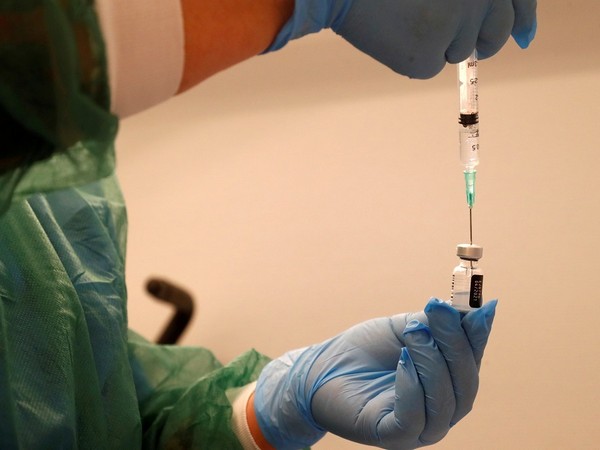
Representative image

Punjab [Pakistan], June 11 (ANI): In an unconventional move to tackle vaccine hesitancy, the provincial government in Pakistan's Punjab has decided to block SIM cards of all those citizens who refuse to get themselves vaccinated against COVID-19.
According to the ARY News, this decision was taken at a meeting presided over by Provincial health minister Dr Yasmin Rashid in Lahore on Thursday.
The provincial government has been using all resources to contain the spread of coronavirus in the province, said Dr Rashid. She added that there has been a considerable decrease in COVID-19 cases in Punjab because of the implementation of SOPs and mass vaccination.
According to the ARY News, a report compiled by the Punjab Primary Health department has reported that the province has failed to achieve its set target for COVID-19 vaccination.
As the Pakistan government continues to spread awareness about vaccination, around 300,000 recipients of the first dose never returned to receive the second dose of the vaccine.
According to data, around 300,000 people have failed to return to receive the second dose after receiving their first dose since the start of the vaccination drive on February 2, reported Dawn.
An official of the Ministry of National Health Services (NHS) said the second dose of the majority of the COVID-19 vaccines is administered after an interval of three weeks. However, in the case of the AstraZeneca vaccine, the second dose is given after a period of 12 weeks.
"Around 300,000 first dose recipients never showed up on their due dates," he said.
"We are categorising such people; there is a possibility that some of them might have died before getting their second dose. Another group which has been identified consists of those who contracted COVID-19 after receiving their first dose and then decided not to get the second one. Others might have fallen to the negative propaganda and skipped the vaccination," he added. (ANI)

Get the App

What to Read Next

Europe

Blasphemy laws in Pakistan target religious minorities: GHRD

Blasphemy laws in Pakistan target religious minorities: GHRD

At the 61st session of the United Nations Human Rights Council, the organisation Global Human Rights Defence (GHRD) raised concerns over the continued misuse of blasphemy laws in Pakistan and their impact on religious minorities.

Read More
Asia

MEA rejects Pakistan’s statement on India-Canada deal

MEA rejects Pakistan’s statement on India-Canada deal

"We reject this statement made by Pakistan on the matter. India's credentials regarding non-proliferation are impeccable and well recognised by the global community. A country with a well-documented history of clandestine nuclear proliferation can hardly preach the virtues of export controls and proliferation risks. Such ludicrous statements are nothing more than an attempt by Pakistan to distract from its own abysmal record," he said.

Read More
Asia

India rejects Pakistan's "baseless allegations"

India rejects Pakistan's

India on Thursday rejected Pakistan's allegations of aggravating skirmishes with Afghanistan, calling them "baseless" and accusing Pakistan of blaming others for its own misdeeds.

Read More
Asia

Policy delays leave Pakistan short of critical medicines

Policy delays leave Pakistan short of critical medicines

Pakistan faces a severe shortage of life-saving medicines, including cancer drugs and vaccines, due to government delays in notifying official prices. While global supply remains stable, regulatory hurdles have stalled legal imports, raising concerns over patient survival and the potential rise of unregulated, counterfeit medicines.

Read More
Asia

Pakistan’s outdated mandi system stifles agricultural innovation

Pakistan’s outdated mandi system stifles agricultural innovation

Pakistan's fruit and vegetable supply remains dominated by traditional middlemen and the "mandi" system, with digital platforms handling only 2-3% of trade. Restrictive provincial laws and lack of infrastructure force farmers into dependency on commission agents, stalling modern technological transformation in the agricultural sector.

Read More
Home About Us Our Products Advertise Contact Us Terms & Condition Privacy Policy

Copyright © aninews.in | All Rights Reserved.