 हिंदी खबर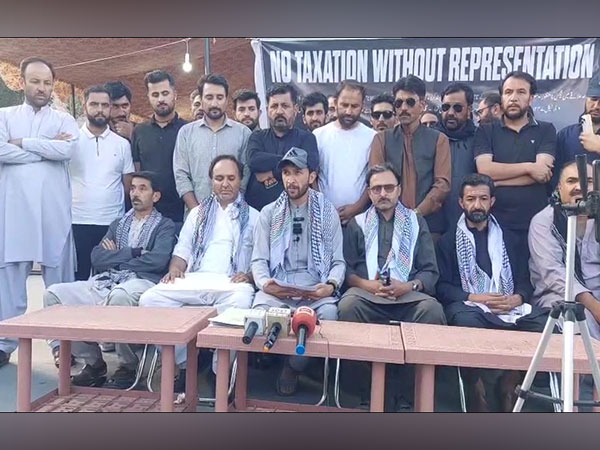

Gilgit [PoGB], August 20 (ANI): Pakistan-occupied Gilgit-Baltistan (PoGB) has seen extensive protests for the past 20 days, as merchants, business leaders, and residents continue their sit-ins and rallies against what they label as "illegitimate taxation" and years of exploitation by Islamabad.
During a press briefing, business leaders vehemently criticised the Federal Board of Revenue's (FBR) involvement in the occupied region, labelling it unconstitutional and illegitimate.
They cautioned the Pakistani government that if the FBR is not withdrawn, citizens will take it upon themselves to dismantle its offices, asserting that their demand is clear: put an end to exploitation, restore dignity, and acknowledge the long-ignored rights of the people of PoGB.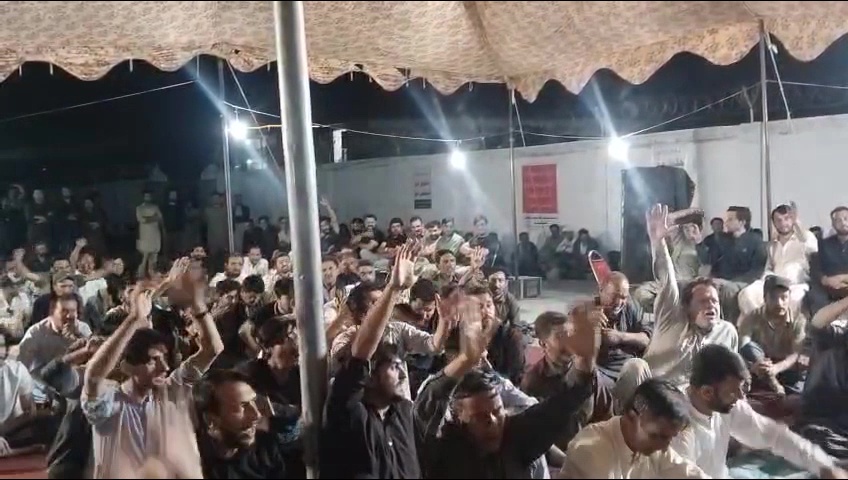
In their addresses, protesters emphasised that their fight was not solely about taxes but about seven decades of systemic injustice. They accused Pakistan of intentionally maintaining Gilgit-Baltistan's disputed status under the guise of UN resolutions, consequently denying its residents constitutional rights and protections while continuously exploiting its natural resources.
"Today marks the 20th day of the protests. The citizens and traders of Pakistan-occupied Gilgit-Baltistan have been stripped of their essential human and legal rights for the past seven decades," Sher Abbas, a local businessman, stated during his press conference.
He noted that despite numerous sacrifices made by the residents of PoGB across political, social, and economic arenas for Pakistan, neither the Supreme Court of Pakistan nor successive governments have recognised the region as an integral constitutional part of the country. Rather, according to Pakistan's laws, PoGB remains in a disputed state.
Protesters further contended that Pakistan's position contradicts its actions. On one hand, Islamabad refers to Gilgit-Baltistan as a disputed territory, while on the other, it imposes taxes via the FBR, a move residents deem both unjust and illegal. "The existence of the FBR in PoGB is without legal basis and must be terminated immediately," stated Sher Abbas.
He further expressed that the Pak-China Trade Union Action Committee, led by the PoGB Supreme Council, has rejected all taxes, including income and sales tax, levied by the FBR. Despite discussions with various stakeholders, the government has failed to meet the people's demands.
Criticising Islamabad's stance, Abbas warned, "Anyone who attempts to undermine this movement will be deemed a betrayer and a facilitator of PoGB. Such individuals will be overpowered by the strength of national unity. The imposition of the FBR is a betrayal of justice."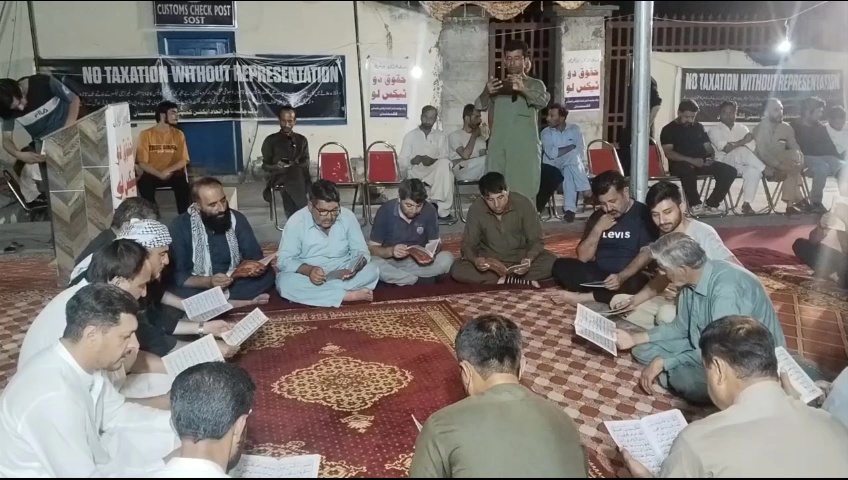
The protests, now entering their third week, have united an extraordinary coalition of business representatives, traders, and everyday citizens, all standing together under a shared banner of resistance. Demonstrators remain resolute in their commitment to persist in their agitation until Islamabad is compelled to respond.
The escalating unrest in PoGB highlights the profound frustration and anger felt by its residents, who accuse Pakistan of decades of neglect and exploitation. Protesters are not only calling for the withdrawal of the FBR but also for justice, dignity, and acknowledgement of their long-suppressed rights.
With no indication of backing down, the defiance shown in PoGB has emerged as one of the most potent expressions of local resistance in recent memory, raising significant concerns regarding Pakistan's policies in its occupied regions. (ANI)




