Plight of children in Pakistan: A dark reality of abuse in Madrassas
Over the past two decades, Pakistan has witnessed a troubling shift in social development approaches, with an increasing focus on sacralising development to appease Muslim sensibilities.
ANI
Apr 25, 2024 08:47 IST

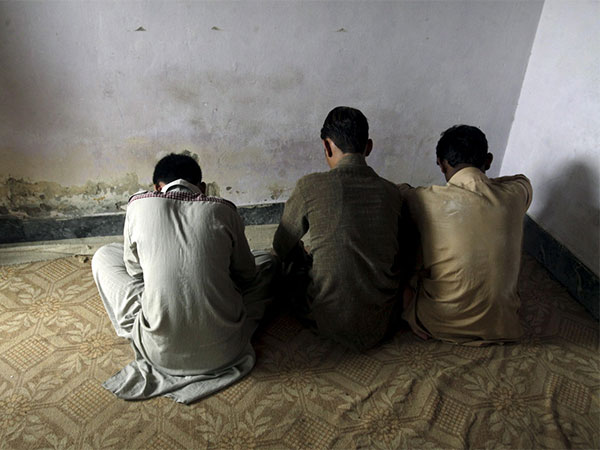
Islamabad [Pakistan], April 25 (ANI): Recent revelations of child sexual abuse by clerics and disturbing videos depicting the brutal punishment of madrassa students shed light on the grim realities lurking within Pakistan's religious institutions, Dawn reported.
However, these horrors are not unique to Pakistan; globally, totalitarian establishments, including seminaries, the Vatican, and various educational and religious organisations, have been implicated in systemic abuse.
Despite the gravity of these crimes, the influence wielded by clerical authorities in Pakistan often shields religious institutions from accountability, leaving whistleblowers, activists, and survivors to navigate a perilous path towards justice, as reported by Dawn.
Over the past two decades, Pakistan has witnessed a troubling shift in social development approaches, with an increasing focus on sacralising development to appease Muslim sensibilities. This trend has compounded existing challenges within Pakistan's colonial and Islamic legal framework, exacerbating the stigma surrounding gender and sexuality while elevating clerical authority above human rights advocacy.
Data collected by Sahil, an NGO dedicated to addressing child sexual abuse, reveals a disturbing trend: the majority of abusers are individuals known to the victims, such as acquaintances, neighbours, or even family members. Shockingly, religious teachers and clerics emerge as the primary perpetrators within institutional settings, surpassing even police officers, school teachers, or nuclear family members in the number of complaints filed against them, according to Dawn.
Primary data remains limited and organisations rely on media reports and police complaints but the trend over the past 20 years shows the gender divide of abused girls in madrassas is slightly higher than that of boys ('Cruel Numbers'). Meanwhile, cases like that of Qari Abubakar Muaviyah, accused of raping a 12-year-old boy, underscore the pervasive nature of abuse within these religious institutions.
Despite legal provisions mandating continued investigation and prosecution, survivors often face immense pressure to retract their statements, and the lack of accessible DNA forensics further impedes justice.
Institutional reform efforts within Pakistani madrassas have historically focused on curricula and funding rather than addressing issues of institutional accountability. This neglect has allowed cycles of abuse to persist unchecked, perpetuating a culture of impunity within religious circles.
The complicity of external actors further complicates the situation. Western-funded projects, purportedly aimed at fostering social change through faith-based approaches, have inadvertently empowered clerics as community gatekeepers. While these projects tout the value of religious leadership in social movements, they fail to acknowledge or address the rampant abuse occurring within religious institutions.
The partnership between donors and clerics has only served to reinforce the power dynamics that enable abuse to thrive. Clerical leaders, now emboldened as power brokers, exert pressure on victims to withdraw charges and facilitate out-of-court settlements, further eroding trust in the justice system, Dawn reported.
Despite some legislative progress, such as amendments to rape and honour crime laws, Pakistan's legal framework remains riddled with gender and religious biases. Family laws perpetuate inequalities, particularly regarding sexual maturity and underage marriage, while societal norms surrounding marriage and gender roles perpetuate the devaluation of girls and their vulnerability to exploitation.
The myth of the family as a safe haven perpetuates a culture of silence and private settlements in cases of sexual abuse, leading to lifelong trauma for survivors. Additionally, the misconception that biology drives sexual violence obscures the reality of power dynamics and perpetuates victim-blaming attitudes.
Feminist activists have been at the forefront of challenging these myths and advocating for survivors' rights. The Aurat March movement has provided a platform for survivors to share their experiences and demand accountability for perpetrators. However, entrenched attitudes within religious, judicial, and political circles continue to hinder progress, allowing perpetrators to evade justice, Dawn reported. (ANI)
Tags:
Get the App